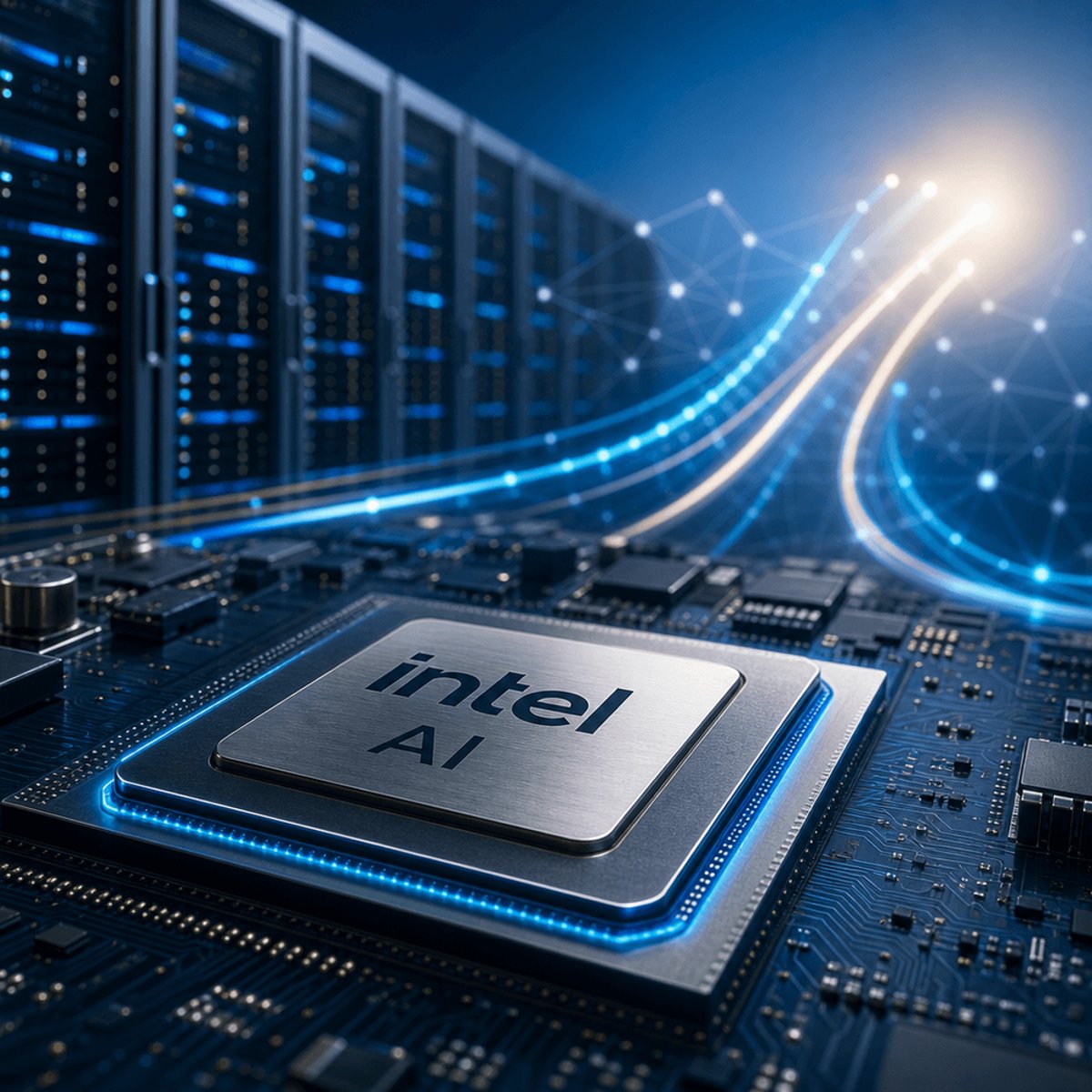
Intel just delivered its fastest revenue growth in nearly 15 years, and Wall Street is taking notice. The chipmaker's Q2 2026 earnings sent shares soaring 11% in after-hours trading Thursday, capping off a remarkable 170% year-to-date rally that signals the company's long-awaited AI turnaround is gaining real momentum. After years of watching rivals like Nvidia dominate the AI chip boom, Intel is finally proving it can compete in the data center arms race that's reshaping the semiconductor industry.
Intel is back in the game, and the numbers prove it. The company's Q2 2026 earnings report released Thursday afternoon triggered an 11% surge in after-hours trading, pushing shares to levels not seen since the company's pandemic-era highs. More importantly, the revenue growth rate marks Intel's strongest performance since 2011, when the PC boom was still in full swing.
The turnaround story writes itself in the stock chart. Despite what Intel characterized as a "recent slump" heading into earnings, shares have skyrocketed 170% in 2026 alone. That kind of performance puts Intel among the top performers in the S&P 500 this year, and it's happening because the company finally cracked the code on AI infrastructure chips that enterprise customers actually want to buy.
Wall Street analysts had been skeptical. Intel spent years struggling to keep pace with AMD in CPUs while Nvidia ran away with the AI accelerator market. The company's manufacturing delays became legendary, and its market cap fell to levels that sparked persistent takeover rumors. But CEO Pat Gelsinger's bet on retooling Intel's foundries and designing competitive AI chips is starting to pay off in a big way.
The data center segment is driving the resurgence. Enterprise customers building out AI infrastructure need more than just Nvidia's GPUs - they need the entire stack of processors, networking chips, and memory controllers that Intel has been selling for decades. As companies like Microsoft, Amazon, and Google expand their cloud AI offerings, Intel's positioned itself as the alternative supplier when Nvidia chips are backordered for months.
Investors are also betting on Intel's manufacturing ambitions. The company's pushing hard to catch up with Taiwan Semiconductor Manufacturing Company in process technology, and the U.S. government's pouring billions into domestic chip production through the CHIPS Act. Intel's Arizona and Ohio fab projects represent the kind of long-term infrastructure play that could reshape global semiconductor supply chains - if the company executes.
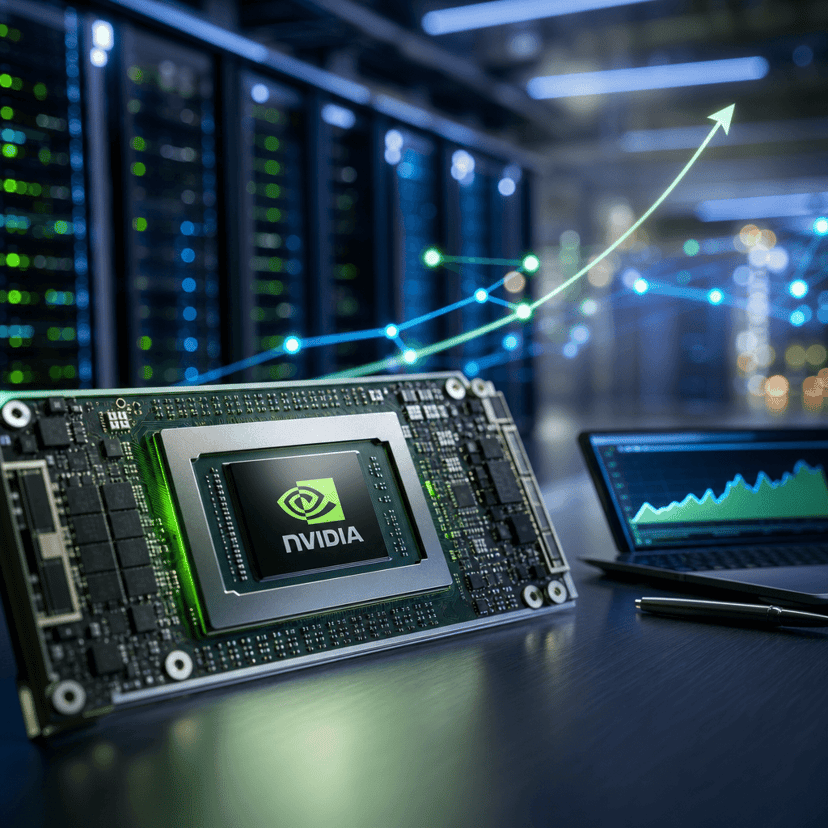
But the 170% gain this year doesn't mean smooth sailing ahead. Intel's still trading at a fraction of Nvidia's valuation, and for good reason. Nvidia's AI chips remain the gold standard for training large language models, while Intel's primarily selling inference chips and traditional server processors. The margin profiles are completely different, which is why some analysts remain cautious despite the strong quarter.
The recent stock pullback before earnings reflected those concerns. Investors took profits after the massive run-up, worried that Intel's valuation had gotten ahead of fundamentals. Thursday's results suggest those fears were overblown, at least for Q2. The question now is whether Intel can sustain this growth rate as competition intensifies and the AI infrastructure build-out matures.
Timing matters in the chip business, and Intel's catching a perfect wave. Enterprise AI spending is accelerating, not slowing down. Companies that delayed infrastructure investments during the economic uncertainty of 2024 and 2025 are now rushing to deploy AI capabilities before competitors gain insurmountable advantages. That's creating a multi-year upgrade cycle that benefits all the major chip suppliers, not just the market leaders.
The market's also rewarding execution. Intel's not just talking about AI chips anymore - it's shipping them in volume and winning design wins at major cloud providers. That credibility took years to rebuild after the stumbles of the late 2010s, and investors are finally willing to give management the benefit of the doubt.
What happens next depends on Intel's ability to maintain momentum through the second half of 2026. The company needs to prove this isn't a one-quarter wonder driven by inventory restocking or a temporary surge in orders. Sustainable growth means winning long-term contracts, ramping new manufacturing processes on schedule, and continuing to take share from competitors in both the data center and AI accelerator markets.
Intel's Q2 earnings represent more than just a strong quarter - they signal a legitimate comeback in the AI chip wars. The 11% after-hours pop and 170% year-to-date gain reflect investor confidence that Intel can compete in the infrastructure spending boom reshaping enterprise technology. But the chipmaker still faces serious competition from Nvidia's entrenched position in AI training and AMD's aggressive data center push. The real test comes in the next few quarters, when Intel needs to prove this revenue growth rate is sustainable and not just a temporary surge. For now, though, Intel's finally got momentum on its side, and in the semiconductor business, momentum can be worth billions in market cap.