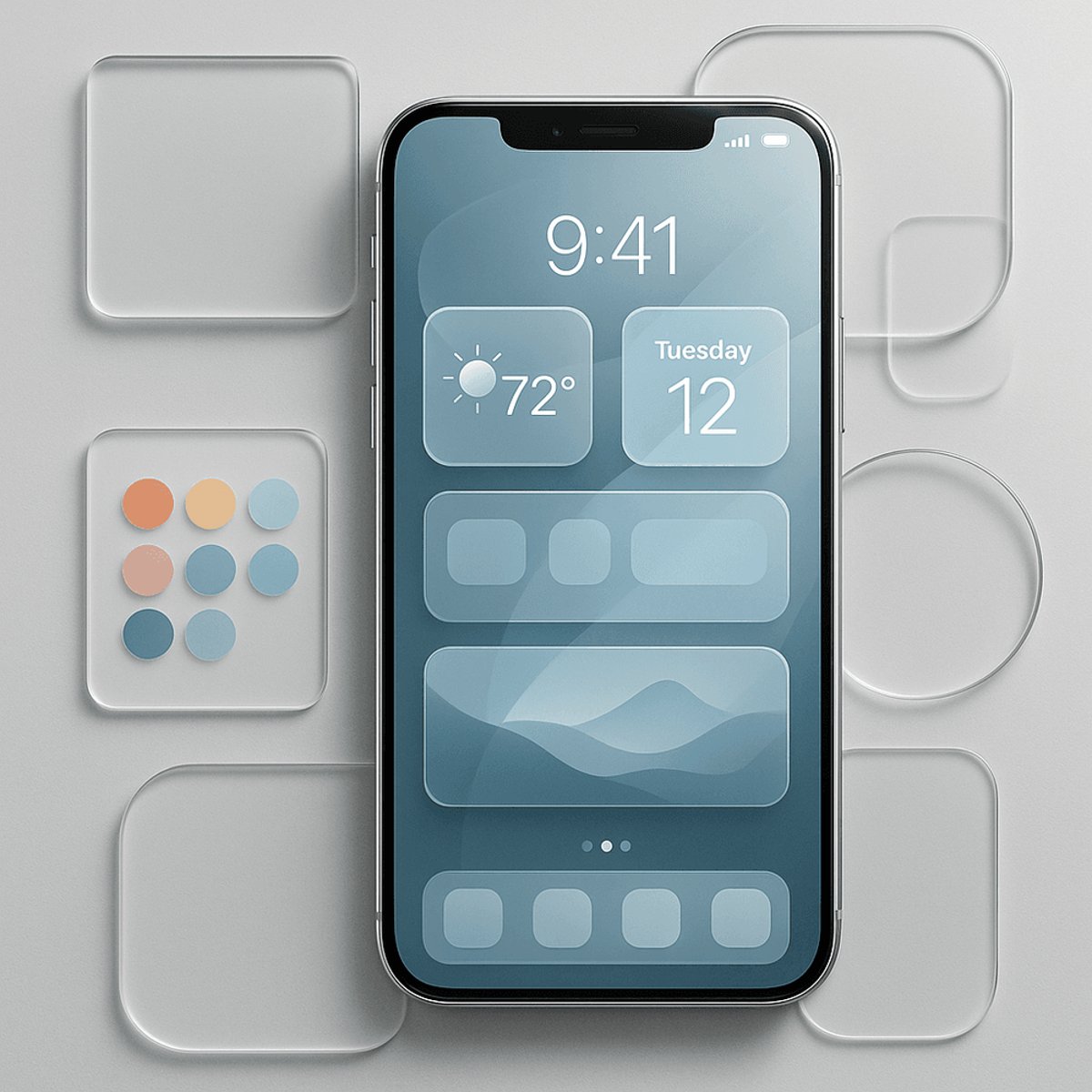
Apple just dropped its most significant interface overhaul since 2013 with iOS 26's Liquid Glass design language. The translucent, glass-like makeover transforms everything from icons to widgets, while new Spatial Scenes add 3D effects to Lock Screen photos. This isn't just eye candy - it's Apple preparing the iPhone for a future with smart glasses, and it opens up entirely new ways to customize your most personal device.
Apple's latest software update just changed the game for iPhone personalization. iOS 26's Liquid Glass design language represents the company's biggest interface shift since ditching skeuomorphic design in 2013, and early adopters are already discovering how dramatically it transforms their devices. The translucent, glass-like material now flows through buttons, sliders, notifications, and system experiences, creating a cohesive visual language that feels both futuristic and familiar. But this isn't just about aesthetics - Apple is clearly laying groundwork for its rumored smart glasses project, drawing inspiration from the Vision Pro's mixed-reality interface.
The most immediately noticeable change comes through icon customization, which has evolved far beyond iOS 18's basic color tinting. Users can now choose from light glass, dark glass, tinted glass, or completely clear icons that blend seamlessly with wallpapers. The tinting system received major improvements too - complaints about iOS 18's harsh color overlays have been addressed with more subtle effects and an eyedropper tool that samples exact colors from your wallpaper.
Apple even added "matched icons" functionality that automatically syncs icon colors to your iPhone's physical color or official MagSafe cases. iOS 26 reads your device's SKU to determine the exact model and color, then applies corresponding tints across your Home Screen. It's a small touch that creates surprising visual harmony between hardware and software.
Widget customization has exploded with third-party options taking advantage of the new glassy aesthetic. Apps like Widgetsmith, Brass, and Themify are seeing renewed interest as users rebuild their Home Screens around the Liquid Glass theme. Widgy has become particularly popular for custom widget creation, with designers selling "glass glossy" widget collections that seamlessly integrate with the new design language.
The Lock Screen received equally dramatic treatment through Spatial Scenes, which converts regular 2D photos into 3D wallpapers using computer vision and neural processing. Unlike similar features that require specific camera techniques, Spatial Scenes works with any photo - even older images or shots from other cameras. The glassy San Francisco typeface dynamically adjusts its weight and positioning based on the image and notifications, ensuring the time display never obscures important photo subjects.
This comprehensive design overhaul signals Apple's strategic preparation for future form factors. The Liquid Glass aesthetic directly mirrors interface elements from the Vision Pro, suggesting iOS will eventually need to run on transparent displays or AR glasses. Industry analysts have noted similarities between the new design system and mixed-reality interface patterns, reinforcing speculation about Apple's 2026 smart glasses timeline.
For users, the changes create unprecedented customization opportunities. The combination of clear icons, glassy widgets, spatial wallpapers, and matched device colors allows for cohesive themes that were impossible with previous iOS versions. Pinterest searches for "Liquid Glass wallpaper" have surged, while theming app downloads jumped significantly following iOS 26's release.
The technical implementation runs deeper than surface-level visual changes. Apple rebuilt fundamental interface elements to support transparency effects, dynamic color sampling, and real-time 3D processing. These aren't cosmetic tweaks - they're architectural changes that position iOS for future hardware innovations while delivering immediate benefits to current users.
iOS 26's Liquid Glass represents more than visual refresh - it's Apple's foundation for the next decade of interface design. While users enjoy immediate benefits through enhanced customization options, the real story is how these changes prepare iOS for future form factors including AR glasses. The seamless integration between hardware detection, neural processing, and interface transparency suggests Apple is building toward a unified design language that will work across traditional screens and mixed-reality environments. For iPhone users, that future starts now with the most customizable iOS experience ever created.