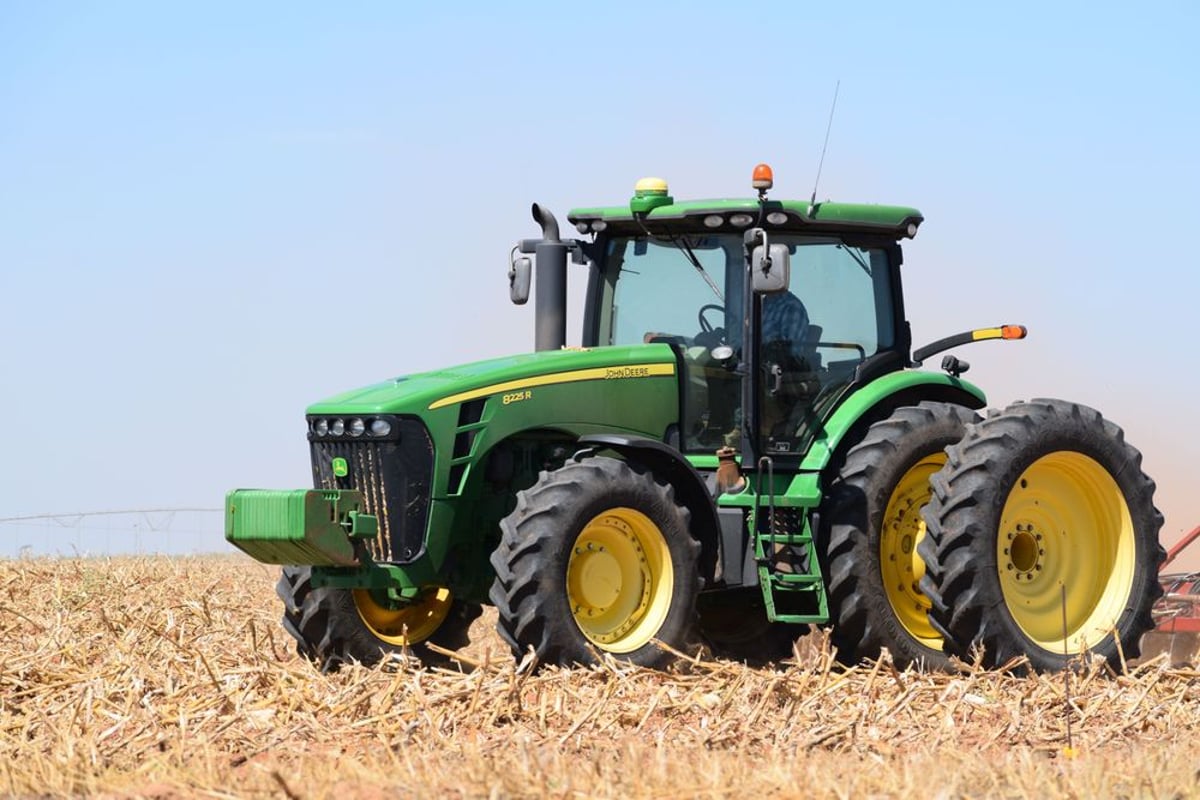
John Deere just handed farmers a major victory in the right-to-repair wars. The agricultural equipment maker agreed to pay $99 million and unlock repair tools for a decade to settle a class action lawsuit that accused it of blocking farmers and independent mechanics from fixing their own machinery. The deal, first reported by Reuters, marks one of the biggest wins yet for the grassroots movement pushing back against corporate repair monopolies.
John Deere is writing a $99 million check to make a problem go away, but the real story is what farmers are getting in return. The agricultural giant agreed to settle a class action lawsuit that accused it of locking farmers out of repairing their own equipment, a practice that's turned into a flashpoint in the broader right-to-repair movement sweeping across industries from smartphones to tractors.
The proposed settlement, announced this week, goes beyond just cash. John Deere committed to making repair resources available for 10 years on a license or subscription basis, a significant concession for a company that's fought tooth and nail to maintain control over who can fix its machines. For farmers who've spent years driving hours to authorized dealers for simple software fixes, this changes everything.
Here's where it gets interesting. By the end of 2026, John Deere will enable equipment owners and independent repair shops to reprogram and run diagnostics on machinery while offline. That technical detail matters more than it sounds. Right now, many repairs require connecting to John Deere's servers, effectively giving the company veto power over who can fix what. Offline mode breaks that chokehold.
The lawsuit painted a picture of farmers trapped in a system designed to funnel repair dollars back to John Deere's authorized network. Tractors and combines, which can cost upwards of $500,000, increasingly rely on proprietary software that only dealer technicians could access. A blown sensor during harvest season could mean days of lost productivity waiting for an authorized repair, potentially costing farmers tens of thousands in missed revenue during critical windows.
According to Reuters, the settlement allows equipment owners to "avoid going to authorized Deere dealers for repairs." That's diplomatic language for what farmers have been saying more bluntly for years: the system was rigged.
This case echoes battles playing out across the tech landscape. Apple faced similar pressure over iPhone repairs before launching its self-service program. Automakers are fighting state-level right-to-repair laws. Even medical device manufacturers have come under fire for restricting hospital technicians from servicing equipment. John Deere's settlement could set a precedent that ripples far beyond agriculture.
The 10-year commitment is particularly notable. Most corporate settlements focus on immediate financial relief without changing underlying practices. By contrast, John Deere is agreeing to fundamentally alter how it manages repair access for the next decade, a timeline that covers multiple equipment generations and technological shifts.
There's a catch, though. The repair resources come "on a license or subscription basis," language that suggests farmers and repair shops will still need to pay for access. The settlement documents don't specify pricing, leaving open questions about whether John Deere will use subscription fees to recoup some of what it's losing in dealer service revenue.
The $99 million fund will compensate farmers who bought or leased John Deere equipment and faced repair restrictions. Individual payouts will depend on how many eligible farmers file claims, a process that typically takes months to sort out once courts grant final approval.
Right-to-repair advocates are calling this a watershed moment. For years, they've argued that manufacturers use software locks and proprietary tools to create repair monopolies that drive up costs and reduce equipment lifespan. John Deere's settlement validates those claims in a very public, very expensive way.
What happens next depends partly on court approval, which isn't guaranteed but seems likely given the scope of the settlement. More broadly, other manufacturers are watching closely. If John Deere can survive opening up its repair ecosystem, it gets harder for competitors to justify keeping theirs locked down.
The timing matters too. Multiple states are considering right-to-repair legislation, and federal regulators have shown growing interest in the issue. A major settlement like this one could accelerate legislative efforts by proving that manufacturers can provide repair access without catastrophic business consequences.
John Deere's $99 million settlement marks a turning point in the fight over who controls repair in an increasingly software-defined world. Farmers gain a decade of guaranteed access to the tools they need to fix their own equipment, breaking a repair monopoly that's existed for years. But the real impact extends beyond agriculture. This deal proves that right-to-repair isn't just a consumer rallying cry anymore - it's becoming a legal and financial liability for companies that restrict access. Other manufacturers across tech, automotive, and industrial sectors now face a choice: open up repair access voluntarily or wait for lawsuits and legislation to force the issue. For farmers heading into planting season, the message is simpler: help is finally coming, even if it took a class action lawsuit to get there.