Google just brought back the notification light - with a twist. The company's upcoming Pixel 11 Pro introduces HiLight, a feature that gently glows through the phone's back panel when placed face-down, marking a surprising return to a feature most Android makers abandoned years ago. It's a small hardware addition that signals Google's renewed focus on thoughtful design details as it battles Apple and Samsung for premium smartphone dominance.
Google is betting that sometimes the old ways work best. The company just announced HiLight, a new notification feature for the Pixel 11 Pro that resurrects a concept Android enthusiasts thought was dead and buried - the notification light.
But this isn't your old Nexus 5's blinking LED. According to Google's announcement, HiLight creates a gentle glow that shines through the phone's back panel when it's placed face-down on a desk or table. The feature keeps users informed of incoming notifications without the constant screen wake-ups that drain battery and demand attention.
The move marks a fascinating reversal in smartphone design philosophy. Most Android manufacturers ditched notification LEDs around 2018 as always-on displays became standard and screen real estate grew more precious. Samsung removed the feature from its Galaxy S series. OnePlus killed its beloved customizable notification slider. The industry consensus was clear - ambient displays had won.
Google apparently disagrees. The Pixel 11 Pro's HiLight system suggests the company sees an opening for what it's calling "timely updates" that don't require picking up your phone or even looking at the screen. In an era where digital wellness and screen time reduction have become selling points, a subtle back-panel glow starts to make sense.
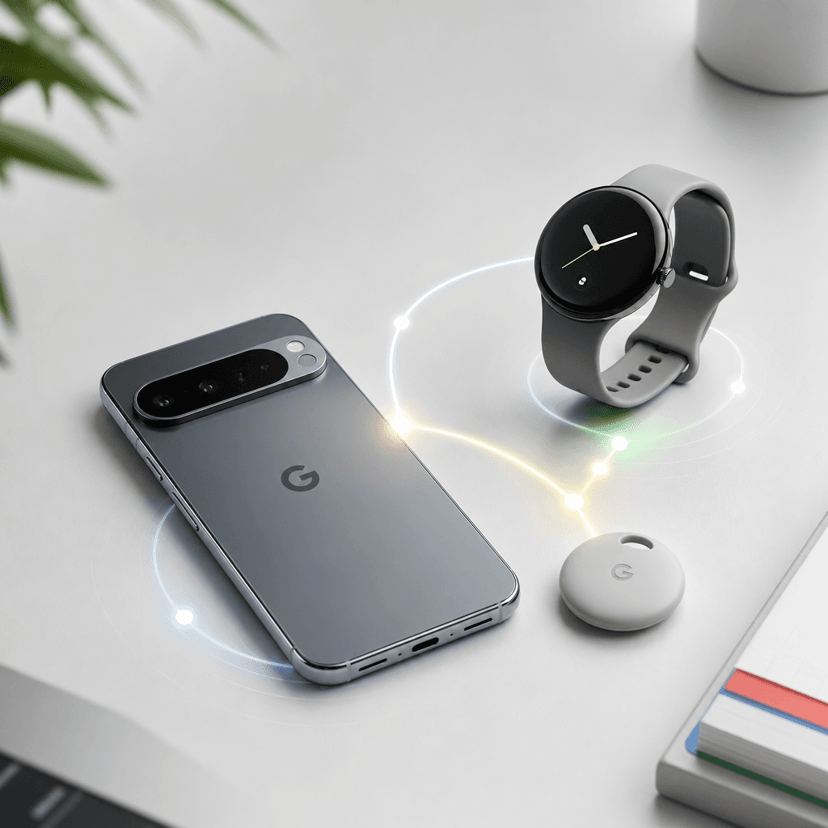
The technical implementation remains somewhat mysterious. Google's brief announcement doesn't specify whether HiLight uses dedicated LEDs, edge lighting similar to Samsung's older Edge Display features, or some integration with the Pixel's camera module. The teaser image shows a soft, diffused glow rather than a pinpoint light, suggesting either multiple light sources or clever use of the phone's internal components.
Timing matters here. This announcement arrives as Google ramps up its hardware ambitions following stronger-than-expected Pixel 10 sales earlier this year. The company's been slowly building market share in the premium segment, though it still trails far behind Apple's iPhone and Samsung's Galaxy S series in both volume and mindshare.
HiLight fits into a broader pattern of Google using software-hardware integration to differentiate Pixel devices. Features like Magic Eraser, Call Screen, and Now Playing have given Pixel phones unique selling points beyond raw specs. A notification system that works when your phone is face-down extends that philosophy into the physical design realm.
The feature also signals Google's confidence in the Pixel 11 Pro's industrial design. You don't add a glowing back panel unless you're certain the phone will spend significant time face-down on surfaces - which means Google expects the front design and materials to be durable enough that users won't worry about scratching their screens.
Competitive dynamics make this particularly interesting. Apple has stuck with its relatively basic notification system, relying on haptics and sound rather than visual indicators when the iPhone is face-down. Samsung experimented with edge lighting but has largely moved away from ambient notification systems. Google's betting there's still demand for this kind of passive awareness.
The announcement's brevity is notable too. Google dropped this news without the usual fanfare of a Made by Google event, suggesting HiLight might be just one of many features the company plans to unveil as the Pixel 11 Pro launch approaches. Industry watchers expect a fall 2026 release window, putting it on a collision course with Apple's iPhone 18 lineup and Samsung's Galaxy S27 series.
For developers, HiLight could open new notification customization possibilities if Google exposes APIs for controlling the glow patterns, colors, or intensity. The company hasn't announced developer tools yet, but the potential exists for apps to create distinctive notification signatures through the back-panel lighting.
The feature name itself - HiLight rather than something more Pixel-branded - hints at possible expansion beyond the 11 Pro. Google might be testing the waters with its flagship before bringing the technology to more affordable Pixel models, similar to how it introduced computational photography features on high-end devices before cascading them down the lineup.
HiLight won't reinvent smartphones, but it reveals something important about Google's hardware strategy - the company isn't afraid to zig when competitors zag. By reviving a forgotten feature with modern implementation, Google's making a bet that subtle, passive notifications still matter in 2026. Whether users agree will become clear when the Pixel 11 Pro ships this fall, but the move shows Google continues to explore the space between always-on connectivity and digital wellness. For a company that's spent years chasing Apple and Samsung in premium hardware, differentiation through thoughtful details like HiLight might be exactly the strategy that moves the needle.