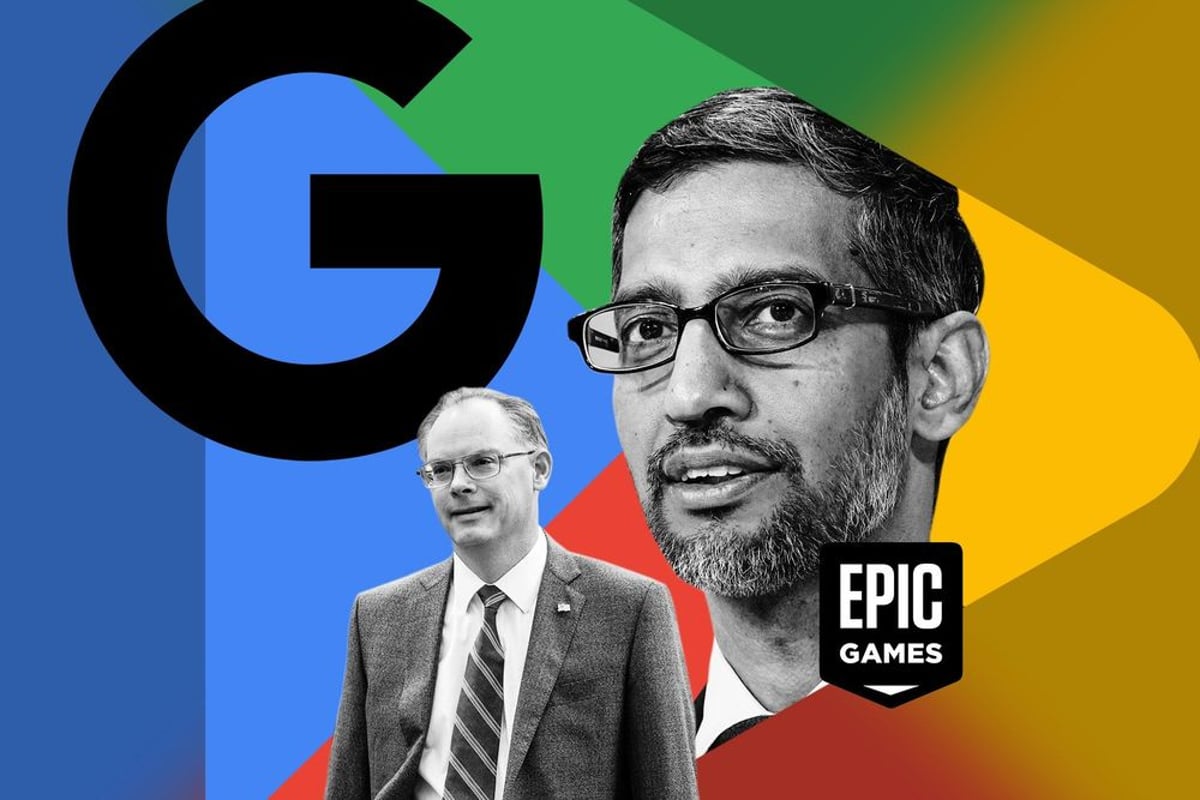
The Epic-Google courtroom saga isn't over yet. Just one month after the companies appeared to settle their differences, Judge James Donato hauled them back into a San Francisco courtroom today and delivered a sharp message to Google: your plan to open up Android app distribution doesn't go far enough. 'That is not acceptable,' Donato told Google's legal team, ordering the tech giant to make it significantly easier for users to install rival app stores on Android devices.
Google thought it had found a way to comply with antitrust orders without really changing much. Judge Donato just made it clear that won't fly.
In today's hearing, the federal judge overseeing the Epic Games antitrust case against Google rejected the company's proposed implementation plan for opening up Android app distribution. Nearly three years after a jury unanimously found that Google operated an illegal monopoly over Android apps, the search giant is still fighting over exactly how much access it has to give competitors.
The core issue is straightforward but consequential. Judge Donato previously ordered Google to carry rival Android app stores directly inside its own Google Play Store and provide those competitors with complete access to its massive app catalog. That's a radical shift from the current Android ecosystem, where installing alternative app stores requires users to navigate through multiple warning screens and security prompts that Google claims protect users but critics say simply protect Google's dominance.
Google's proposed solution apparently didn't go far enough for Donato. According to The Verge's reporting from the courtroom, the judge made his dissatisfaction clear with pointed language. The company will now need to revise its plans to truly make rival app store installation as frictionless as Google Play itself.
The stakes extend far beyond just Epic's Fortnite. Amazon has long operated its own Android app store with limited success, hampered by the difficulty of getting users to install it. Smaller players like Samsung's Galaxy Store have struggled to gain traction against Google Play's built-in advantages. If Donato's order stands, it could fundamentally reshape the economics of mobile app distribution on the world's most popular operating system.
Google has consistently argued that its app store policies exist primarily for security reasons, not competitive advantage. The company points to the risk of malware and fraudulent apps that plague less-curated ecosystems. But the jury in the Epic trial wasn't convinced, finding that Google used anti-competitive tactics including revenue-sharing deals with device makers and developers to maintain its grip on Android app distribution.
The timing of today's hearing is particularly notable. Just one month ago, Epic and Google appeared to be moving past their legal battle, with both companies withdrawing certain injunction requests. That apparent détente has now evaporated, replaced by continued judicial oversight of exactly how Google will comply with the antitrust verdict.
The broader tech industry is watching closely. Apple faces similar pressure in Europe under the Digital Markets Act to open up iOS to alternative app stores, though it's taken a minimalist approach that's drawn criticism from regulators and developers alike. How much friction Google is ultimately forced to remove from the rival app store installation process could set precedents that ripple across the mobile ecosystem.
For developers, the implications are massive. Google's Play Store takes a 15-30% cut of most transactions, a toll that Epic's CEO Tim Sweeney has called exploitative. If competing app stores can actually gain meaningful market share on Android, it could trigger a race to offer developers better economics, potentially saving them billions in fees annually.
Google can still appeal Donato's orders, and the company has already indicated it plans to challenge the injunction at higher court levels. But for now, the judge's message is unmistakable: superficial compliance won't cut it. Google needs to truly open Android to competition, not just create the appearance of doing so while maintaining its dominance through design choices and user experience friction.
What happens next depends on what Google proposes in its revised implementation plan. The company faces a delicate balancing act - open things up enough to satisfy Donato while preserving whatever competitive advantages it legally can. Given today's reception, that's going to be harder than Google hoped.
This courtroom showdown represents more than just another chapter in Epic versus Google. It's a test case for whether antitrust enforcement can actually reshape how tech giants operate, not just slap them with fines. Judge Donato is clearly unwilling to let Google engineer a cosmetic solution that preserves its monopoly behind a veneer of openness. For the billions of Android users worldwide, what happens in that San Francisco courtroom over the coming months could determine whether they'll genuinely have choices about where to download apps, or whether Google Play's dominance continues under a slightly different facade. The answer will reverberate across the entire mobile economy.