Lenovo and NVIDIA at CES 2026: The AI Device Stack Comes Together
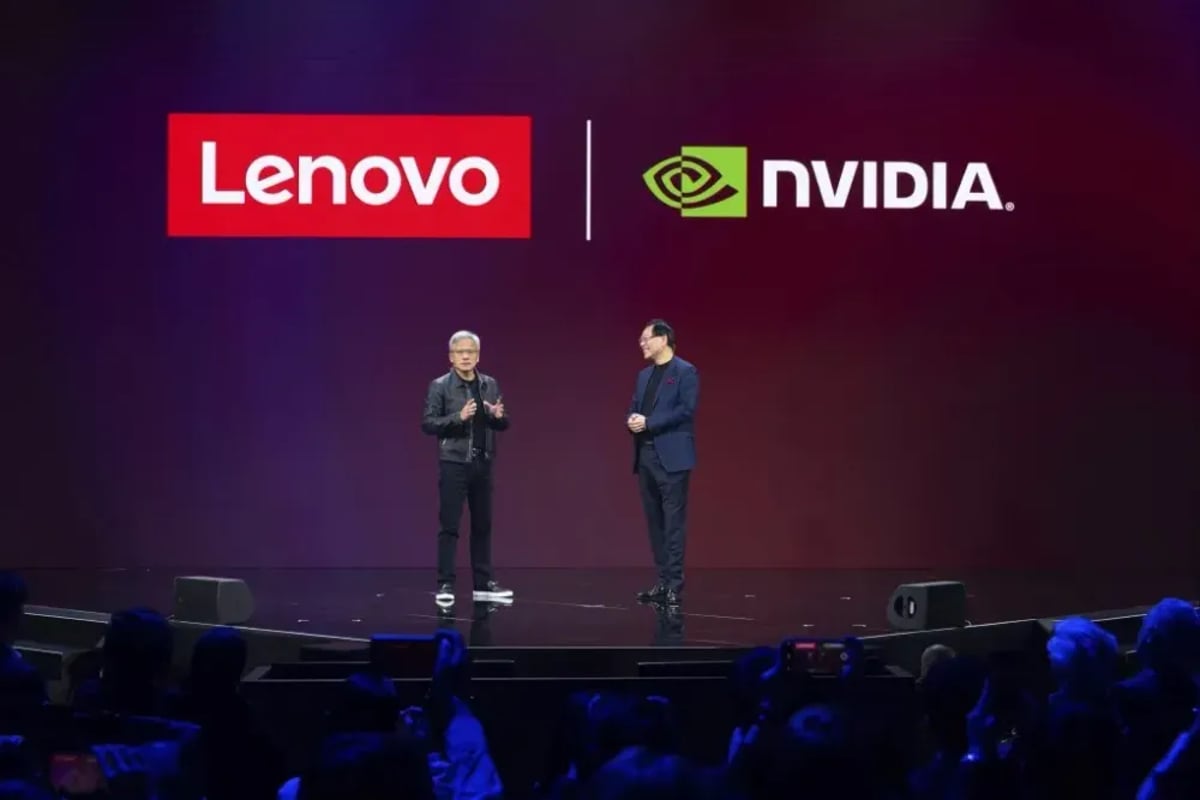
At CES 2026, Lenovo and NVIDIA laid out a shared vision for AI-native devices that operate locally, persist across form factors, and coordinate intelligence between hardware layers. The announcements centered on Lenovo Qira, AI PCs powered by NVIDIA, and a broader expansion of Lenovo’s device ecosystem.
That ecosystem expansion included major launches from Motorola, built in close partnership with Qualcomm.
Qira as the Intelligence Layer
Lenovo Qira anchors the strategy as a personal ambient intelligence system spanning phones, PCs, tablets, and wearables. Qira performs real tasks across apps and devices, including file transfers that work online and offline. Its hybrid architecture emphasizes on-device AI, with secure cloud execution used only when required.
This design depends on local compute. NVIDIA-powered AI PCs provide the performance needed for real-time reasoning, vision, and agentic workflows without constant cloud access.
Motorola Expands the Device Lineup
Alongside Qira, Lenovo and Motorola announced several new consumer devices at CES 2026:
-
A new Motorola foldable phone, expanding the Razr line with updated hardware and deeper AI integration
-
A new Motorola signature flagship phone, designed as a primary AI-first handset within the Lenovo–Motorola ecosystem
-
A new Motorola wearable, built to operate alongside phones and PCs as part of a shared intelligence layer
These devices are developed in partnership with Qualcomm, using its latest Snapdragon platforms to support on-device AI processing, efficient power use, and always-on intelligence.
Project Maxwell and Wearable AI
Motorola also demonstrated Project Maxwell, an AI pin powered by Motorola Qira. The device includes a camera for visual context and executes tasks end to end through voice commands. Workflows such as ordering rides or sending messages run locally, with users able to view the reasoning steps behind each action.
Project Maxwell shows how the same AI layer can extend from PCs and phones into lightweight wearables.
Why the Partnership Matters
The Lenovo–NVIDIA partnership focuses on making AI a device capability, not a standalone app. Qualcomm’s role in Motorola’s phones and wearables completes the stack, enabling AI to run efficiently across form factors.
Together, Lenovo, NVIDIA, Motorola, and Qualcomm are shaping a model where personal devices share context, run AI locally, and coordinate actions across screens and sensors. At CES 2026, that model moved from concept to shipping hardware.