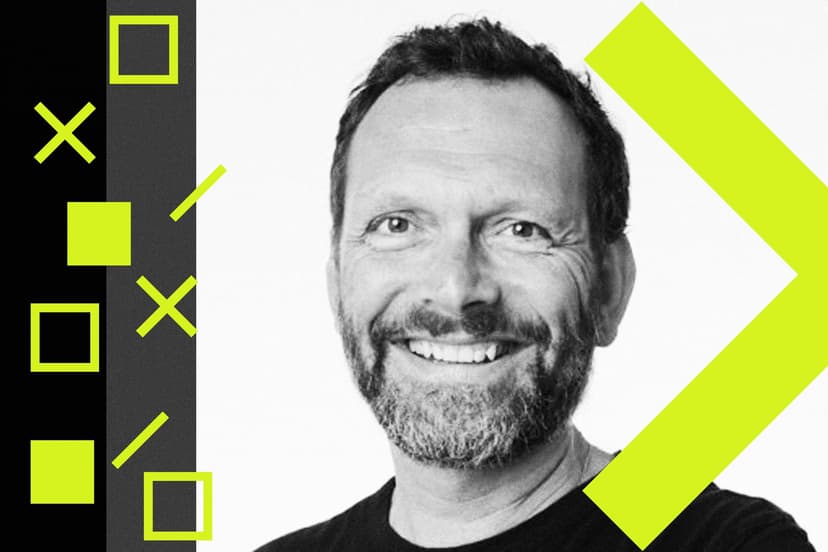
Microsoft is shaking up leadership at LinkedIn, installing longtime executive Daniel Shapero as the professional network's new CEO. The move comes as former CEO Ryan Roslansky, who's led LinkedIn since 2020, takes on expanded responsibilities within the Microsoft ecosystem. The transition signals a potential strategic shift for the platform as it navigates an increasingly AI-driven professional landscape and mounting competition from emerging networking platforms.
Microsoft just handed the keys to LinkedIn to one of its own. Daniel Shapero, a veteran executive who's been with the professional networking platform for over 15 years, is taking over as CEO according to CNBC. The announcement marks a significant leadership transition for the platform that's become central to Microsoft's enterprise and productivity strategy since the $26.2 billion acquisition back in 2016.
Ryan Roslansky, who's been steering LinkedIn since June 2020, isn't going anywhere - he's moving up. Shapero will report directly to Roslansky, who's now taking on what Microsoft describes as "added responsibility" within the broader organization. The dual-leadership structure is unusual but not unprecedented for Microsoft, which has increasingly given its subsidiary leaders room to operate while maintaining strategic oversight.
The timing is telling. LinkedIn has been racing to embed AI capabilities across its platform, from recruiter tools to content recommendations and learning pathways. The company recently rolled out AI-powered job matching features and coaching tools, betting that generative AI will transform how professionals network and find opportunities. Shapero's promotion suggests Microsoft wants someone with deep institutional knowledge to navigate this transformation while Roslansky tackles broader strategic initiatives.
Shapero's LinkedIn tenure spans nearly the entire modern era of the platform. He's held leadership roles across product, engineering, and business operations, giving him a rare 360-degree view of how the network functions. Most recently, he's been overseeing core product experiences and growth initiatives. Industry insiders say his operational chops and product instincts made him the natural internal successor as LinkedIn enters its next phase.
But the leadership shuffle comes at a complex moment for LinkedIn. The platform crossed 1 billion members globally, yet engagement metrics tell a more nuanced story. Younger professionals are increasingly splitting their time between LinkedIn and newer platforms, while AI-powered recruiting tools from startups are chipping away at LinkedIn's talent solutions dominance. The company's challenge is maintaining its professional network moat while evolving fast enough to stay relevant.
Roslansky's expanded role likely means he'll be working more closely with Microsoft's core businesses - think deeper integration with Microsoft Teams, Office 365, and the company's enterprise AI initiatives. LinkedIn data and identity already power parts of Microsoft's sales and marketing tools, and that integration is only getting tighter as both companies lean into AI assistants and copilots.
For Microsoft, LinkedIn remains a crown jewel. The platform generated over $15 billion in revenue in fiscal 2023, growing faster than many of Microsoft's legacy businesses. It's also a strategic asset - professional identity data that feeds Microsoft's enterprise ecosystem and provides a consumer touchpoint the company otherwise lacks. Keeping LinkedIn innovative and growing is critical to Microsoft's broader strategy.
What's less clear is how this leadership transition affects LinkedIn's product roadmap. Will Shapero accelerate the AI push? Double down on creator tools and content? Expand into new professional services? The company has been testing everything from event platforms to freelance marketplaces, but focus has sometimes felt scattered. A new CEO often means renewed strategic clarity - or at least a shift in priorities.
The move also raises questions about Roslansky's future trajectory within Microsoft. Expanded responsibilities for a subsidiary CEO often precedes a jump to the parent company's senior leadership. With Microsoft navigating major transitions around AI, cloud growth, and regulatory scrutiny, having leaders with both consumer and enterprise experience becomes increasingly valuable. Roslansky's track record scaling LinkedIn through the pandemic could make him a candidate for broader roles.
For now, the message is continuity with evolution. Shapero represents institutional knowledge and product expertise, while Roslansky's oversight ensures strategic alignment with Microsoft's bigger bets. It's the kind of careful succession planning that mature tech companies deploy when they want change without chaos.
LinkedIn's leadership transition puts a company veteran in the driver's seat just as the platform faces its biggest strategic inflection point in years. With AI reshaping how professionals network, learn, and find opportunities, Shapero inherits both enormous potential and real competitive threats. His success will depend on maintaining LinkedIn's professional network advantage while moving fast enough to stay ahead of nimbler competitors and shifting user behaviors. For Microsoft, the stakes are equally high - LinkedIn isn't just a revenue generator, it's a strategic pillar of the company's enterprise and AI ambitions. How Shapero navigates the next chapter will reveal whether LinkedIn can evolve from professional network to indispensable AI-powered career platform.