Microsoft just threw down a $30 billion gauntlet in the UK, announcing the country's largest AI infrastructure investment that dwarfs Google's $6.8 billion commitment made hours earlier. The four-year deal includes building Britain's most powerful supercomputer with 23,000 GPUs, marking a dramatic turnaround from Microsoft's bitter regulatory fights just two years ago.
Microsoft just made the boldest AI infrastructure bet in UK history, committing £22 billion ($30 billion) over four years to build what will become the country's largest supercomputer. The announcement comes just hours after Google revealed its own £5 billion ($6.8 billion) UK investment, setting up a direct battle for AI supremacy in Britain.
"This will account for more than two-thirds of the tech sector's total investment announcements in the UK that are being made this week," Microsoft vice chair Brad Smith told reporters during an exclusive press briefing with The Verge. "We're focused on British pounds, not empty tech promises, because it's easy to have big numbers, but we'll be good for every cent of this investment."
The not-so-subtle dig at Google's earlier announcement reveals just how competitive this AI infrastructure race has become. Smith's $30 billion commitment represents a "very substantial increase" over Microsoft's previous 2023 UK investment, though the company hasn't disclosed that earlier figure.
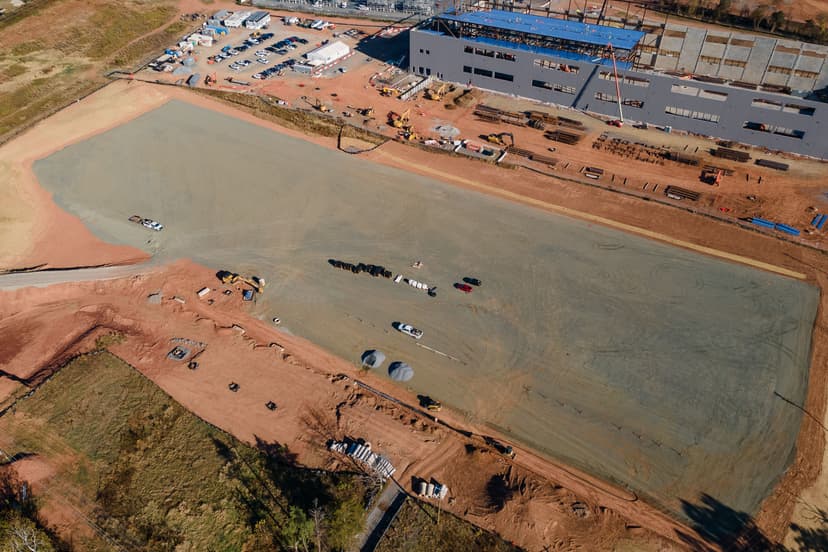
[embedded image: Microsoft's planned UK supercomputer visualization]
The centerpiece of Microsoft's investment is a partnership with Nscale to build Britain's most powerful AI supercomputer, equipped with more than 23,000 advanced GPUs. "We're not just investing in the UK, we're investing with partners in the UK," Smith emphasized, highlighting the collaborative approach that includes expanding existing data centers alongside the new supercomputer facility.
This announcement represents a stunning reversal from Microsoft's rocky relationship with UK regulators. Just two years ago, Smith openly criticized the Competition and Markets Authority during Microsoft's $69 billion Activision Blizzard acquisition, saying his confidence in the UK had been "severely shaken." He even declared that "the European Union is a more attractive place to start a business" than Britain.
But Smith's tone has completely shifted. He now praises both former Prime Minister Rishi Sunak's and current PM Keir Starmer's governments, crediting regulatory reforms for enabling such massive investments. "Our ability to make an investment of this size is based in no small measure on the work the government is doing to reform planning, grow electricity capacity, and foster a more stable and open regulatory environment," Smith said.
The timing couldn't be more strategic. Microsoft's announcement coincides with President Trump's second UK state visit, though Smith insists the investment wasn't requested by the Trump administration. Still, the optics clearly signal strengthened US-UK tech cooperation, with Prime Minister Starmer calling it "a powerful vote of confidence in UK's leadership in AI and cutting-edge technology."
[video iframe: Microsoft's UK investment announcement with Brad Smith]
Meanwhile, Google is opening a new data center in Waltham Cross, Hertfordshire, which Chancellor Rachel Reeves described as its own "powerful vote of confidence in the UK economy." But Microsoft's 4.4x larger commitment clearly won the headlines and political endorsements.
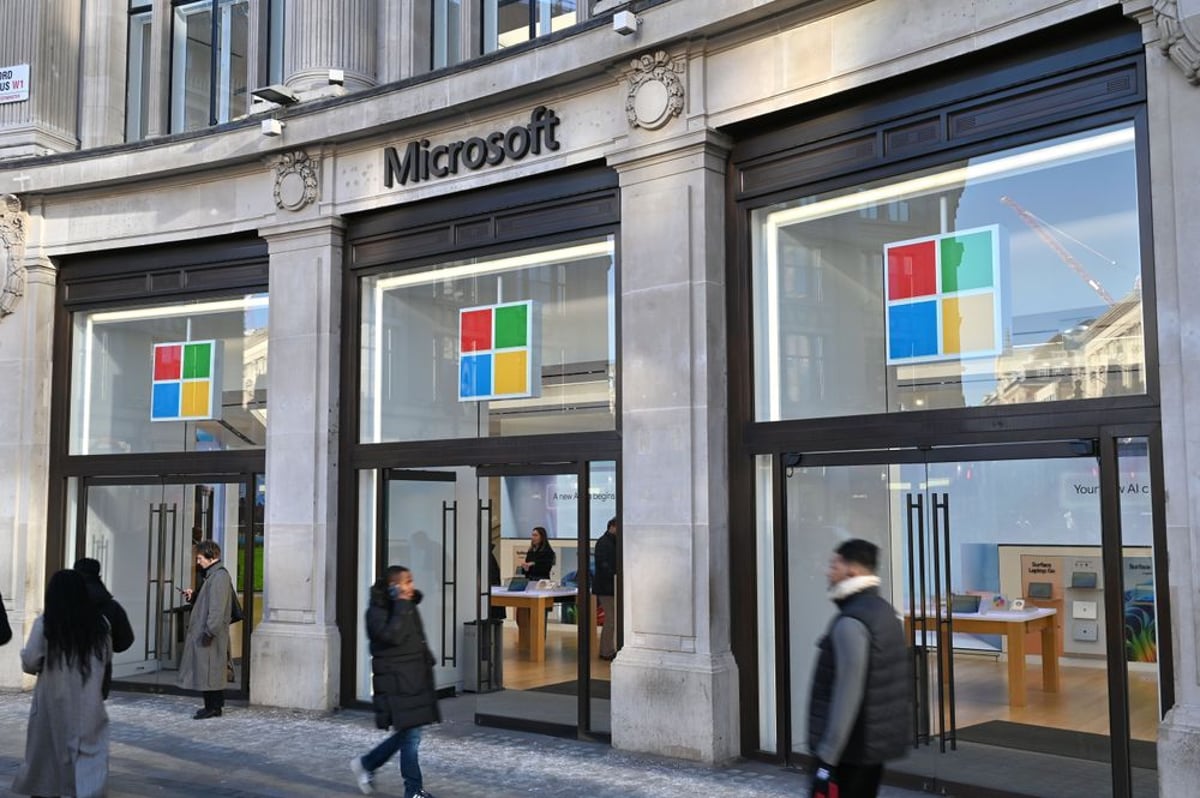
The $30 billion investment splits roughly in half, with $15 billion in capital expenditures for the supercomputer and data center expansion, while the remaining $15 billion supports Microsoft's ongoing UK operations. This includes the company's 6,000 British employees across offices in Cambridge (Microsoft Research), Reading (UK headquarters), and London (Microsoft AI), even after closing its flagship London store earlier this year.
For the UK, landing Microsoft's commitment represents validation of its post-Brexit tech strategy and regulatory reforms. For Microsoft, it's a massive bet that British AI demand will justify building one of Europe's most powerful computing facilities. The investment timeline runs through 2028, giving both sides plenty of time to prove this partnership can deliver on its ambitious promises.
Microsoft's $30 billion UK commitment signals a new phase in the global AI infrastructure arms race, where tech giants are making massive bets on regional computing power. By dramatically outspending Google and mending fences with British regulators, Microsoft positions itself as the UK's primary AI partner while Trump courts international tech investments. The real test comes in execution - turning this headline-grabbing promise into the computing infrastructure that can power Britain's AI ambitions through 2028 and beyond.