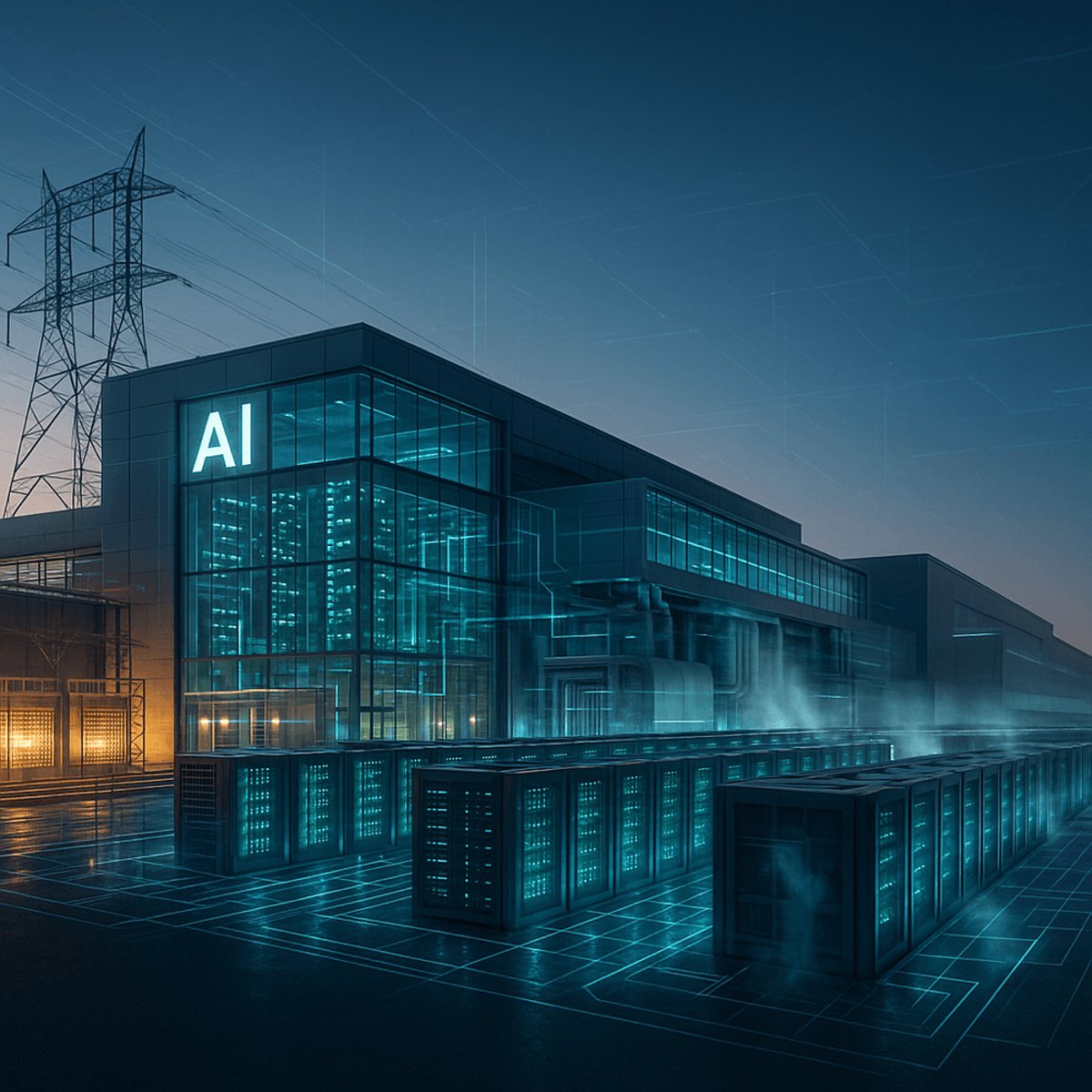
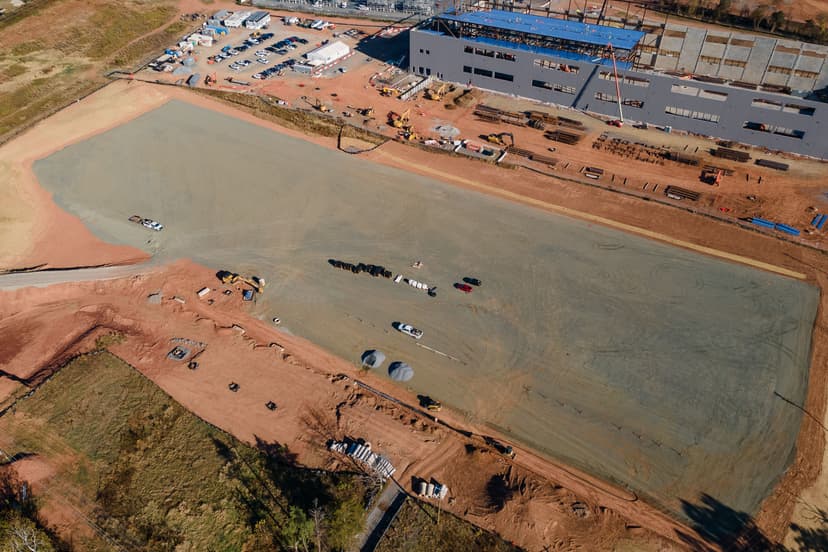
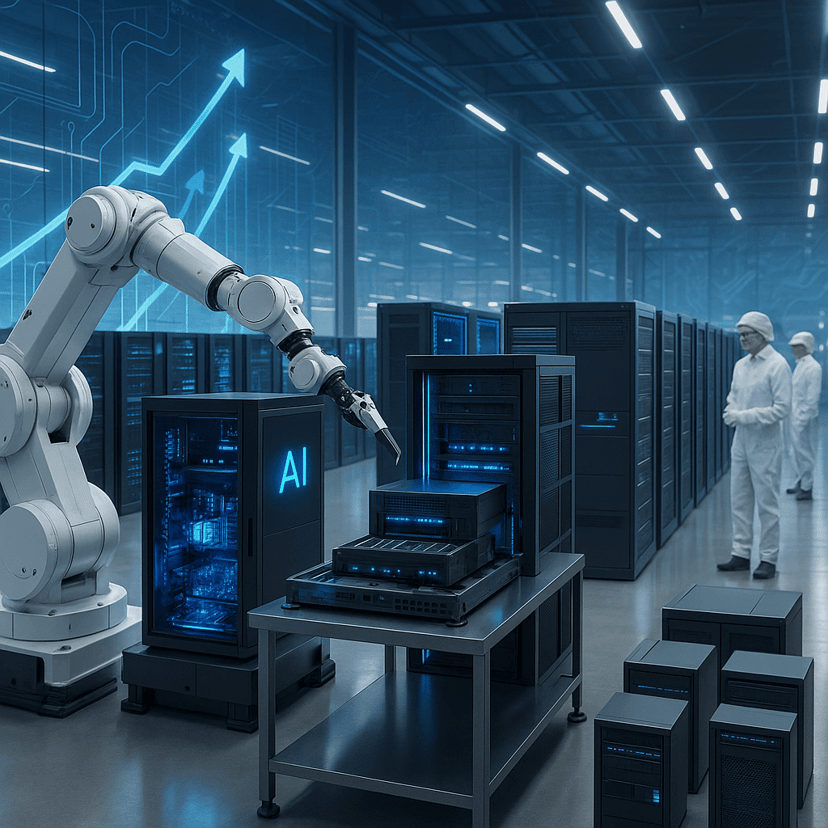
NVIDIA just redefined the future of enterprise AI infrastructure. At this week's AI Infrastructure Summit, the company unveiled reference designs for "AI factories" - fully integrated data centers optimized for gigawatt-scale AI workloads. Working with partners like Schneider Electric, Siemens Energy, and Jacobs, NVIDIA is creating blueprints that treat power, cooling, and compute as a unified system rather than separate components.
NVIDIA just threw down the gauntlet in enterprise AI infrastructure. The company's bold move at this week's AI Infrastructure Summit isn't just about faster chips - it's about reimagining how we build the massive facilities that will power the AI economy.
Ian Buck, NVIDIA's VP of Accelerated Computing, unveiled what he calls "AI factories" - a complete rethink of data center design that treats power, cooling, and compute as one integrated system. The announcement comes as enterprises struggle with the energy demands of AI workloads that can require gigawatts of continuous power.
"We're reactivating decades of infrastructure expertise to build this new class of AI factories," Buck explained during his keynote presentation. The shift represents NVIDIA's evolution from a chip company to an industrial systems architect, tackling problems too complex for any single vendor to solve alone.
The backbone of this initiative is an expanding ecosystem of infrastructure giants. Schneider Electric, Siemens Energy, and Vertiv are handling the power and cooling challenges, while Jacobs serves as the design integrator coordinating physical and digital layers. GE Vernova brings power generation expertise directly to the rack level.
But the real innovation lies in NVIDIA's digital twin approach. Using the company's Omniverse Blueprint, partners can simulate entire gigawatt-scale facilities before breaking ground. The platform connects tools from Cadence and ETAP, allowing designers to model every component - from power distribution to networking infrastructure.
"Companies can share simulation-ready assets, allowing designers to model components in Omniverse using AI factory digital twins even before they're physically available," according to NVIDIA's technical documentation. This represents a fundamental shift from today's approach where buildings are designed independently of the compute platforms they house.
The complexity extends far beyond facility walls. These AI factories must integrate with power grids, water supplies, and transportation networks. Traditional data centers operated in isolation, but AI factories are designed for what NVIDIA calls "composability, resilience and scale."
The ecosystem keeps expanding. Recent additions include specialists like emeraldai, phaidra.ai, and PTC, each bringing domain expertise in infrastructure simulation and orchestration. The growing partner network signals industry recognition that AI infrastructure demands a systems-level approach.
NVIDIA's timing isn't coincidental. As enterprises rush to deploy AI capabilities, many are discovering that traditional data centers can't handle the power density and cooling requirements of modern AI workloads. The company's reference designs promise to solve the fundamental challenge: "how to optimize every watt of energy that enters the facility so that it contributes directly to intelligence generation."
The financial implications are staggering. Poor infrastructure design can waste significant portions of a facility's energy budget on cooling and power conversion rather than actual compute. By engineering power, cooling, compute, and software as a unified whole, NVIDIA's approach could dramatically improve efficiency at gigawatt scale.
The platform adopts the OpenUSD framework for physically accurate modeling, ensuring compatibility across the partner ecosystem. When the complete blueprint launches next year, it will offer APIs and simulation-ready digital assets for real-time collaboration throughout the entire lifecycle - from initial design through deployment and ongoing operations.
This isn't just about building better data centers. It's NVIDIA positioning itself at the center of the AI infrastructure stack, expanding beyond hardware into industrial-scale system design. With AI workloads projected to consume massive amounts of global energy capacity, whoever controls the infrastructure blueprint controls a significant piece of the AI economy's foundation.
NVIDIA's AI factory initiative represents more than infrastructure optimization - it's a strategic play to control the foundation of enterprise AI deployment. By creating reference designs that treat facilities as unified systems rather than separate components, the company is positioning itself not just as a chip vendor but as the architect of AI-scale infrastructure. With the complete blueprint set for next year and an expanding ecosystem of industrial partners, this could reshape how enterprises think about building AI capabilities at scale.