Microsoft is testing autonomous AI agent technology for its 365 Copilot platform, marking a major shift toward always-on enterprise automation. The move follows the breakout success of OpenClaw, an open-source framework that lets AI agents run locally and complete tasks around the clock. Omar Shahine, Microsoft's corporate vice president, confirmed the company is "exploring the potential of technologies like OpenClaw in an enterprise context," according to The Information. This signals Microsoft's intent to transform Copilot from a chat assistant into a proactive digital worker.
Microsoft just threw down the gauntlet in the enterprise AI race. The company is actively testing autonomous agent capabilities for its 365 Copilot platform, drawing inspiration from OpenClaw, the open-source framework that's been quietly reshaping how businesses think about AI automation.
The confirmation came from Omar Shahine, Microsoft's corporate vice president, who told The Information the company is "exploring the potential of technologies like OpenClaw in an enterprise context." It's a careful statement, but the implications are massive. Microsoft wants Copilot to evolve from a helpful chatbot into an always-on digital employee that handles tasks while you sleep.
OpenClaw burst onto the scene earlier this year as an open-source alternative to proprietary AI agent platforms. Unlike cloud-based assistants that phone home with every request, OpenClaw lets businesses build AI agents that run entirely on local devices. That's a huge selling point for enterprises paranoid about data leakage or compliance nightmares. The platform rose in popularity as companies realized they could automate complex workflows without surrendering control to third-party servers.
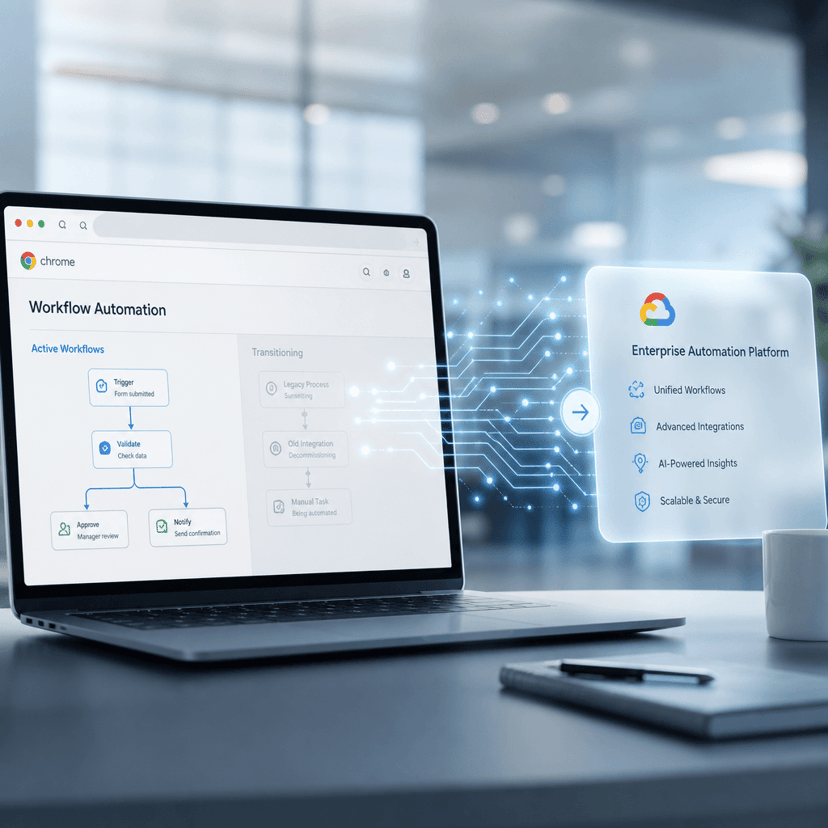
Now Microsoft wants a piece of that action. According to The Information's report, the tests focus on making 365 Copilot "run autonomously around the clock" while completing tasks on behalf of users. Think scheduling meetings, drafting reports, updating spreadsheets, and coordinating across Teams - all happening in the background without constant human babysitting.
The timing isn't coincidental. Microsoft's been under pressure to justify Copilot's $30-per-user monthly price tag for enterprise customers. Early adopters praised its chat capabilities but complained it required too much hand-holding. Autonomous agents could flip that script entirely. Instead of asking Copilot to summarize an email thread, it would just do it and drop the summary in your inbox before your morning coffee.
But there's tension here. OpenClaw's whole appeal is local execution and open-source transparency. Microsoft's cloud-first strategy with Azure seems fundamentally at odds with that philosophy. The question is whether Microsoft will build a true local-first agent framework or simply bolt OpenClaw-inspired features onto its existing cloud infrastructure while calling it "autonomous."
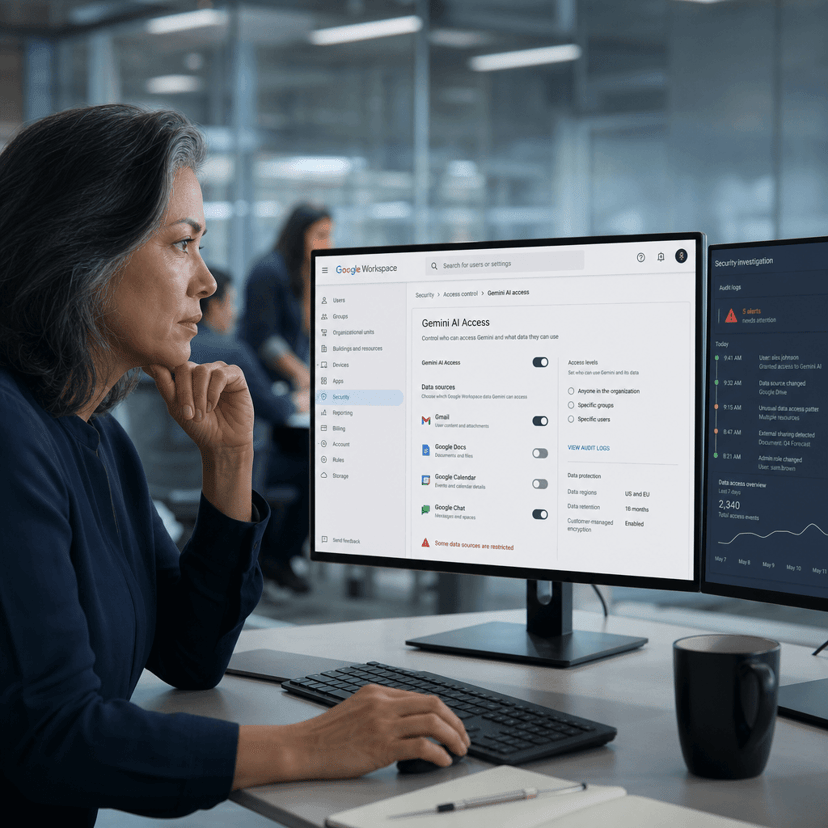
The enterprise AI market is watching closely. Google has been pushing its own Workspace automation through Gemini integration, while startups like Adept and Dust have raised millions building specialized agent platforms. Microsoft's 365 dominance gives it a built-in distribution advantage, but only if the technology actually delivers.
Security teams are already raising eyebrows. Autonomous agents with access to corporate email, documents, and calendars represent a massive attack surface. One compromised agent could exfiltrate months of sensitive communications before anyone notices. Microsoft will need bulletproof authentication and monitoring to convince CISOs this isn't a disaster waiting to happen.
The developer community is split. Some see Microsoft's embrace of OpenClaw principles as validation for open-source AI infrastructure. Others worry the company will do what it always does - embrace, extend, extinguish. If Microsoft builds proprietary extensions that only work with Azure services, the "OpenClaw-style" label becomes meaningless marketing speak.
What's clear is that the passive AI assistant era is ending. Every major tech company is racing toward agents that don't just respond to commands but anticipate needs and act independently. Microsoft's testing suggests the company believes enterprise customers are ready for that leap, at least in controlled environments.
The real test comes when these agents start making mistakes. An AI that autonomously books the wrong conference room is annoying. One that autonomously sends a draft to the entire company distribution list is a resume-generating event. Microsoft's track record with Copilot bugs - including that embarrassing incident where it hallucinated entire meetings - doesn't inspire unlimited confidence.
But if Microsoft pulls this off, the productivity implications are staggering. Knowledge workers could offload hours of routine coordination and documentation to tireless digital assistants. The flip side? Enterprises might decide they need fewer human workers if the AI handles this much autonomously. That's a conversation corporate America isn't quite ready to have out loud yet.
Microsoft's autonomous agent experiments represent more than a feature upgrade - they're a bet on fundamentally changing how enterprise software works. If Copilot can genuinely run tasks independently without constant supervision, it justifies the premium pricing and cements Microsoft's lead in the enterprise AI wars. But the execution has to be flawless. Enterprises won't tolerate autonomous agents that hallucinate financial data or accidentally leak confidential information. The OpenClaw inspiration suggests Microsoft understands businesses want control and transparency, not just more cloud dependencies. Whether the final product honors that philosophy or simply borrows the buzzwords will determine if this gamble pays off or becomes another cautionary tale about AI overpromising.