Microsoft is rolling out a game-changing Copilot feature that lets AI assistants work directly with files stored on your Windows 11 PC. The move marks a significant shift toward local AI processing and puts Microsoft ahead in the race to bring computer-use agents to mainstream consumers, coming just as Windows 10 support officially ends.
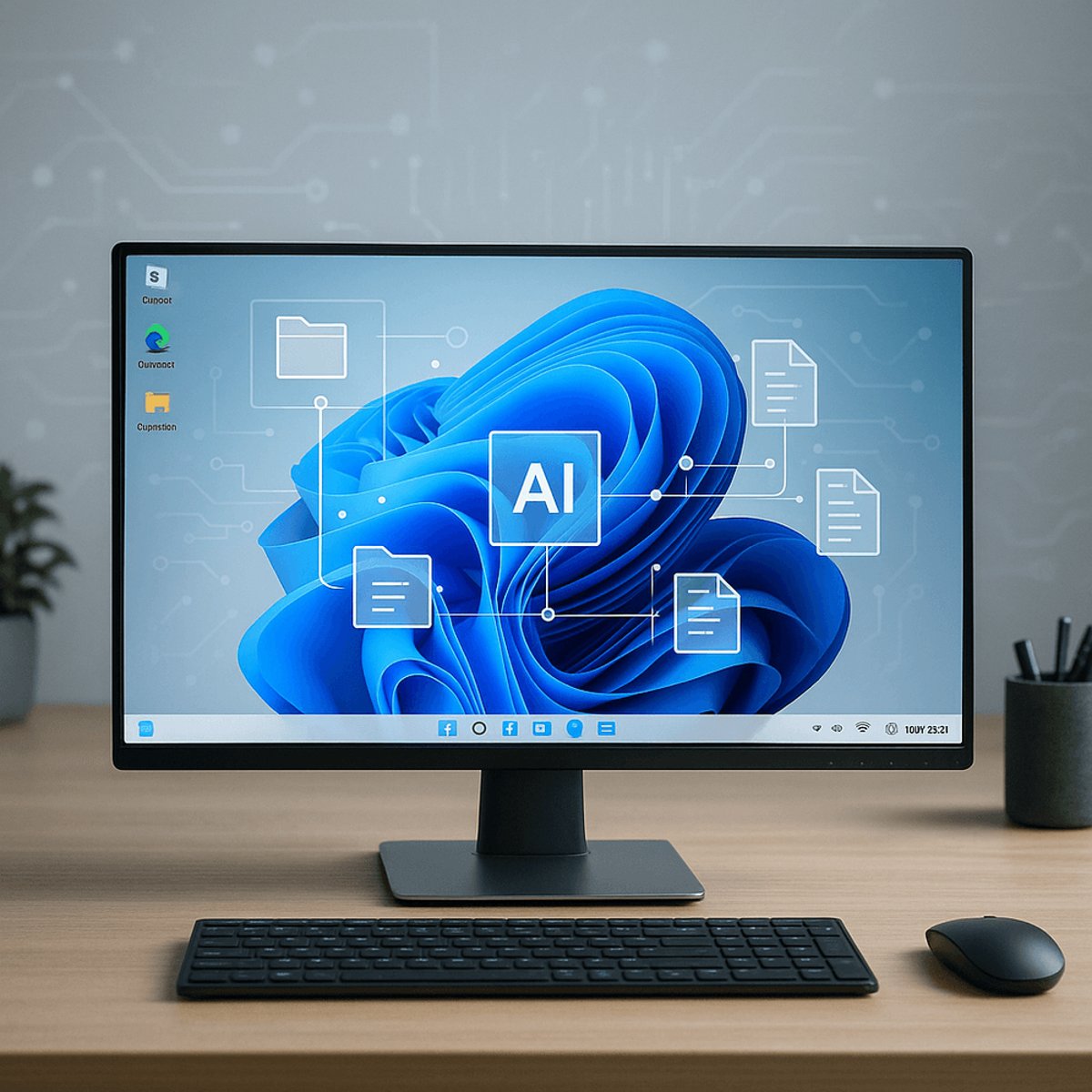
Microsoft just made its boldest AI bet yet. The company is testing a new Copilot feature that can manipulate files directly on Windows 11 PCs, marking the first time mainstream users will have access to local AI agents that can actually do work on their computers.
The timing couldn't be more strategic. Just as Microsoft officially ended Windows 10 support on Tuesday, the company is dangling this cutting-edge AI capability exclusively for Windows 11 users. It's a classic carrot-and-stick approach that could finally drive the upgrade cycle Microsoft desperately needs.
"You may see the agent make mistakes or encounter challenges with complex interfaces, which is why real-world testing of this experience is so critical," Yusuf Mehdi, Microsoft's consumer marketing chief, told reporters in a briefing. The admission reveals Microsoft's awareness that this tech is still rough around the edges, but they're pushing ahead anyway.
The new capability puts Microsoft in direct competition with the AI heavyweights. Google, OpenAI, and Anthropic have all developed what the industry calls "computer-use agents" - AI systems that can click, type, and navigate software just like humans do. But Microsoft is the first to bring this technology directly into a mainstream operating system.
Here's what makes this different: instead of processing everything in the cloud, Copilot will work with your local files in real-time. Tell it to resize a batch of photos, and it'll do it right there on your desktop. Want to create a Spotify playlist with all your Brian Eno tracks? Copilot can handle that too, according to Mehdi's demo.
The feature launches with careful guardrails. Microsoft is limiting initial access to Windows Insider Program members who also participate in Copilot Labs. The AI will only work with standard folders like Desktop, Documents, and Downloads, and users must approve access to any other data on their machines.
Microsoft's caution makes sense given the stakes. The company generated $4.3 billion in Windows and devices revenue last quarter, but growth was anemic at just 2.5% year-over-year. Windows 11 only surpassed Windows 10 in market share this July, according to Statcounter data, despite launching in 2021.
The local processing angle could be Microsoft's secret weapon. While competitors focus on cloud-based AI, Microsoft is betting that consumers want their sensitive files handled locally. It's a privacy play that could resonate with enterprise customers and security-conscious users who've been hesitant to upload everything to the cloud.
Beyond file manipulation, Microsoft is adding other AI features to sweeten the Windows 11 deal. The company is integrating technology from Singaporean startup Manus that lets users right-click any file and instantly "Create website with Manus." There's also a new Copilot Vision feature that can analyze whatever's on your screen through text chat, not just voice commands.
The interface updates matter too. Microsoft is moving the Copilot shortcut right next to the Start button and adding one-click access to Vision and voice features. Users can now summon the assistant with "Hey Copilot" - a direct challenge to Apple's Siri and Google Assistant.
This push comes as the broader AI agent market heats up. Apple has been quietly working on similar features for macOS, while Google's Chrome OS could integrate computer-use capabilities soon. Microsoft knows it has a narrow window to establish dominance in this space.
The real test will be execution. Computer-use agents are notoriously finicky, often failing at complex tasks or misinterpreting commands. Microsoft's acknowledgment that users will see "mistakes" suggests they're prioritizing speed to market over perfection - a risky but potentially smart strategy given the competitive pressure.
Microsoft's local file processing gambit represents more than just another AI feature - it's a fundamental shift in how we'll interact with our computers. If the company can nail the execution and overcome the technical challenges, this could be the killer app that finally drives widespread Windows 11 adoption. But with Apple and Google working on similar capabilities, Microsoft's early lead might be shorter than they hope.