TL;DR:
• Elon Musk via xAI threatens Apple lawsuit over alleged App Store bias favoring OpenAI
• Apple denies claims, cites "objective criteria" for app rankings and features
• AI apps like Perplexity and DeepSeek have actually topped App Store charts recently
• Apple faces growing regulatory pressure over app distribution power amid Epic Games case
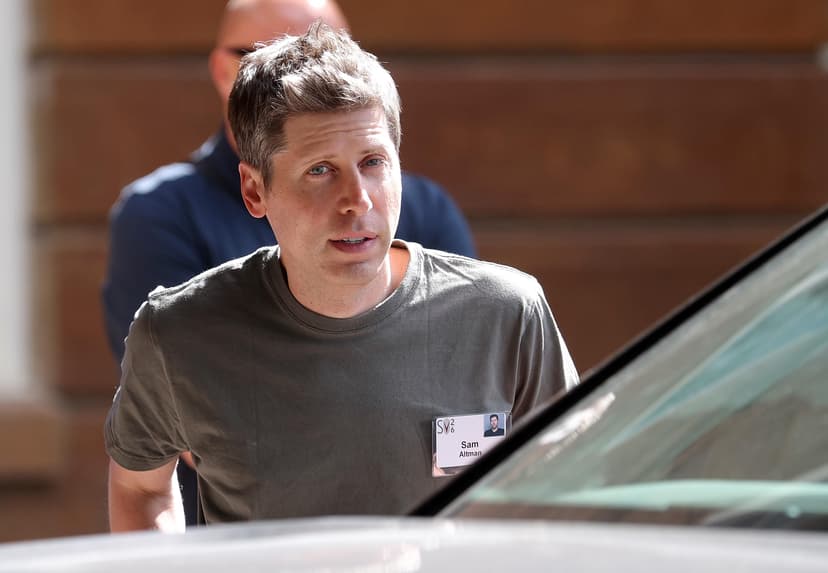
Apple is pushing back hard against Elon Musk's explosive accusation that the App Store rigs its rankings to favor OpenAI over competing AI companies. The xAI founder threatened a lawsuit Tuesday, claiming the iPhone maker makes it "impossible for any AI company besides OpenAI to reach #1." But Apple's swift rebuttal reveals deeper tensions over AI platform dominance as regulatory scrutiny intensifies.
Apple just fired back at Elon Musk's most serious accusation yet against the tech giant's platform practices. The company flatly rejected claims that its App Store systematically favors OpenAI over rival AI companies, setting up what could become the industry's most high-stakes platform dispute.
"We feature thousands of apps through charts, algorithmic recommendations and curated lists selected by experts using objective criteria," Apple told the BBC in a rare public statement defending its curation practices. The response came within hours of Musk's threat to sue Apple via his xAI company, where he claimed the iPhone maker was "behaving in a manner that makes it impossible for any AI company besides OpenAI to reach #1 in the App Store."
The timing couldn't be more loaded. Apple and OpenAI cemented their partnership last year by integrating ChatGPT directly into iOS and Siri, giving the AI company unprecedented access to Apple's ecosystem. But Musk's accusations suggest this partnership extends beyond product integration into preferential marketplace treatment.
The reality on the ground tells a different story. AI apps like Perplexity and DeepSeek have actually topped the App Store charts over the past year, according to various ranking trackers. ChatGPT itself faces regular competition from these and other AI assistants for the coveted #1 spot in productivity and utilities categories.
But Musk's broadside represents more than just competitive grievance. The xAI founder has been positioning his company as the "truth-seeking" alternative to what he calls the "woke AI" establishment led by OpenAI. His recent launches of Grok and other AI tools directly challenge OpenAI's dominance, making any perceived platform advantages a strategic threat to his ambitions.
Apple's quick public response signals how seriously the company takes these allegations. In previous years, the Cupertino giant would have likely ignored such claims entirely. But today's Apple operates under intense regulatory microscope, with the Digital Markets Act in Europe and growing antitrust pressure in the US forcing unprecedented transparency.
The company recently faced a major setback in its Epic Games case, with a US district judge criticizing Apple for not implementing court-ordered policy changes. That legal vulnerability makes any new accusations of anti-competitive behavior particularly dangerous, especially from a figure as influential as Musk.
Industry analysts are watching this dispute closely for signals about how AI competition will play out across major platforms. "This is about more than app rankings," one former Apple executive told TechCrunch on condition of anonymity. "It's about who controls the gateway to AI adoption on mobile."
The stakes extend beyond just iOS. With AI becoming the next platform battleground, any perception of favoritism could invite regulatory intervention that reshapes how tech giants distribute competing services. Google faces similar scrutiny over Play Store policies, while Microsoft navigates antitrust concerns around its OpenAI partnership.
What started as a Twitter threat could evolve into the defining legal battle over AI platform access. While Apple's denials carry weight given the actual performance of competing AI apps in its store, the company's defensive response reveals how regulatory pressure is forcing tech giants to justify practices they once considered untouchable. For developers and users alike, this dispute will likely determine whether AI innovation flourishes through open competition or gets channeled through preferred partnerships between tech titans.