Nothing is cutting jobs and reorganizing around a new AI-native business unit, but the London-based smartphone maker is pushing back hard against reports it's retreating from a dozen markets. Cofounder Akis Evangelidis took to social media to call the exit claims "way overblown," even as he confirmed the company is consolidating operations into regional hubs. The moves come as rising component costs squeeze hardware startups globally, forcing Nothing to make tough choices about where to compete.
Nothing finds itself in damage control mode after a report claimed the company was planning a major retreat from global markets. But cofounder Akis Evangelidis is telling a different story - one of strategic consolidation rather than panic-driven exits.
In a post on X, Evangelidis confirmed that Nothing is "reorganizing" and laying off staff, but he pushed back aggressively against the narrative that the company is in crisis mode. "The reported numbers are way overblown," he wrote, directly contradicting claims from Digit that Nothing would exit 12 markets amid declining global shipments.
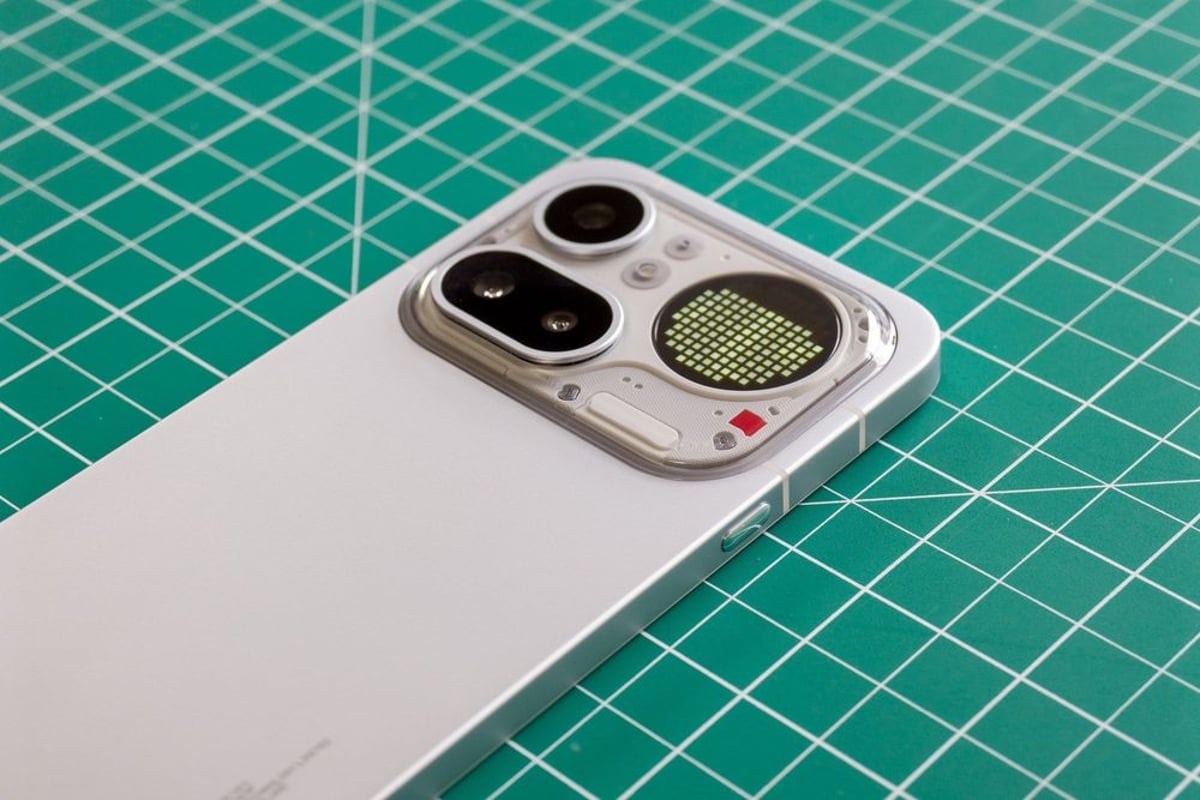
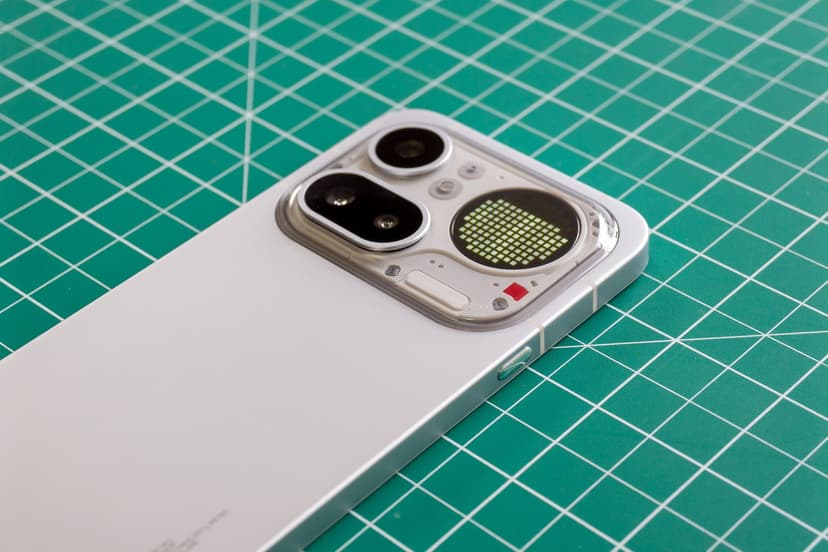
The timing is particularly sensitive given the company just launched its Phone 4B. Evangelidis defended the device's performance, stating it "sold 29,537 units on Day 1 only, breaking records in its price segment." That's a pointed rebuttal to suggestions the launch underwhelmed - though notably, he didn't compare those numbers to previous Nothing launches or provide broader market context.
What Nothing is doing, according to Evangelidis, is consolidating operations into regional hubs rather than maintaining scattered country-by-country operations. It's the kind of efficiency play that suggests the company is optimizing for profitability over pure growth, a shift many hardware startups face as venture capital becomes harder to access and component costs squeeze margins.
The restructuring also includes a strategic pivot that's become almost mandatory in 2026: Nothing is introducing an "AI-native" business unit. Details remain sparse, but the move puts Nothing in line with virtually every consumer tech company rushing to embed AI capabilities into their products. For a company built on distinctive design language and transparent aesthetics, the challenge will be making AI feel like a natural extension of Nothing's brand rather than a desperate grab at relevance.
The backdrop here matters. Rising component prices are creating real pressure across the hardware industry, particularly for smaller players without the purchasing power of Apple or Samsung. Nothing occupies an awkward middle ground - too big to operate as a scrappy underdog, but too small to command the supply chain leverage of major manufacturers.
Founded by former OnePlus cofounder Carl Pei, Nothing has built its reputation on design-forward smartphones with transparent backs and distinctive "Glyph" lighting systems. The company's raised substantial venture funding and generated genuine buzz in an increasingly commoditized smartphone market. But buzz doesn't pay the bills when component costs spike and margins compress.
The layoffs suggest Nothing is facing real pressure to hit profitability milestones, likely driven by investor expectations and the reality that the next funding round won't come as easily as previous ones. Consolidating into regional hubs makes operational sense - it reduces overhead and streamlines decision-making - but it also means fewer boots on the ground in individual markets.
Evangelidis's aggressive response to the Digit report reveals how sensitive Nothing is to perceptions of weakness. In the smartphone market, momentum matters enormously. Carriers and retailers make decisions about shelf space based partly on whether they think a brand is ascendant or declining. Nothing can't afford to be seen as retreating, even if the operational reality involves some strategic pullback.
The AI-native unit could be Nothing's attempt to open a new growth vector beyond pure hardware sales. If the company can develop compelling AI features or services, it creates potential recurring revenue streams and differentiates Nothing from the dozens of Android manufacturers competing primarily on specs and price. But it also represents a significant bet in an already crowded space where Google, Apple, and Samsung have massive advantages in data, talent, and integration.
What remains unclear is the scale of the layoffs and exactly which functions are being reduced. Evangelidis's insistence that "reported numbers are way overblown" suggests the cuts may be more modest than leaked figures implied, but without specific numbers from Nothing, it's impossible to gauge the real impact on the organization.
Nothing's restructuring reveals the tightrope walk facing mid-sized hardware startups in 2026. The company is trying to project strength - record-breaking Phone 4B sales, strategic consolidation, a forward-looking AI bet - while simultaneously cutting costs and streamlining operations. Whether the regional hub model and AI-native unit can offset margin pressure from rising component costs will determine if Nothing emerges stronger or becomes another cautionary tale about scaling hardware businesses in an unforgiving market. For now, Evangelidis is controlling the narrative, but the real test comes in the next few quarters when the numbers tell the story the PR can't spin.