Nothing is cutting jobs and reorganizing its operations, but the company isn't going anywhere. Cofounder Akis Evangelidis pushed back hard against reports claiming the London-based smartphone maker plans to exit a dozen markets, calling the numbers "way overblown" while confirming layoffs are underway. The clarification comes as Nothing pivots to an AI-focused business model and consolidates its global footprint into regional hubs, all while navigating rising component costs that are squeezing margins across the consumer electronics industry.
Nothing found itself fighting rumors this week as the smartphone maker confirmed it's trimming staff but simultaneously denied more dramatic claims about its future. The company's response offers a window into how mid-tier phone makers are adapting to a brutal hardware market where margins keep shrinking and component costs keep climbing.
Cofounder Akis Evangelidis took to X to address a Digit.in report claiming Nothing would exit 12 markets as global shipments decline. "The reported numbers are way overblown," Evangelidis wrote, confirming layoffs are happening but characterizing them as part of a broader reorganization rather than a retreat.
The pushback included specific sales figures for Nothing's latest device. The Phone 4B moved 29,537 units on its first day, which Evangelidis says broke records in its price segment. That data point directly contradicts the underwhelming sales narrative in the original report, though Nothing didn't disclose the phone's price point or how those day-one numbers compare to previous launches from the company.
What's actually happening sounds more like strategic consolidation than panic. Nothing is collapsing its operations into regional hubs instead of maintaining individual country operations across its current footprint. The company is also standing up what it calls an "AI-native" business unit, suggesting a pivot toward software and services that could offset hardware commoditization.
The timing is brutal for smaller players in the smartphone game. Component prices have been spiking, particularly for RAM and storage, squeezing manufacturers who lack the purchasing power of giants like Apple or Samsung. Nothing's founded by Carl Pei, who previously helped build OnePlus, so the team understands how razor-thin margins can get in the mid-range Android space.
The AI-native unit hints at where Nothing thinks it can differentiate. Pure hardware plays are getting tougher as chip makers like Qualcomm and MediaTek commodify performance across price tiers. Software experiences and AI integration are the new battleground, which explains why even a hardware-first company would spin up a dedicated AI division.
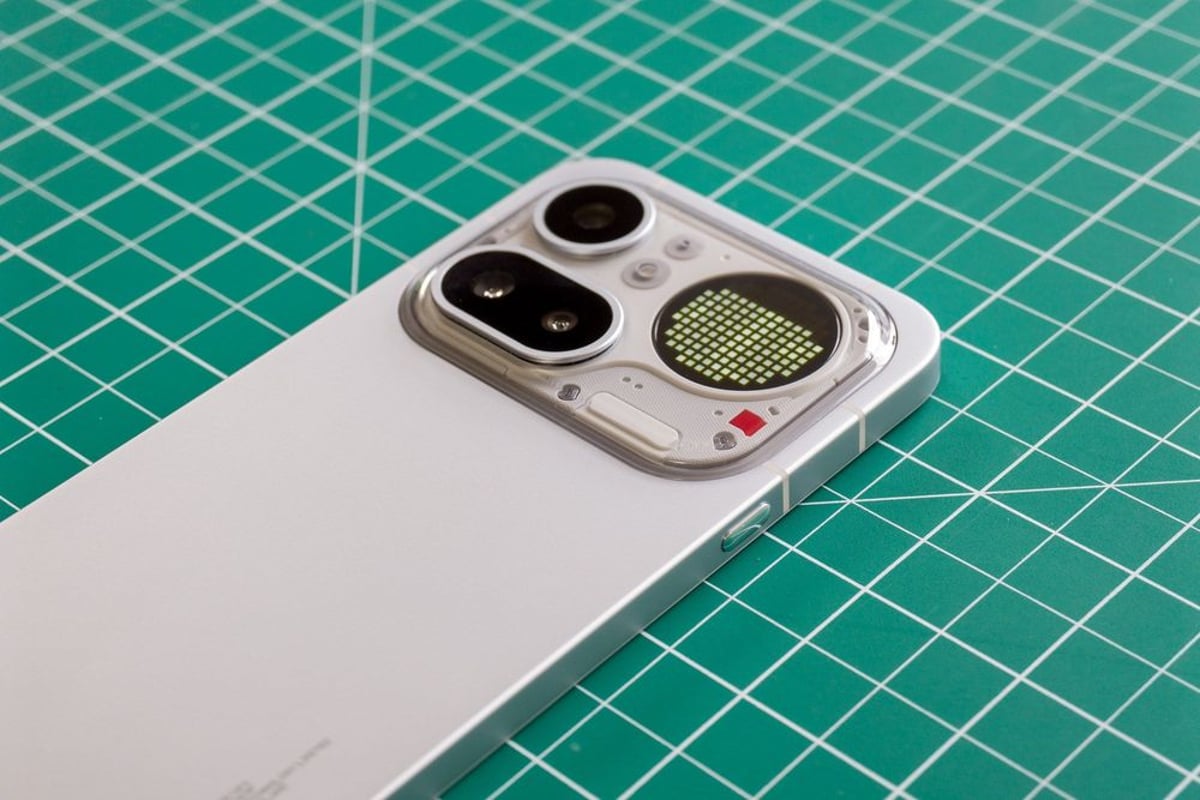
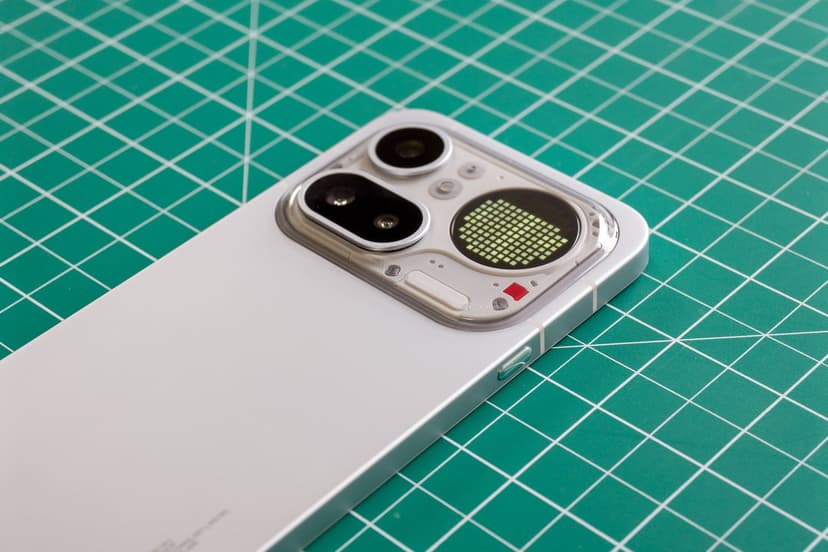
Nothing's Glyph interface and transparent design language gave it an identity that stood out in a sea of glass rectangles, but distinctive industrial design only gets you so far when you're competing on specs and price. The shift toward regional operations suggests Nothing is learning what other mid-tier brands already know - you can't be everywhere at once without the scale of a Samsung or Xiaomi.
The layoffs signal that reorganization comes with real costs. Evangelidis didn't share numbers, but any staff cuts at a company of Nothing's size represent meaningful restructuring. The company raised $144 million in Series B funding back in 2022, so it's not running on fumes, but venture capital only buys so much runway when hardware margins compress.
Nothing's response strategy here is interesting - get ahead of the story with specific data points while admitting to the parts that are true. The 29,537 first-day sales figure is specific enough to be verifiable and serves as a counterweight to the broader decline narrative. It's a playbook that acknowledges problems exist while reframing them as strategic choices rather than desperate moves.
The broader industry context makes Nothing's position clearer. Mid-tier Android makers are getting squeezed from both directions - flagships keep adding features that used to be premium-only, while budget devices get good enough for most people. Finding a sustainable position in that middle ground requires either massive scale or a differentiated experience worth paying for.
Nothing's bet seems to be that AI services and a consolidated regional strategy can deliver that differentiation. Whether the Phone 4B's record-breaking day-one sales translate to sustainable momentum remains to be seen, but the company is clearly betting it can weather this transition without abandoning markets entirely.
Nothing's clarification reveals the tightrope walk facing mid-tier smartphone makers in 2026. The company is cutting costs and consolidating operations while trying to pivot toward AI-differentiated experiences, all without abandoning the markets that matter. Whether the Phone 4B's strong launch and the new AI-native unit can offset shrinking margins and rising component costs will determine if Nothing's reorganization is a strategic reset or just the first chapter of a longer struggle. For now, the company is still standing - just with a leaner structure and a bet that regional focus plus AI integration can carve out sustainable space in an increasingly brutal market.