British AI infrastructure firm Nscale just closed one of the largest Series B rounds in European tech history, raising $1.1 billion with backing from Nvidia, Nokia, and Dell. The London-based company is racing to deploy GPU-powered data centers across Europe as demand for AI computing infrastructure hits fever pitch, with plans to house over 130,000 Nvidia GPUs by 2027.
Nscale just landed the kind of funding round that makes Silicon Valley take notice. The British AI infrastructure firm announced Thursday it's raised $1.1 billion in Series B funding, with Nvidia leading a heavyweight investor lineup that includes Nokia, Dell, and Norwegian industrial giant Aker.
The timing couldn't be better. As OpenAI, Microsoft, and Google race to build more powerful AI models, the bottleneck isn't just talent or algorithms - it's raw computing power. Nscale is betting big that Europe needs its own AI computing backbone, and investors are writing massive checks to make it happen.
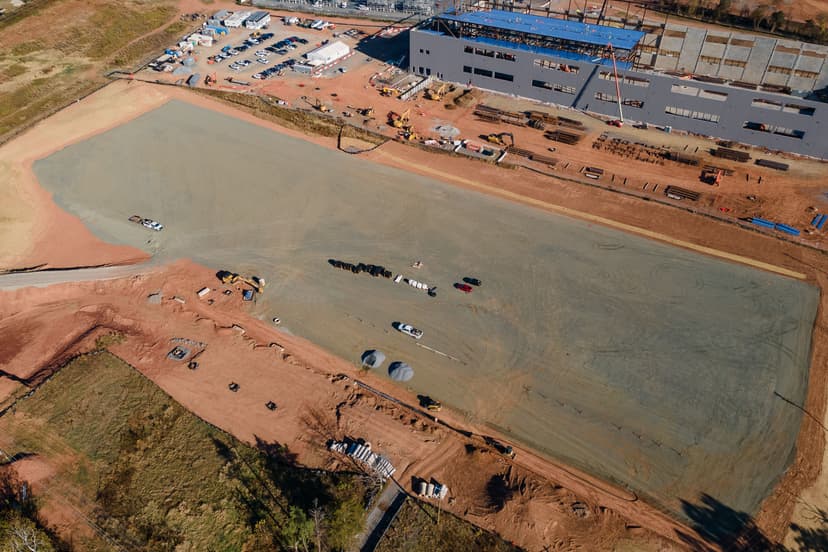
"We're creating one of the largest global infrastructure platforms of its kind – purpose-built to meet surging demand and unlock breakthroughs at unprecedented scale," CEO Josh Payne told CNBC. That's not just startup hyperbole - the company is committing $1 billion to a single Norwegian data center project that will house 100,000 Nvidia GPUs by 2027.
The scale is staggering. Most AI companies dream of accessing thousands of GPUs; Nscale is planning to deploy over 130,000 across just two sites. The Norwegian facility alone will rival some of the largest AI training clusters in the world, while the UK site will start with 8,000 GPUs early next year before expanding to 31,000.
This isn't Nscale's first rodeo with massive infrastructure projects. The company spun out from Australian crypto mining firm Arkon Energy in 2023, bringing deep expertise in power management and cooling systems - crucial skills when you're running thousands of power-hungry AI chips 24/7. That background is proving invaluable as traditional data center operators struggle to meet AI's unique demands.
The funding comes just weeks after Microsoft, Nvidia, and OpenAI announced multibillion-dollar commitments to UK AI infrastructure, with Nscale as a key partner. The company is directly involved in OpenAI's Stargate investment project, which aims to build cutting-edge data centers across Europe.
"This allows Nscale to provide our customers access to scarce, and highly sought after, compute capacity," Payne added. That scarcity is real - Nvidia's H100 and newer Blackwell GPUs remain in critically short supply, with lead times stretching months for even the biggest tech companies.
The European angle is particularly strategic. As AI regulation tightens and data sovereignty concerns grow, companies need computing infrastructure that's both powerful and compliant with local laws. Nscale is positioning itself as the answer, with what it calls "secure, compliant and energy-efficient AI infrastructure."
For Nvidia, backing Nscale makes perfect sense. The chip giant is essentially investing in one of its largest future customers while ensuring Europe has the infrastructure to drive continued GPU demand. It's a win-win that could reshape how AI companies think about geographic diversification.
With this funding, Nscale joins the ranks of European unicorns that are challenging Silicon Valley's dominance in AI infrastructure. The company is betting that proximity to customers, regulatory compliance, and energy efficiency will matter more than just raw scale - a bet that $1.1 billion suggests investors are willing to make.
Nscale's $1.1 billion raise signals a fundamental shift in AI infrastructure from centralized US data centers to distributed regional hubs. With Europe's regulatory landscape demanding local computing resources and AI workloads exploding globally, companies like Nscale are positioning themselves as essential bridges between American AI innovation and international markets. The real test will be execution - can they actually deploy 130,000 GPUs efficiently while maintaining the energy efficiency and compliance advantages they're promising? If so, this funding round might look like a bargain in hindsight.