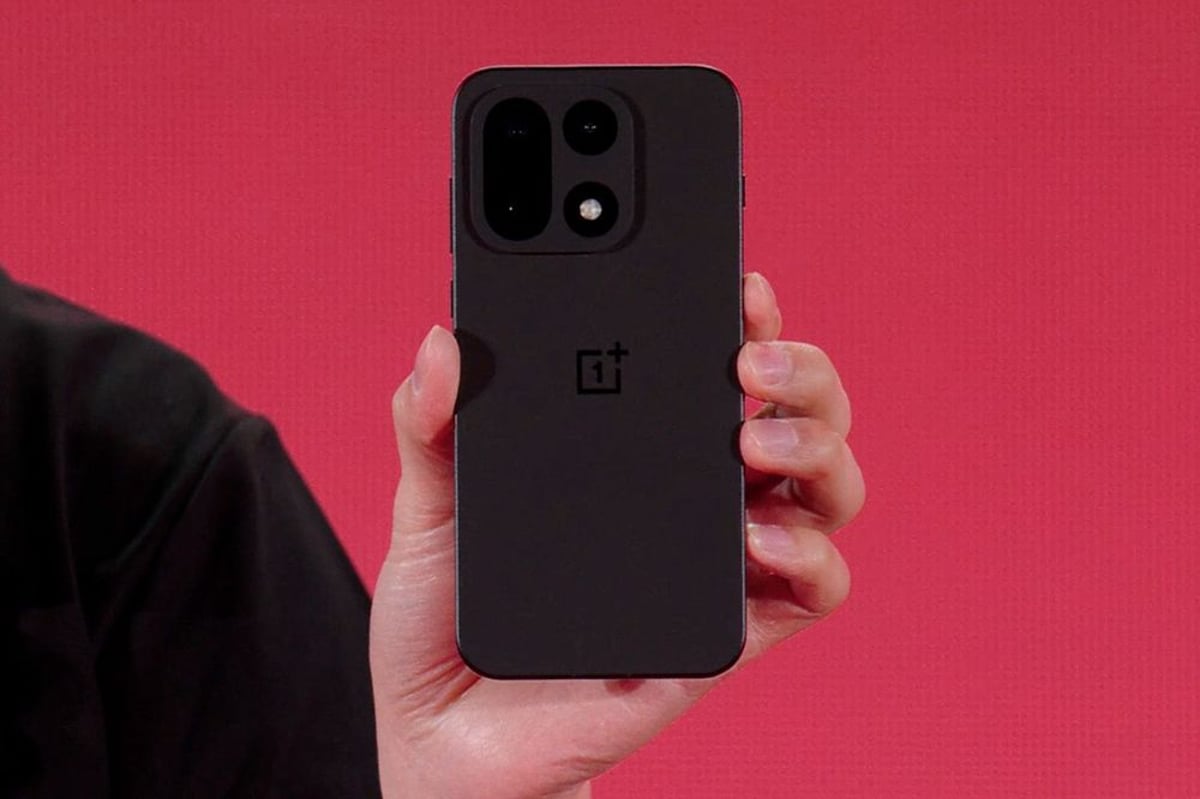
OnePlus just revealed its next flagship will be called the OnePlus 15 - skipping the unlucky number 14 entirely - and it's packing some serious hardware changes. The company announced the phone at Qualcomm's China summit, confirming it'll run the brand-new Snapdragon 8 Elite Gen 5 chipset with a blazing 165Hz display, while also ending its five-year camera partnership with Hasselblad.
OnePlus just threw everyone a curveball at Qualcomm's second Snapdragon Summit in China. The company's next flagship won't be called the OnePlus 14 - it's jumping straight to the OnePlus 15, and the reasoning is as cultural as it is strategic.
The decision to skip 14 stems from Chinese superstitions around the number four, which sounds like 'death' in Mandarin and Cantonese. It's the same reason many Chinese buildings don't have fourth floors. But there's method to this numerical madness - the OnePlus 15 pairs perfectly with Qualcomm's new Snapdragon 8 Elite Gen 5 chipset, creating a clean marketing narrative that sidesteps cultural taboos.
The hardware specs revealed at the Qualcomm Snapdragon Summit show OnePlus isn't just playing naming games. The OnePlus 15 will sport a 165Hz refresh rate display alongside that cutting-edge Snapdragon processor, positioning it squarely in premium flagship territory. The company showed off a sleek black version on stage, and the design language tells an interesting story about OnePlus's current strategy.
Visually, the OnePlus 15 looks more like the OnePlus 13T than its direct predecessor. It features the same rounded square camera island that debuted on the 13T model, and early indications suggest it'll follow that phone's lead by dropping the iconic alert slider in favor of a customizable shortcut button. It's a design evolution that signals OnePlus is willing to abandon some of its signature features for broader market appeal.
But the biggest shakeup isn't hardware - it's partnerships. The OnePlus 15 marks the end of an era as the company's first flagship in years without Hasselblad camera branding. CEO Pete Lau announced the brands are ending their five-year collaboration, though in a twist that'll confuse consumers, parent company Oppo will continue working with the Swedish camera maker.
OnePlus is striking out on its own with something called the DetailMax Engine, their new image processing technology. The name might not win any creativity awards, but it represents OnePlus's bet that they can deliver premium camera experiences without leaning on heritage camera brand partnerships.
This split creates an interesting dynamic in the broader smartphone ecosystem. Hasselblad's partnerships have become increasingly common - beyond OnePlus and Oppo, the camera company has worked with various phone makers to add credibility to mobile photography claims. OnePlus walking away suggests either confidence in their own capabilities or strategic disagreements about the partnership's value.
The timing of this announcement, coinciding with Qualcomm's latest chipset reveal, positions OnePlus to be among the first brands shipping with the Snapdragon 8 Elite Gen 5. That's crucial for market positioning, especially as Chinese consumers increasingly prioritize cutting-edge processors in their purchasing decisions.
What we don't know yet is pricing, exact availability, or how the DetailMax Engine will actually perform against Hasselblad-tuned competitors. OnePlus has a track record of delivering flagship specs at competitive prices, but the premium smartphone market has gotten increasingly crowded and expensive.
OnePlus is making some bold moves with the OnePlus 15 - skipping a number for cultural reasons, ending a major camera partnership, and betting big on Qualcomm's latest silicon. The real test will be whether their DetailMax Engine can deliver camera quality that matches or exceeds what they achieved with Hasselblad, and whether consumers will embrace the design changes like losing the alert slider. With the Snapdragon 8 Elite Gen 5 under the hood and a 165Hz display, the hardware foundation looks solid. Now we wait to see if OnePlus can execute on the software and pricing front when the phone officially launches.