OpenAI just doubled down on its infrastructure ambitions, announcing five new Stargate data centers across the US in partnership with Oracle and SoftBank. The expansion pushes the project's total capacity to seven gigawatts - enough to power over five million homes - as the AI giant prepares for the next generation of artificial intelligence models.
OpenAI is reshaping America's AI infrastructure landscape with a massive expansion that puts the company at the center of the nation's artificial intelligence buildout. The Tuesday announcement of five new Stargate data centers represents more than just corporate growth - it's a strategic positioning for the AI arms race that's defining the next decade of technology.
The numbers paint a picture of unprecedented scale. Seven gigawatts of planned capacity translates to enough electricity to power more than five million American homes, making this one of the largest private infrastructure projects in recent memory. That's roughly equivalent to the power consumption of entire metropolitan areas, underscoring just how energy-intensive training advanced AI models has become.
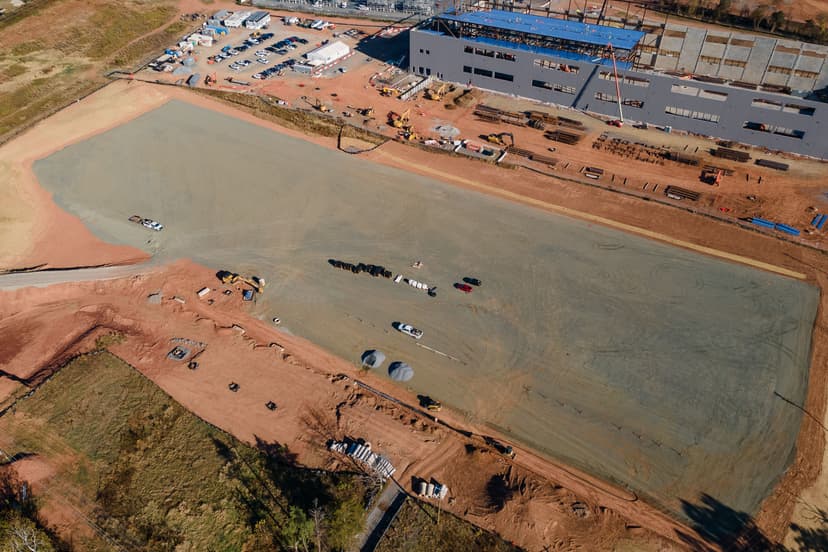
Oracle is taking the lead with three facilities spread across key US markets. The partnership places sites in Shackelford County, Texas; Doña Ana County, New Mexico; and an undisclosed Midwest location that Oracle is keeping under wraps for now. Meanwhile, SoftBank is developing two additional centers in Lordstown, Ohio - a former General Motors hub that's been repositioning itself as a tech manufacturing center - and Milam County, Texas.
The geographic distribution isn't accidental. Texas has emerged as America's data center capital, offering favorable energy costs, business-friendly regulations, and abundant land. New Mexico provides similar advantages with additional tax incentives for tech infrastructure. Ohio's selection signals OpenAI's interest in revitalizing Rust Belt manufacturing regions with next-generation industry.
This expansion comes at a critical moment for OpenAI, which is racing to maintain its position as competitors like Google, Microsoft, and Meta pour billions into their own AI infrastructure. The company's partnership approach - leveraging Oracle's enterprise cloud expertise and SoftBank's deep pockets - allows it to scale faster than building everything in-house.
The timing also connects directly to Monday's bombshell $100 billion investment from Nvidia, which will fund massive purchases of AI processors alongside this data center buildout. That partnership creates a vertically integrated pipeline from chip design to model deployment, giving OpenAI unprecedented control over its AI development stack.
Industry observers see this as OpenAI's answer to the capacity constraints that have limited AI model training and deployment. Current bottlenecks around GPU availability and data center space have forced even well-funded AI companies to queue for computing resources. By building its own infrastructure empire, OpenAI is betting it can avoid those limitations while potentially offering excess capacity to other AI developers.
The energy demands raise important questions about sustainability and grid impact. Seven gigawatts represents a significant draw on regional power systems, though all partners have committed to renewable energy sourcing where possible. The scale also highlights the growing tension between AI advancement and environmental concerns that's becoming central to tech policy discussions.
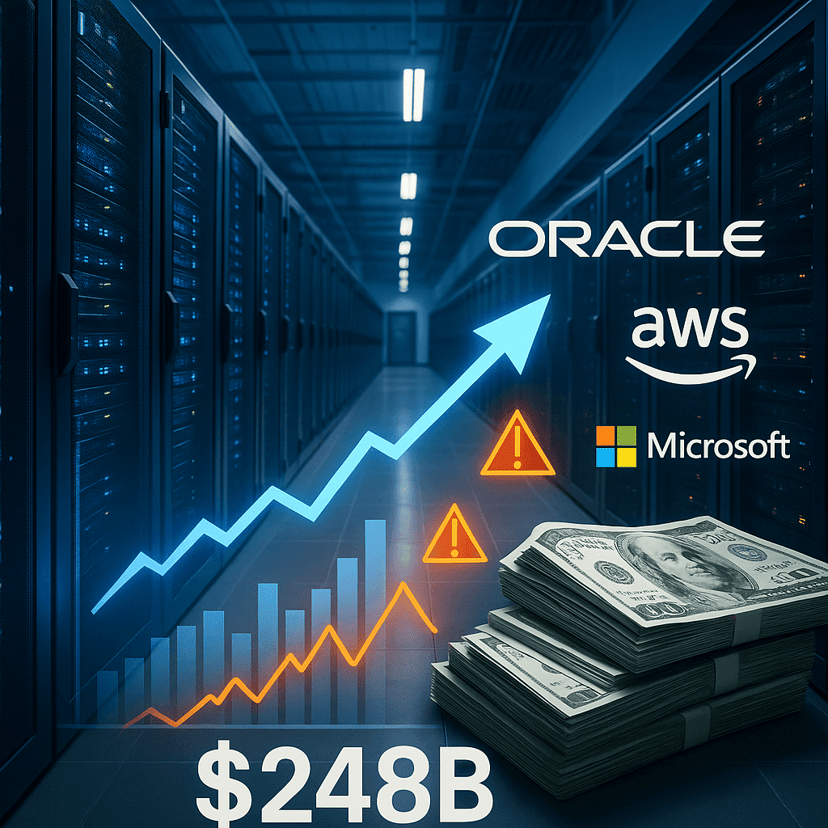
For Oracle, this partnership represents a major coup in its competition with Amazon Web Services and Microsoft Azure for enterprise AI workloads. Oracle's specialized database and cloud infrastructure capabilities make it a natural fit for the massive data processing requirements of advanced AI training.
SoftBank's involvement brings both capital and strategic value, given the Japanese conglomerate's extensive AI investments across its portfolio companies. The partnership could create synergies with SoftBank's other AI bets while providing OpenAI with access to Asian markets and technologies.
OpenAI's Stargate expansion signals a fundamental shift in how AI companies are approaching infrastructure - moving from renting cloud capacity to building proprietary computing empires. The seven-gigawatt scale puts OpenAI on par with major utilities while the geographic spread creates redundancy and regulatory advantages. As AI models grow exponentially more complex, this infrastructure edge could prove decisive in determining which companies can actually deliver on artificial general intelligence promises. The question isn't whether other AI leaders will follow suit, but how quickly they can mobilize similar capital and partnerships to match OpenAI's growing infrastructure advantage.