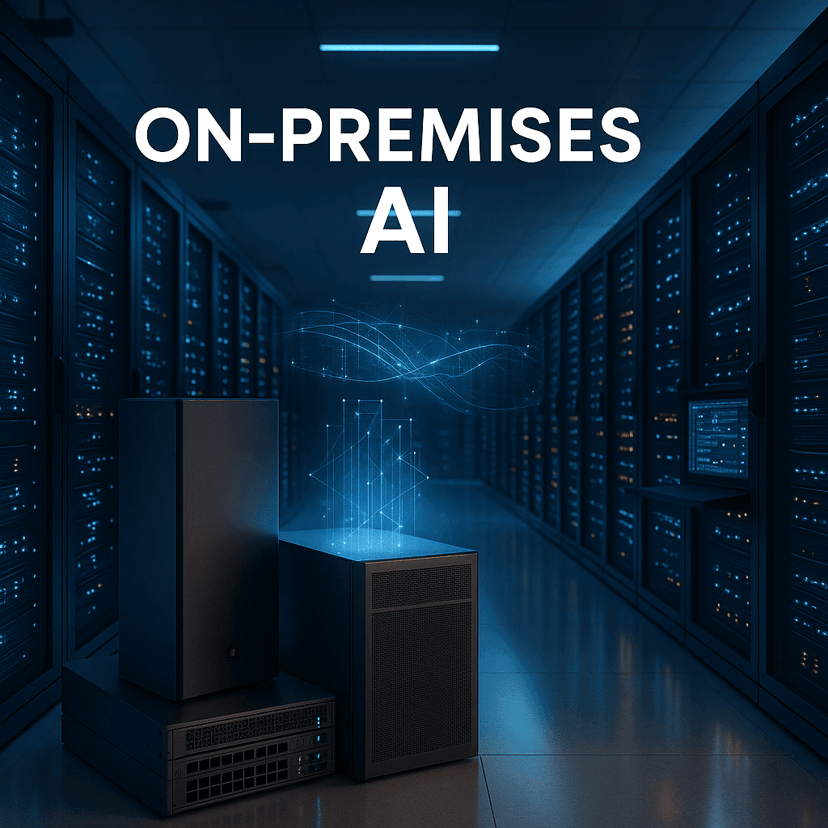
Meta just made its biggest infrastructure bet yet, announcing a $1 billion-plus investment in its 30th data center in Beaver Dam, Wisconsin. The AI-optimized facility marks a major milestone in Meta's infrastructure expansion, designed specifically to handle the company's most ambitious AI workloads while delivering unprecedented community benefits and environmental restoration projects that could reshape how Big Tech approaches local partnerships.
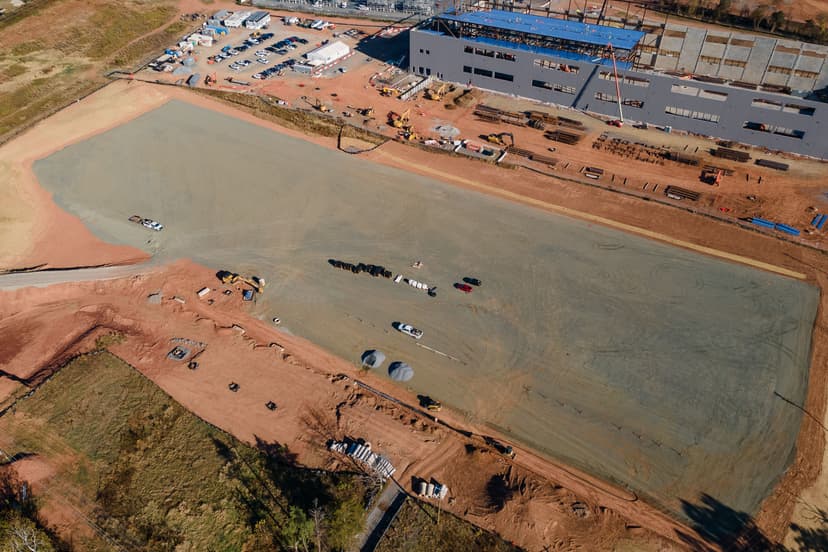
Meta is doubling down on AI infrastructure in a big way. The social media giant just announced it's breaking ground on its 30th data center worldwide, this time in Beaver Dam, Wisconsin, with an investment exceeding $1 billion. The facility represents Meta's most ambitious push yet into AI-optimized infrastructure, designed specifically to handle what the company calls its "most ambitious AI workloads."
The Wisconsin location wasn't chosen randomly. According to Meta's announcement, Beaver Dam offers access to reliable infrastructure and a skilled workforce - two critical factors as tech companies scramble to build out the physical backbone needed for AI computing. The data center will be optimized from day one for Meta's expanding AI infrastructure, setting the stage for what the company describes as "the future of AI innovation."
But this isn't just another corporate expansion story. Meta's putting serious money where its mouth is on community impact. The investment will support more than 100 operational jobs once the facility is running, plus over 1,000 skilled trade workers during peak construction. That's real economic impact in a state that's seen its share of manufacturing shifts over the decades.
The financial commitments go deeper than just job creation. Meta will underwrite nearly $200 million in energy infrastructure investments, covering everything from network upgrades to utility substations and transmission lines. The company's also donating $15 million to Alliant Energy's Hometown Care Energy Fund, which helps cover home energy costs for families struggling with utility bills.
Then there's the environmental angle, which is where this announcement gets really interesting. Meta's committing to restore 570 acres of wetlands and prairie surrounding the data center. About 175 acres will be deeded directly to Ducks Unlimited for long-term revitalization. According to the company, this effort will "transform degraded wetlands into vibrant, ecologically rich habitats supporting thousands of birds, native wildlife, and plant species."
The water story is particularly compelling given the scrutiny data centers face over resource consumption. Meta's Beaver Dam facility will use dry-cooling technology, meaning zero water demands for cooling once operational. The company's also committing to restore 100% of the water consumed by the data center to local watersheds through on-site rainwater capture, water-saving fixtures, and native vegetation landscaping.
This approach reflects a broader shift in how tech giants are thinking about infrastructure expansion. Where previous generations of data centers were often seen as resource-intensive black boxes dropped into communities, Meta's framing the Beaver Dam facility as a partnership that actually enhances local ecosystems.
The timing couldn't be more critical. As OpenAI, Google, and other AI leaders race to build computing capacity, the infrastructure demands are staggering. Training large language models requires massive parallel processing power, which translates directly into data center needs. Meta's 30th facility milestone puts the company in serious competition with hyperscale providers like Amazon Web Services and Microsoft Azure.
From a sustainability standpoint, the Beaver Dam facility will run on 100% clean and renewable energy, with electricity use matched through Meta's renewable energy procurement. The facility is designed to achieve LEED Gold Certification, aligning with efficiency standards the company has set across its data center fleet.
Meta's also planning community engagement beyond the construction phase. Next fall, applications will open for the company's Data Center Community Action Grants in Beaver Dam, providing funding to schools and local organizations for technology initiatives and STEAM education. The company's rolling out free digital skills training programs to help local small businesses leverage AI tools, including Meta AI.
This Wisconsin expansion comes as Meta continues investing heavily in AI infrastructure to support everything from its social media algorithms to its metaverse ambitions. The company's been clear that AI represents a fundamental shift in how it operates, requiring purpose-built infrastructure rather than retrofitted facilities.
Meta's Beaver Dam announcement signals a new era in Big Tech infrastructure expansion, where billion-dollar investments come packaged with genuine community partnerships and environmental restoration. As AI computing demands continue exploding across the industry, this Wisconsin facility could become the template for how tech giants balance growth ambitions with local impact. The real test will be whether other hyperscale operators follow Meta's lead on community investment, or if this remains a competitive differentiator in the race for AI infrastructure dominance.