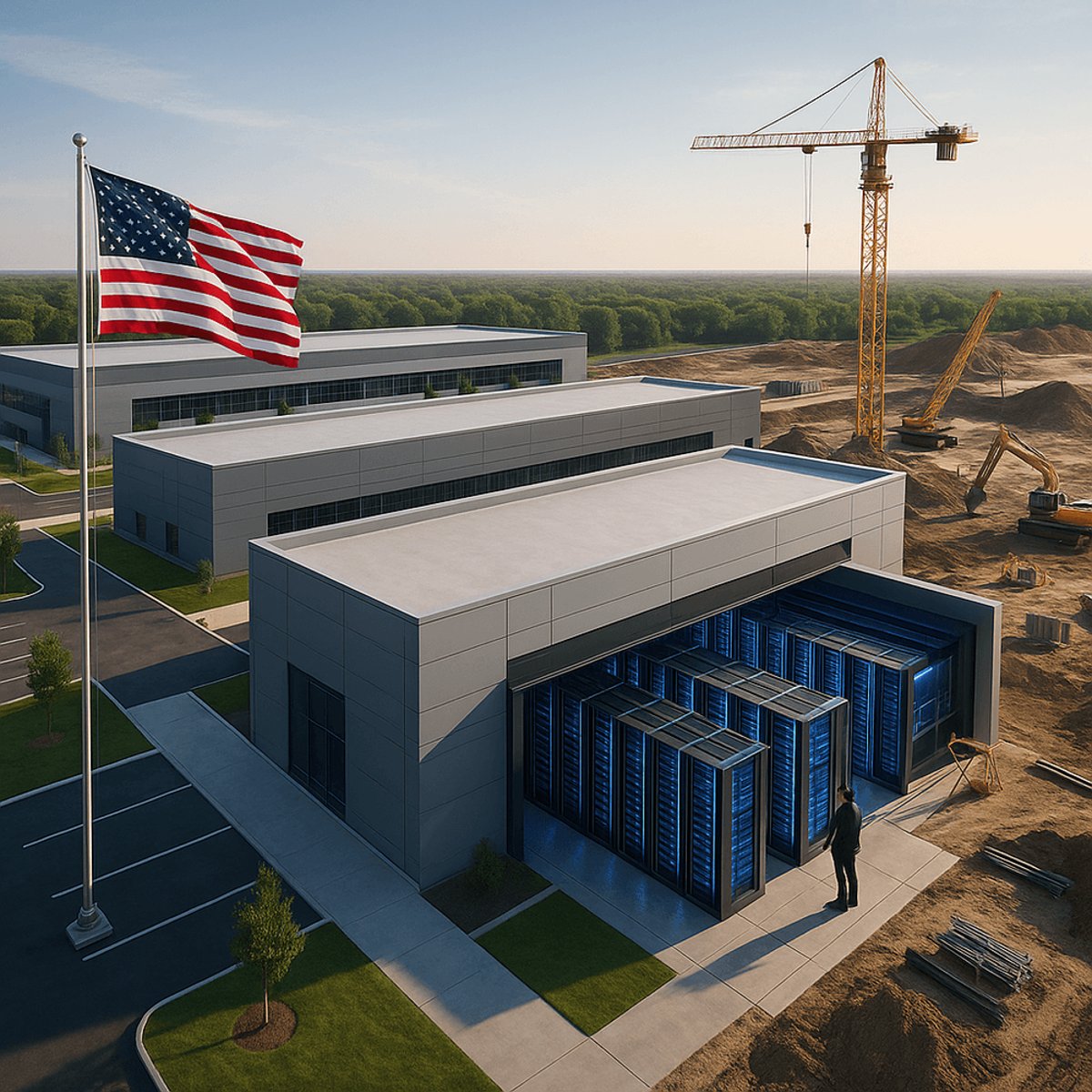
Anthropic just threw down a $50 billion bet on American AI infrastructure, announcing plans for custom data centers in Texas and New York that'll go live in 2026. The move puts the Claude maker in direct competition with OpenAI's $1.4 trillion infrastructure arms race, while positioning itself as a major domestic player as Washington focuses on U.S.-based compute sovereignty.
Anthropic just escalated the AI infrastructure wars with a massive $50 billion commitment to U.S. data center buildout, starting with custom facilities in Texas and New York that'll power its next-generation Claude models. The announcement Wednesday puts the company on a collision course with OpenAI, which has already locked in over $1.4 trillion worth of infrastructure deals.
The facilities will be built through a partnership with Fluidstack, an AI cloud platform that already supplies GPU clusters to Meta, Midjourney, and Mistral. "We're getting closer to AI that can accelerate scientific discovery and help solve complex problems in ways that weren't possible before," CEO Dario Amodei said in a statement. "These sites will help us build more capable AI systems that can drive those breakthroughs, while creating American jobs."
The timing couldn't be more strategic. While OpenAI has been making headlines with trillion-dollar infrastructure promises involving Nvidia, Broadcom, Oracle, and the major cloud providers, Anthropic is taking a different approach - building its own dedicated facilities optimized specifically for its AI workloads.
The numbers tell a compelling story. Anthropic now serves over 300,000 businesses, with enterprise clients driving most of its revenue. Large accounts generating over $100,000 annually have increased nearly sevenfold in the past year. According to internal projections obtained by The Wall Street Journal, Anthropic expects to break even by 2028 - well ahead of OpenAI, which is projecting $74 billion in operating losses that same year.
This infrastructure blitz comes as questions mount about whether the U.S. has the power capacity and industrial backbone to deliver on the AI sector's massive promises. The scale of spending has some analysts wondering if we're witnessing an AI bubble in the making, but Anthropic seems confident in its approach.
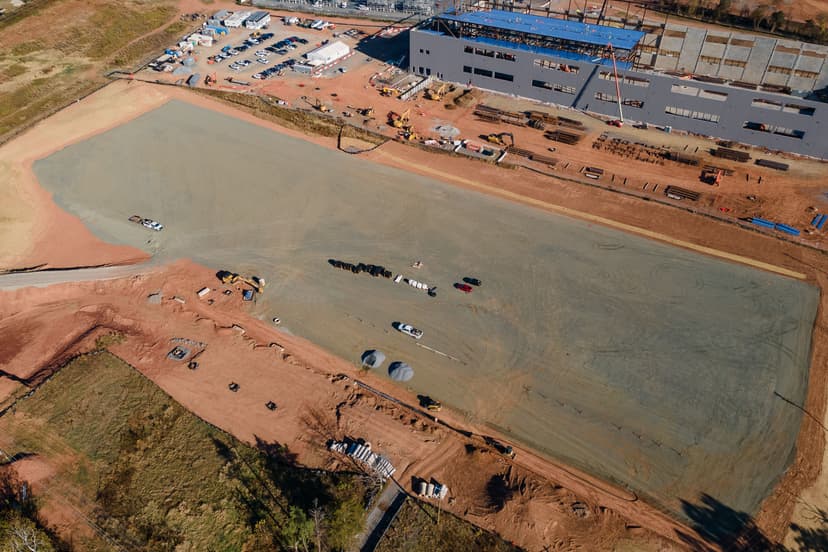
The company already has significant infrastructure partnerships in place. Amazon opened an $11 billion dedicated data center campus for Anthropic on 1,200 acres in Indiana, which is already operational while many competitors are still making promises about future facilities. Anthropic has also expanded its compute deal with Google by tens of billions of dollars.
Fluidstack's involvement signals Anthropic's focus on speed and scale. The AI cloud platform has proven it can deliver gigawatts of power on short timelines - exactly what Anthropic needs to stay competitive in the rapidly evolving AI landscape. The first locations are expected to go live in 2026, with additional sites to follow as demand grows.
The announcement also comes as Washington grapples with how to fund America's AI infrastructure. Last week, OpenAI asked the Trump administration to expand CHIPS Act tax credits to include AI data centers and grid components, according to a letter obtained by Bloomberg. The request followed backlash over comments from OpenAI CFO Sarah Friar about potential government "backstops" for the company's compute deals.
Where OpenAI has stumbled into political controversy over federal guarantees, Anthropic is positioning itself as the responsible alternative - investing its own capital in American infrastructure while creating thousands of jobs. The 800 permanent positions and 2,000 construction roles represent a significant economic impact for Texas and New York.
This infrastructure race reflects deeper strategic differences between the AI leaders. While OpenAI pursues massive scale through partnerships with existing cloud providers, Anthropic is betting on custom-built facilities that give it more control over its destiny. It's a classic build-versus-buy decision that could determine which company dominates the next phase of AI development.
Anthropic's $50 billion infrastructure bet represents more than just a response to OpenAI's spending spree - it's a fundamental strategic pivot toward owning its AI destiny. While competitors chase partnerships and government backing, Anthropic is building the foundation for long-term independence. With profitability projected by 2028 and custom facilities coming online in 2026, the company is positioning itself as the financially sustainable alternative in an industry plagued by massive losses. The real test will be whether this infrastructure advantage translates into AI capabilities that can compete with OpenAI's scale.