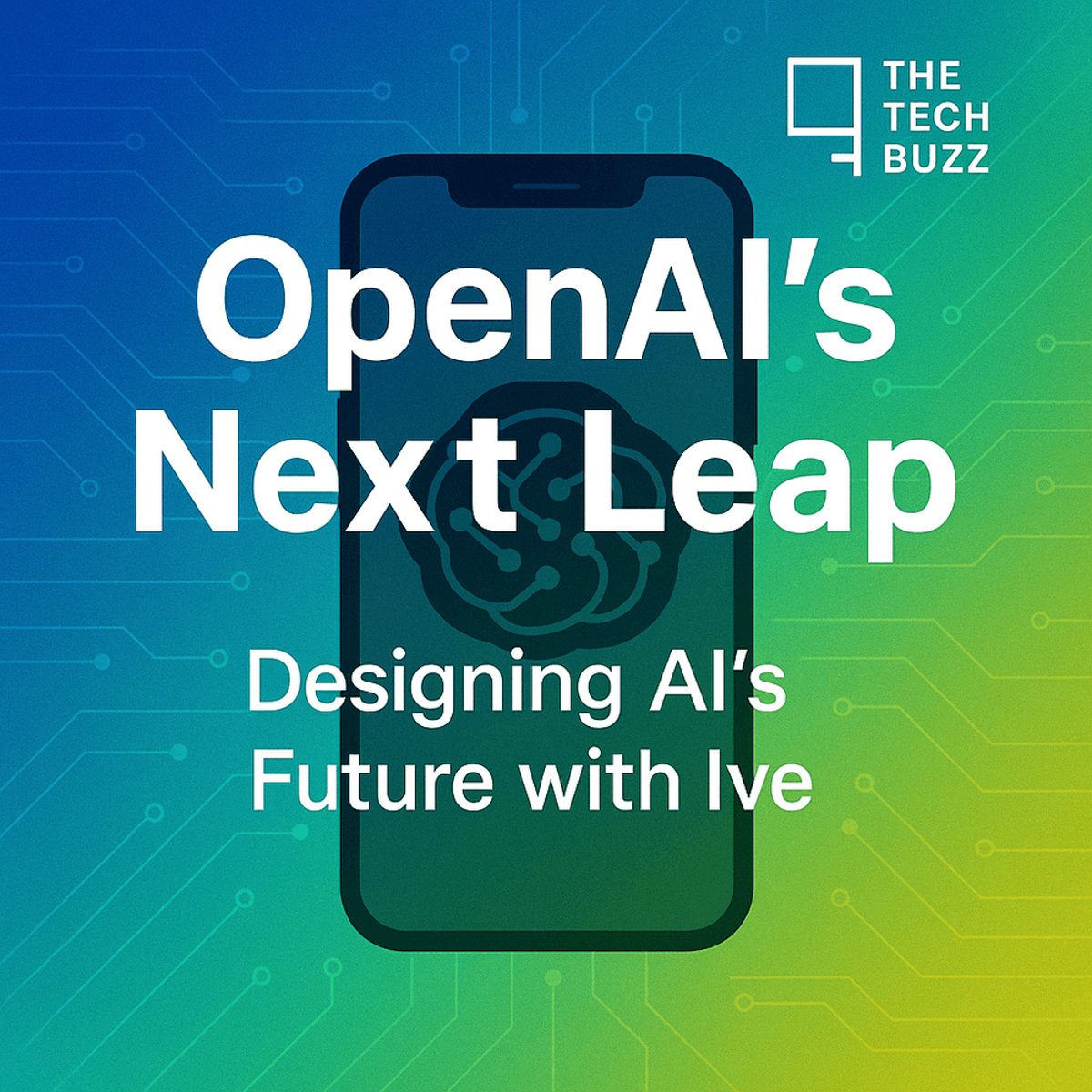
OpenAI is embarking on an ambitious project to redefine human-AI interactions by tapping into the design genius of Jony Ive, the former head of design at Apple. This move represents a $6.5 billion investment aiming to capture the spirit of innovation that marked the launch of the iPhone.
The strategy involves leveraging Jony Ive's unparalleled design expertise to explore new frontiers in AI technology and experience. OpenAI's CEO, Sam Altman, envisions a future where interacting with AI is not only functional but also intuitively seamless, similar to how the iPhone revolutionized mobile technology. The collaboration seeks to integrate cutting-edge AI capabilities with transformative product design, turning complex AI tools into user-centric platforms that can be as ubiquitous and easy to use as mainstream consumer technology today.
This initiative is seen as a significant investment in not just technological advancement but also in crafting an AI that can resonate with users on a personal level. The potential to develop a new "killer app" akin to the smartphone era suggests that OpenAI isn't merely content with technological lead but is also looking to set cultural and design standards for AI applications. Beyond hardware, the focus is on creating systems capable of natural and effective communication with users, challenging current paradigms in human-machine interaction.
As the industry keenly watches these developments, the implications of this move are immense. If successful, OpenAI could carve a new niche where AI is seamlessly integrated into everyday life, reshaping norms and setting new benchmarks in AI interactivity and usability. Such aspirations highlight OpenAI's commitment to broadening its impact and leading the next wave of AI-driven transformation across industries and consumer interactions.