Smartphone sticker shock is about to get worse. Nothing CEO Carl Pei just dropped a stark warning to anyone eyeing a phone upgrade: the best time to buy was yesterday. In a candid post on X, Pei revealed that RAM costs for the company's mid-range Phone 4A doubled between initial planning and launch, then doubled again since release. With memory now eating up over half the cost of a new device, the entire industry is bracing for a pricing crisis that'll stretch into 2027.
Nothing CEO Carl Pei isn't sugarcoating the future of smartphone pricing. The industry veteran known for co-founding OnePlus before launching Nothing just told consumers exactly what's coming: higher prices, and lots of them.
"The best time was yesterday," Pei wrote in a post on X that's sending ripples through tech circles. The blunt assessment comes as Nothing grapples with a supply chain crisis that's fundamentally reshaping device economics. For the company's Phone 4A, memory costs doubled between the initial decision to build the device and its launch date. Then they doubled again.
That's a 4x increase in RAM costs in a matter of months, and Pei says it's not letting up. "Phone prices are going up, and they'll keep going up into next year," he warned, confirming what industry insiders have been whispering about for weeks.
The numbers tell a brutal story. Pei revealed that RAM can now account for over 50% of the cost of manufacturing a new phone. That's a seismic shift in the economics of smartphone production, where memory was traditionally just one component among many. Now it's the dominant cost driver, forcing manufacturers into impossible choices about pricing and margins.
Nothing isn't alone in sounding the alarm. During Mobile World Congress earlier this year, multiple smartphone manufacturers delivered similar warnings about the RAM shortage's impact on device pricing. The crisis stems from a perfect storm of supply constraints - surging demand from AI servers and data centers competing with phone makers for the same memory chips, coupled with production bottlenecks that haven't eased despite manufacturers' best efforts.
Android Authority was first to spot Pei's comments, which arrive just as consumers are eyeing their next upgrade cycle. The timing couldn't be worse for budget-conscious buyers. Mid-range phones like Nothing's Phone 4A were supposed to be the sweet spot - decent specs without flagship prices. But when memory costs quadruple, that value proposition collapses fast.
The RAM shortage has been building for months, hitting PC makers first before cascading into the mobile sector. What started as spot shortages has evolved into a structural supply crunch that's forcing the entire consumer electronics industry to recalibrate. Memory manufacturers are racing to expand production capacity, but new fab facilities take years to come online.
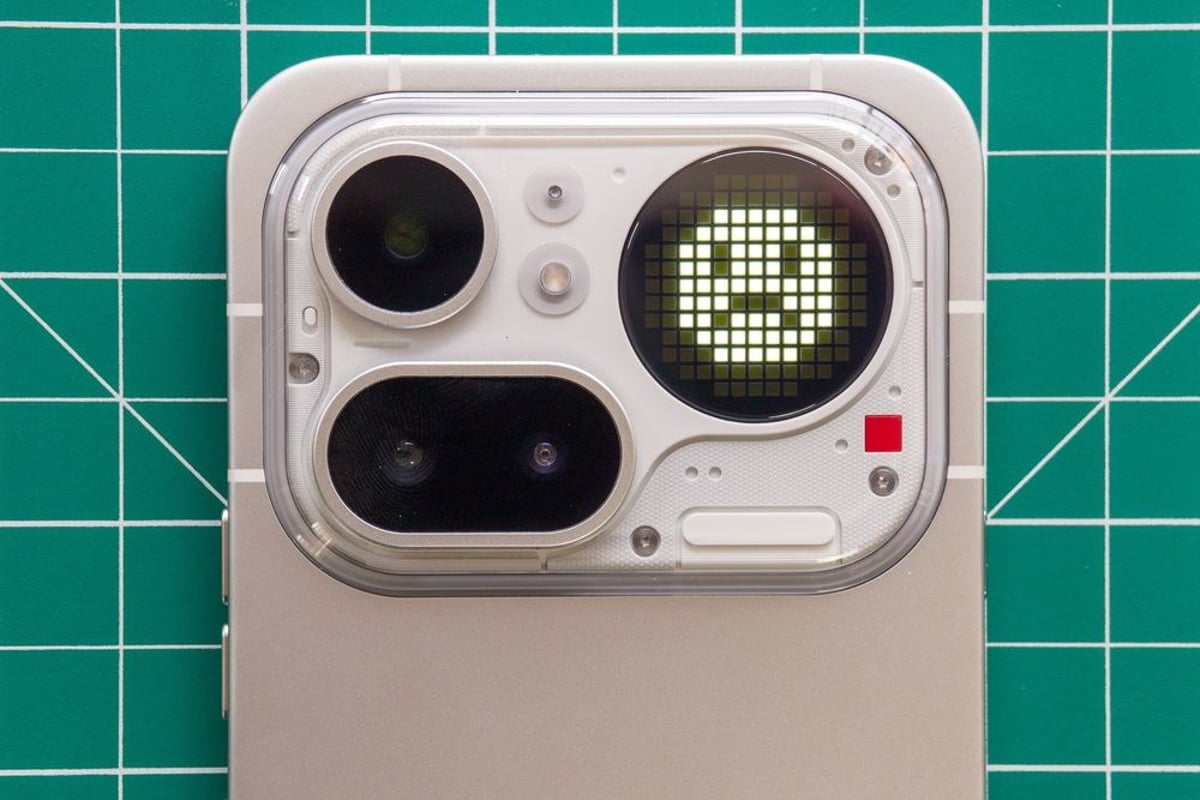
For Nothing, a company that's built its brand on delivering distinctive design at competitive prices, the cost squeeze poses an existential challenge. The Phone 4A Pro launched earlier this year with Nothing's signature transparent design and Glyph interface, targeting the mid-range market where price sensitivity runs high. But maintaining that positioning becomes nearly impossible when your core component costs are doubling every few months.
Pei's warning also carries weight because of his track record. At OnePlus, he pioneered the "flagship killer" category, proving you could deliver premium specs at mid-tier prices. That playbook worked when supply chains were stable and component costs predictable. This new reality of volatile memory pricing upends those assumptions completely.
The ripple effects extend beyond Nothing. Samsung, Apple, and Chinese manufacturers are all facing the same math. When RAM costs spike, everyone either absorbs the hit to margins or passes it to consumers. In a competitive market, most will choose the latter. That means the next generation of phones across every price tier will likely carry higher MSRPs than their predecessors.
Consumers are left with an uncomfortable calculus: upgrade now at today's inflated prices, or wait and potentially pay even more. There's no relief valve in sight. Memory spot prices haven't shown signs of cooling, and with AI infrastructure buildouts accelerating, competition for RAM chips will only intensify. The data center boom that's powering the AI revolution is directly competing with consumer electronics for the same memory supply.
What makes this crisis particularly challenging is its unpredictability. Phone makers typically lock in component pricing months before launch, building financial models around those assumptions. But when costs double mid-cycle, those plans evaporate. It's forcing manufacturers to make real-time pricing adjustments, something the industry isn't structured to handle gracefully.
Pei's warning is a rare moment of transparency in an industry that typically keeps supply chain struggles behind closed doors. For consumers, the message is clear: the smartphone pricing environment is fundamentally changing, and not in their favor. Whether manufacturers can navigate this crisis without alienating buyers will define the next chapter of the mobile market. In the meantime, anyone considering an upgrade faces a choice with no good options - buy now and overpay, or wait and likely pay even more. The RAM shortage has turned phone shopping into a losing game of chicken with the supply chain.