Ring, Amazon's home security subsidiary, is democratizing its AI-powered pet finder. The company just opened Search Party to anyone with a smartphone, not just Ring camera owners, through its free Neighbors app. Since launching in September, the feature's helped reunite more than one lost dog daily with owners, according to Ring. The expansion comes as the company commits $1 million to equip animal shelters nationwide with camera systems and prepares a Super Bowl commercial despite ongoing privacy concerns.
Ring is betting big on lost pets. The Amazon-owned doorbell giant just threw open the gates to Search Party, its AI-powered pet detection service, letting anyone in the US hunt for missing animals through its free Neighbors app - no Ring hardware required.
The move marks a significant shift in strategy for a feature that launched just five months ago exclusively for Ring camera owners. Now anyone can upload a photo of their missing dog or cat, tapping into a sprawling network of AI-enabled Ring cameras that scan for matches and ping owners when their pet wanders past a neighbor's front door.
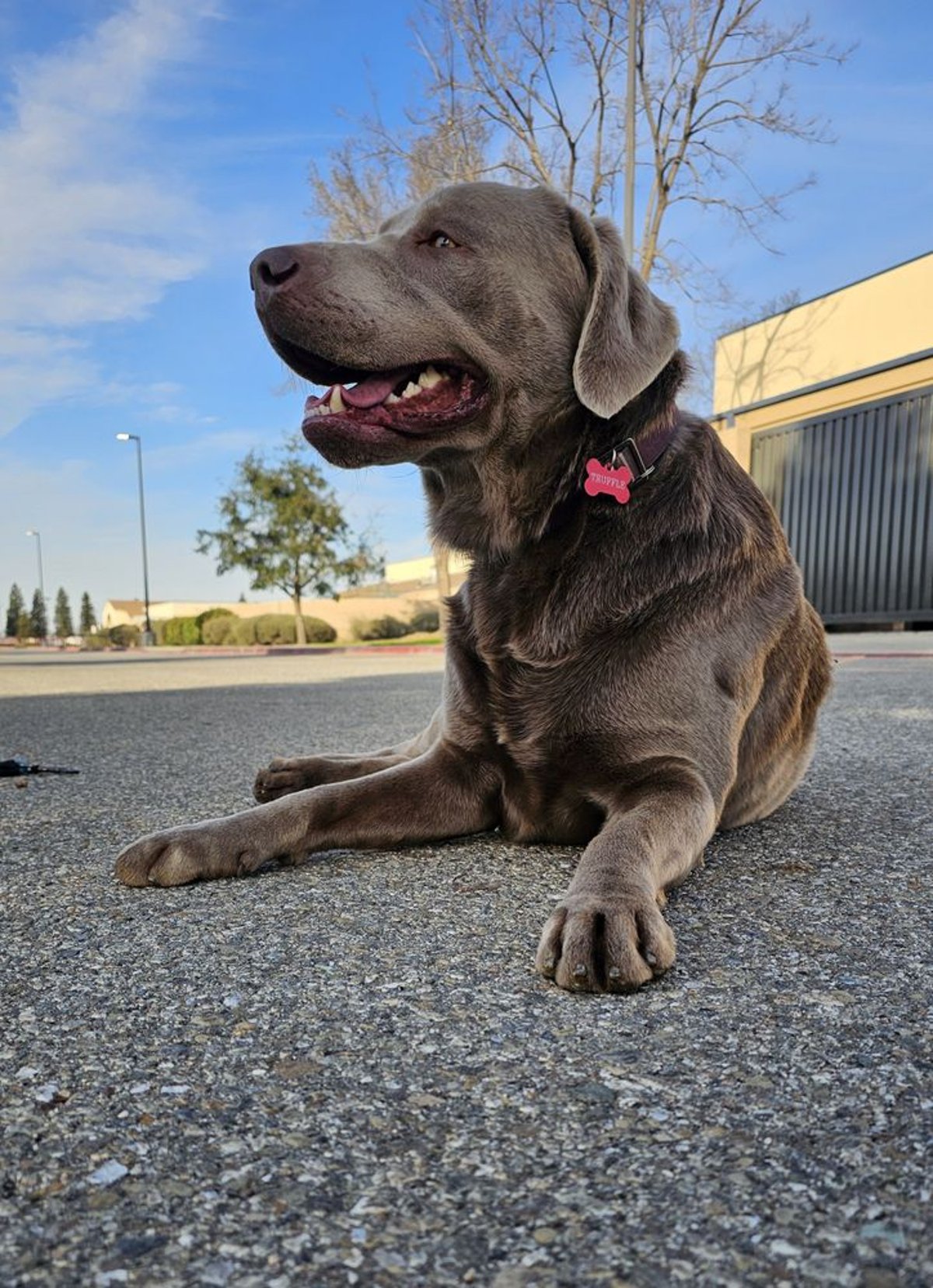
Ring claims the service has reunited owners with "more than one lost dog a day" since September - over 365 successful recoveries if you do the math. The company's pushing that heartwarming narrative hard, even planning a Super Bowl commercial to showcase stories like Truffle, a chocolate lab found through the system.
But the expansion comes with baggage. Search Party sparked immediate backlash when it defaulted to opt-in at launch, automatically enrolling Ring owners' cameras in the pet-scanning network without explicit consent. Critics questioned whether people understood their devices were now running object detection algorithms on neighborhood animals.
The privacy concerns run deeper than pets. Ring's complicated history with law enforcement - including partnerships that let police request doorbell footage - has civil liberties groups on edge about expanding surveillance capabilities. The company's CEO Jamie Siminoff has defended the camera network as a community safety tool, but skeptics see a slippery slope from lost pets to facial recognition.
Ring's doubling down anyway. The company's pledging $1 million to install camera systems at animal shelters nationwide, creating institutional hubs for the Search Party network. It's a clever play - shelters get free security hardware while Ring builds infrastructure for a service that keeps users engaged with its ecosystem.
The technical implementation is straightforward. Users download the Neighbors app, register their missing pet with a photo, and the system distributes that image across participating Ring cameras. When a camera's onboard AI spots a potential match, it alerts both the camera owner and the pet's owner through the app. No Ring purchase necessary - just a smartphone and a missing animal.
For Amazon, the expansion fits a broader pattern of leveraging AI to create stickiness beyond hardware sales. Search Party doesn't require buying a $100 doorbell, but it introduces millions of potential customers to Ring's ecosystem and the Neighbors app, which also shares crime alerts and community updates. It's the same playbook that turned Alexa from a speaker feature into a platform.
The timing is strategic too. Super Bowl ads don't come cheap, but Ring's betting that feel-good pet reunion stories will soften its image as a surveillance company. The ad blitz suggests Amazon sees Search Party as more than a niche feature - it's a wedge into a broader market of pet owners who might not otherwise consider Ring cameras.
Whether that bet pays off depends on how users balance utility against unease. Finding a lost dog is undeniably valuable, but it requires accepting that a network of AI cameras is constantly scanning the neighborhood. Ring's hoping the emotional pull of pet rescue outweighs the creep factor of ambient surveillance. The Super Bowl audience will be the first major test of that hypothesis.
Ring's Search Party expansion reveals Amazon's long game: turn surveillance infrastructure into a consumer service so compelling that privacy concerns become background noise. By opening the feature to non-owners and bankrolling shelter camera installations, the company's building a network effect that makes its AI monitoring feel less like Big Brother and more like a neighborhood watch for pets. Whether that reframes the privacy debate or just delays it depends on how comfortable Americans get with AI cameras tracking everything that moves past their doorstep - furry or otherwise.