Robinhood CEO Vlad Tenev just delivered one of the boldest predictions about crypto's future at Singapore's Token2049 conference. He says tokenization of real-world assets - from stocks to real estate - is an unstoppable "freight train" that will consume the entire global financial system within years, not decades. The timing couldn't be more significant as institutional giants like BlackRock and Morgan Stanley are already making their moves.
Robinhood CEO Vlad Tenev just threw down the gauntlet on crypto's biggest promise. Speaking at Singapore's Token2049 conference, he declared that tokenization of real-world assets isn't just coming - it's an unstoppable force that will fundamentally reshape global finance.
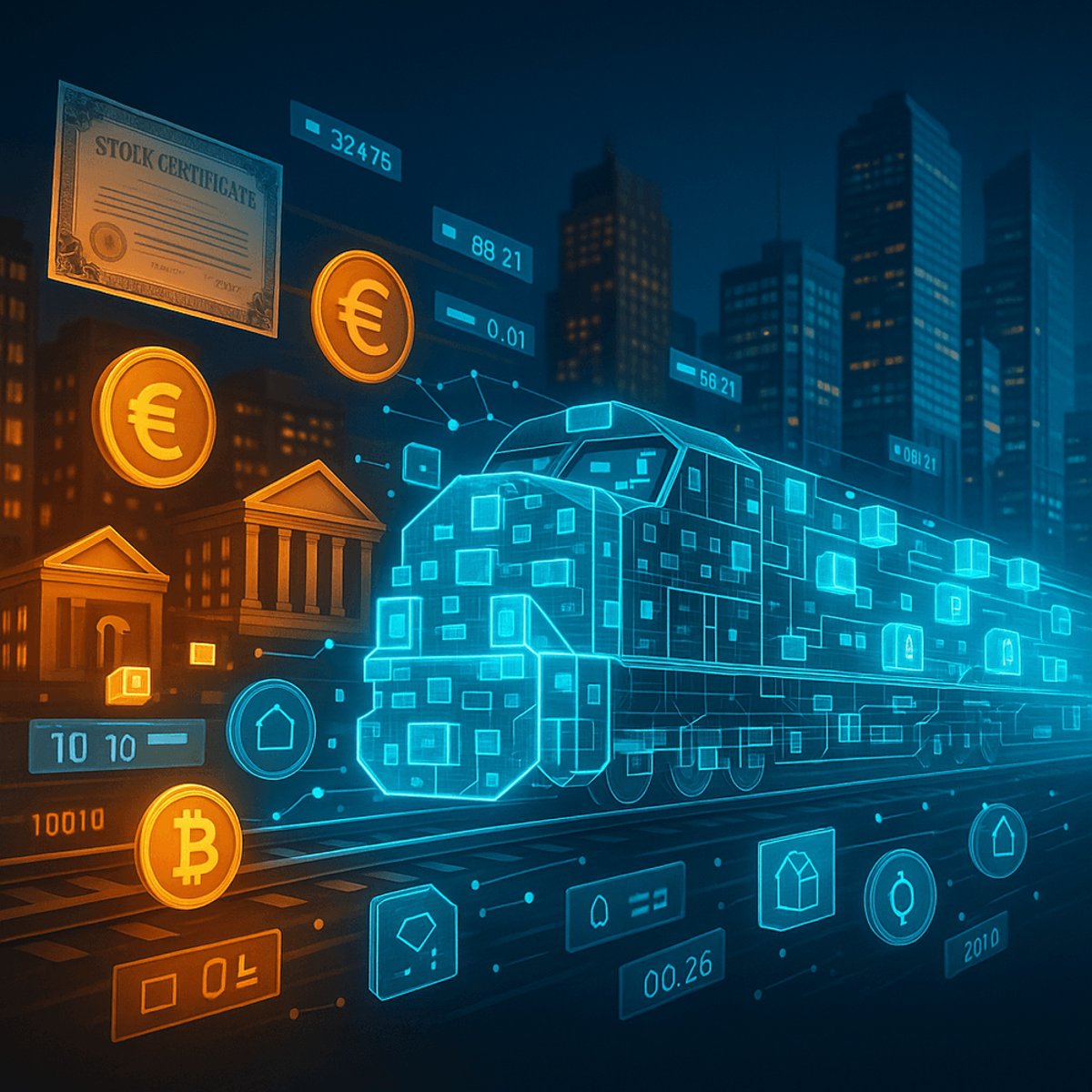
"Tokenization is like a freight train. It can't be stopped, and eventually it's going to eat the entire financial system," Tenev told the packed panel. His timeline is surprisingly aggressive: most major markets will have tokenization frameworks within five years, though reaching full adoption could take more than a decade.
The prediction carries weight because Robinhood isn't just talking about tokenization - they're already doing it. In June, the company launched over 200 tokenized US stocks for European Union customers, creating a new pathway for international investors to access American markets. The announcement sent Robinhood's stock surging to record highs, proving investors believe in the model's potential.
Tokenized assets represent real-world investments like stocks, bonds, or commodities as digital tokens on blockchain networks. Think of it as creating a digital twin of a traditional asset that can be traded 24/7 with lower fees and fewer intermediaries. For Robinhood's EU customers, this means buying tokenized Apple or Tesla shares without dealing with traditional cross-border trading complexities.
"I think it will become the default way to get exposure to US stocks outside the US," Tenev said. He's betting that regulatory clarity in Europe will accelerate adoption, then spread globally. The EU's Markets in Crypto-Assets regulation, which went into effect this year, provides the framework that makes tokenized securities legally viable.
But here's the twist - Tenev expects America to lag behind. Despite being home to the world's largest stock markets, he predicts the US will be "among the last economies to actually fully tokenize" because of what he calls the "greater sticking power" of existing financial infrastructure. Translation: when you've got the most powerful traditional finance system in the world, there's less urgency to rebuild it.
This isn't just Robinhood talking its book. Wall Street's biggest players are moving fast on tokenization. BlackRock has been experimenting with tokenized funds, while Morgan Stanley announced plans to offer crypto trading to wealth management clients. These aren't fringe moves - they're strategic bets on where finance is heading.
Tenev drew parallels to stablecoins, which he sees as early proof of concept for tokenized real-world assets. These dollar-pegged cryptocurrencies have exploded to over $170 billion in market cap precisely because they bridge traditional value with crypto-native infrastructure. "I think that crypto technology has so many advantages over the traditional way we're doing things that in the future there's going to be no distinction," he said.
The implications extend far beyond stocks. Real estate, commodities, art, and even intellectual property could all become tokenized and tradeable 24/7. Imagine buying a fraction of a Manhattan office building or a share in a patent portfolio with the same ease as purchasing a meme coin.
What makes Tenev's prediction particularly compelling is the timing. Crypto markets are showing renewed institutional interest, regulatory frameworks are solidifying in major jurisdictions, and the technology itself has matured significantly. The infrastructure for tokenized assets - from custody solutions to trading platforms - is already being built by companies like Robinhood.
"I actually think cryptocurrency and traditional finance have been living in two separate worlds for a while, but they're going to fully merge," Tenev concluded. That merger isn't a distant possibility - it's happening right now, one tokenized asset at a time.
Tenev's "freight train" metaphor captures something important about tokenization - it's not a question of if, but when and how fast. With Robinhood already proving the model works in Europe and Wall Street giants preparing their own moves, the convergence of traditional finance and crypto infrastructure looks increasingly inevitable. The race isn't just about who adopts tokenization first, but who builds the rails for this particular freight train to run on.