AI-generated cinema just landed on the biggest screens in America. Runway AI's partnership with Imax is bringing 10 AI-created films to theaters nationwide, sparking fierce debate about whether artificial intelligence belongs in filmmaking or represents the death of human creativity in Hollywood.
Runway AI just made its boldest move yet to legitimize artificial intelligence in Hollywood. The New York-based AI company's partnership with Imax is bringing 10 AI-generated films to premium theaters nationwide, marking the first time algorithmically-created cinema has received such mainstream theatrical treatment. The collaboration represents a watershed moment for an industry grappling with AI's creative potential versus its perceived threat to human artistry.
The screening program, which premiered at Lincoln Center's prestigious Alice Tully Hall this summer, features winners from Runway's 2025 AI Film Festival. Created using the company's Gen-4 software, these shorts demonstrate what Runway CEO Alejandro Matamala Ortiz calls 'tools for human imagination.' The films showcase the platform's ability to generate characters, lighting schemes, and immersive scenes that theoretically could comprise an entire movie.
'We were all frustrated filmmakers,' Ortiz told Wired, explaining how he and his NYU Tisch School co-founders developed their AI platform. 'We wanted to build the tools that we wanted to use.' That origin story positions Runway as filmmaker-friendly rather than a disruptive outsider, crucial messaging as the company seeks industry acceptance.
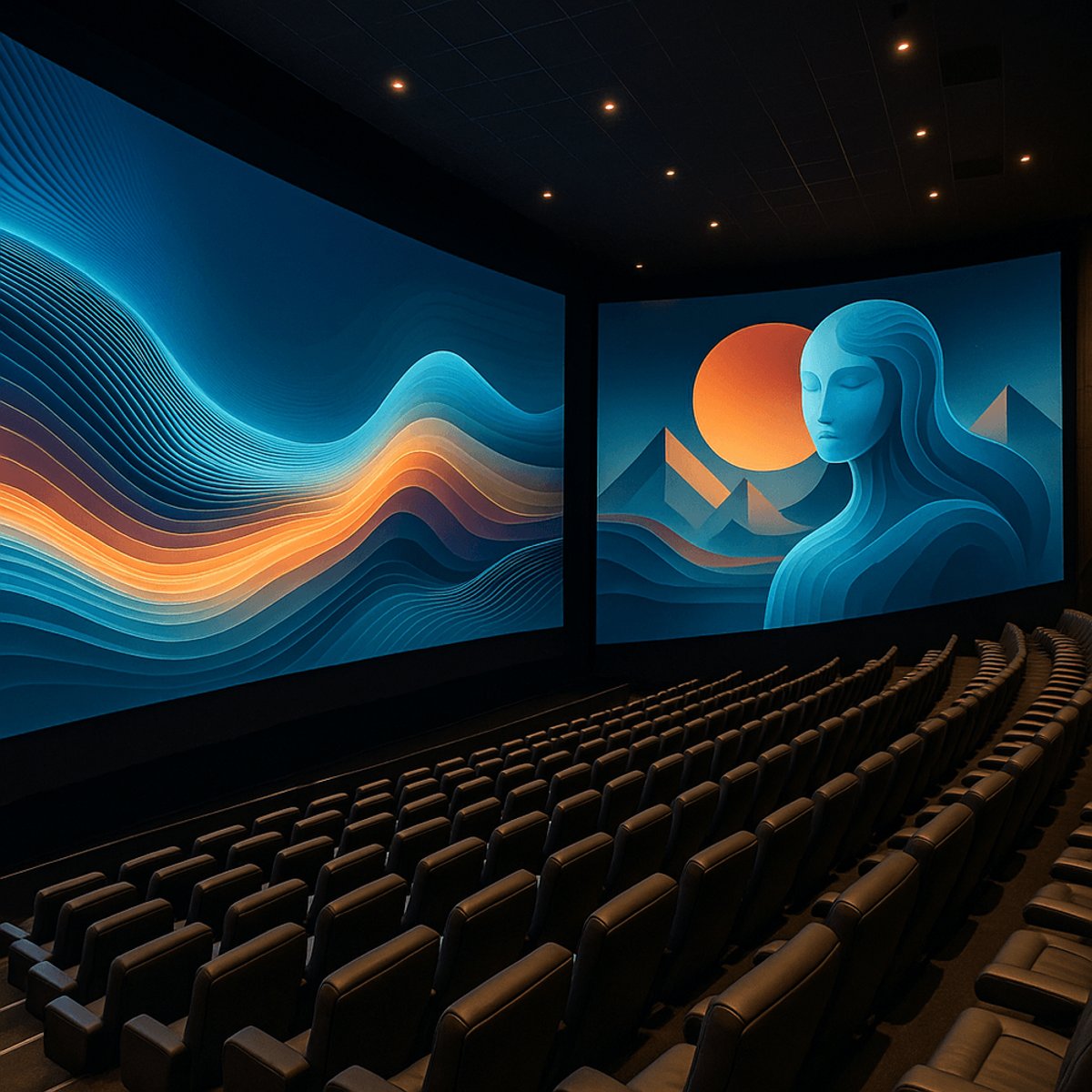
The Imax partnership amplifies this legitimization effort exponentially. By screening AI films on premium large-format screens typically reserved for blockbusters like Denis Villeneuve's Dune franchise, Runway is forcing audiences to confront AI cinema as serious artistic expression rather than mere novelty. The move comes as Hollywood grapples with AI's role following last year's strikes that highlighted creative workers' concerns about algorithmic replacement.
Yet the festival has sparked fierce industry division. Cinephiles dismiss the works as sophisticated 'slop' – the pejorative term for AI-generated content flooding digital platforms. Critics argue that generative AI, which trains on existing human-created imagery, cannot possess genuine artistic vision or values. As filmmaker Paul Schrader provocatively asked about potential AI involvement in major productions: 'How will we know?'
Defenders counter that AI represents natural technological evolution, comparable to digital filmmaking's emergence decades ago. Runway's approach emphasizes human collaboration, positioning AI as enhancement rather than replacement for creative professionals. The company markets its tools as empowering independent filmmakers with previously inaccessible production capabilities.
The timing proves strategic for Runway, which competes with OpenAI's Sora and other video generation platforms in the rapidly expanding AI media market. By partnering with established entertainment infrastructure like Imax, the company gains credibility crucial for enterprise adoption. Hollywood studios increasingly experiment with AI for concept art, pre-visualization, and post-production workflows.
Beyond technical capabilities, the festival raises fundamental questions about AI's creative authenticity. Can algorithms possess artistic intent, or do they merely execute sophisticated pattern matching? The Imax screening format forces these philosophical debates into mainstream consciousness, where audiences must judge AI films by cinematic standards rather than technological novelty.
Industry observers note the partnership's broader implications for creative labor. If AI-generated films achieve theatrical legitimacy, traditional production roles from cinematographers to editors face potential displacement. Yet Runway frames its technology as democratizing rather than replacing human creativity, enabling smaller budgets to achieve previously impossible production values.
The Runway-Imax partnership represents more than technological demonstration – it's a cultural inflection point where AI creativity demands serious consideration alongside human artistry. Whether audiences embrace or reject these algorithmically-generated films will significantly influence AI's role in mainstream entertainment. The industry now faces a fundamental choice: integrate AI as collaborative tool or risk being disrupted by those who do.