Samsung's Galaxy S26 Ultra just got a lot more tempting. The flagship Android phone with the company's exclusive Privacy Display feature dropped to $1,099.99 - a $200 discount marking the first significant price cut since launch. The timing's strategic: the Ultra now sits just $100 above the less-capable S26 Plus, narrowing the gap between Samsung's premium tier and its mid-range offerings. For privacy-conscious users willing to spend big on phones, this might be the opening they've been waiting for.
Samsung just made its most ambitious phone of the year considerably easier to justify. The Galaxy S26 Ultra, which launched at $1,299.99 in March, dropped to $1,099.99 across major retailers this week - the first significant discount since the device hit shelves. The 256GB unlocked model is now available at that price from Amazon, Best Buy, and Samsung's own store.
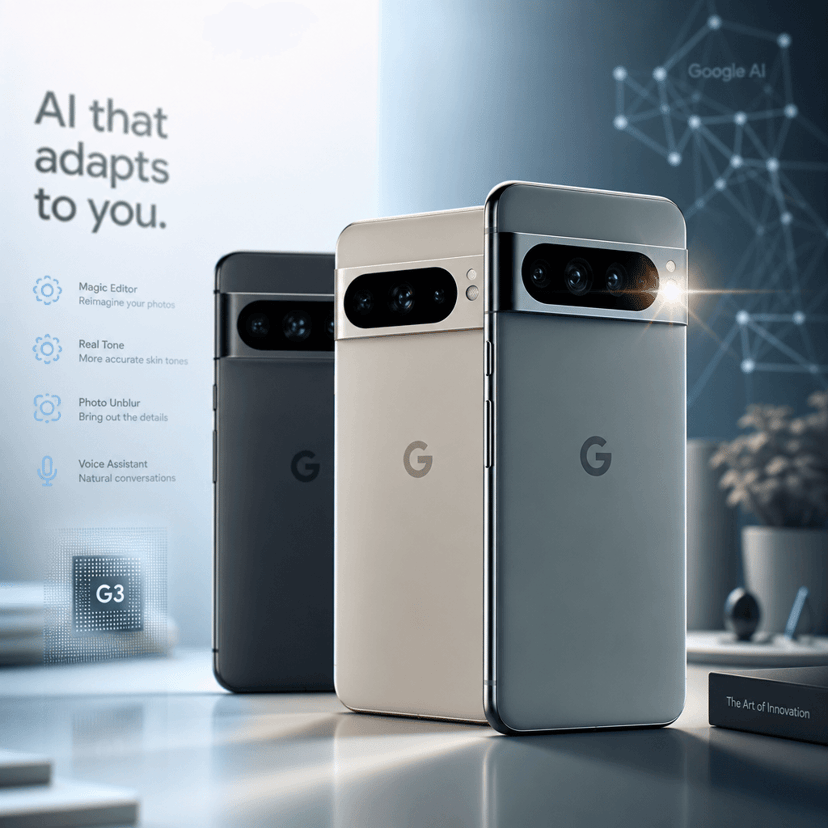
The discount comes at an interesting moment in the premium Android market. With Google's Pixel 10 gaining traction on the strength of its new magnet-based charging system and refined AI features, Samsung's pricing move looks defensive but smart. The $200 cut brings the S26 Ultra to within $100 of the S26 Plus, compressing the premium tier in a way that could pressure Google's pricing strategy.
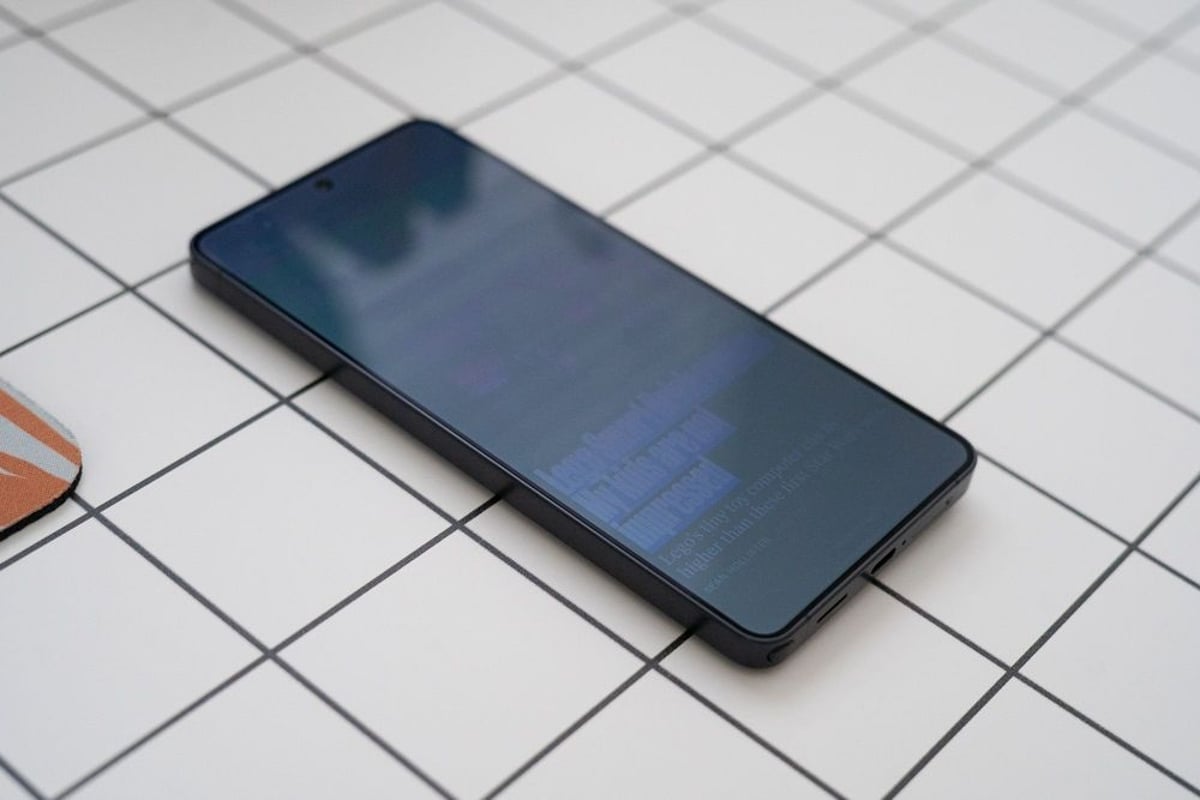
What you're paying for with the Ultra is Samsung's Privacy Display technology - a polarizing filter that darkens the screen when viewed from angles, making it nearly impossible for someone shoulder-surfing on a train or plane to see what you're doing. According to The Verge's review, the feature works remarkably well, though it's exclusive to the Ultra model. That exclusivity now costs $100 instead of $200, a meaningful shift for anyone who handles sensitive information on the go.
The hardware backing that privacy feature remains Samsung's most capable mobile package. The 6.9-inch OLED display hits 3120 x 1440 resolution with a 120Hz refresh rate, while dual telephoto lenses provide multiple optical zoom levels without the digital artifacts that plague cheaper phones. The S26 Ultra is also the only phone in Samsung's current lineup that ships with and supports the S Pen stylus, maintaining a niche that keeps power users locked into the Ultra tier.
But Samsung's skipping one feature that's becoming standard elsewhere: magnetic wireless charging. While the S26 Ultra supports Qi2 charging up to 25W - faster than the rest of the S26 series - it lacks the magnets that make Google's Pixel 10 and Apple's iPhone lineup easier to align on charging pads. You can add magnets via third-party cases, but it's a telling omission from a phone positioned as Samsung's flagship.
The pricing cascade extends beyond the Ultra. Samsung's base S26, originally $899.99, now sits at $799.99 for the 256GB model. The S26 Plus dropped from $1,099.99 to $999.99, offering a bigger screen, higher resolution, and faster 20W wireless charging compared to the base model's 15W. The Ultra's discount compresses the entire lineup into a $300 range, from $799.99 to $1,099.99, instead of the $500 spread at launch.
This aggressive repricing just weeks after launch suggests Samsung's feeling pressure from multiple directions. Google's Pixel 10 is winning design plaudits, while Apple's continued dominance in the premium tier leaves Android manufacturers fighting for the remainder. Early S26 sales figures haven't been disclosed, but discounts of this magnitude this quickly typically signal softer-than-expected demand.
For consumers, though, the math just got easier. The S26 Ultra at $1,099.99 undercuts the iPhone 15 Pro Max and sits competitively against Google's Pixel 10 Pro. The Privacy Display remains the Ultra's most distinctive feature - a niche play for a specific user base, but one that's now priced aggressively enough to pull in buyers who might have otherwise settled for the Plus.
The question is whether this pricing holds or represents an early promotional push. Samsung typically reserves major discounts for later in a device's lifecycle, not within the first two months. If the $1,099.99 price sticks, it could force a broader repricing across the premium Android market. If it's temporary, expect the Ultra to drift back toward $1,200-plus as inventory normalizes.
Samsung's aggressive pricing on the S26 Ultra signals a shift in how quickly premium phones need to discount to stay competitive. The $200 cut makes the Privacy Display feature accessible to more users while compressing Samsung's entire lineup into a tighter price range. For anyone who prioritized privacy but balked at the launch price, this is the window. Whether it lasts or represents a temporary promotional strategy will determine if we're seeing a new norm for flagship pricing or just an early adjustment to softer demand.