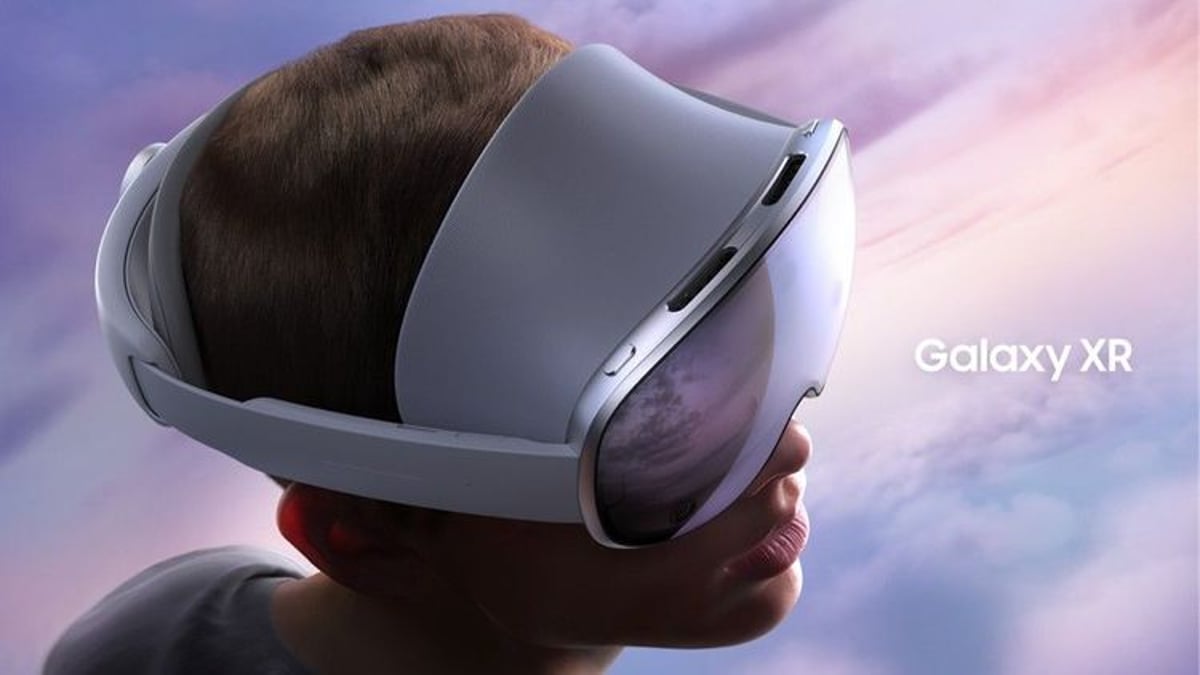
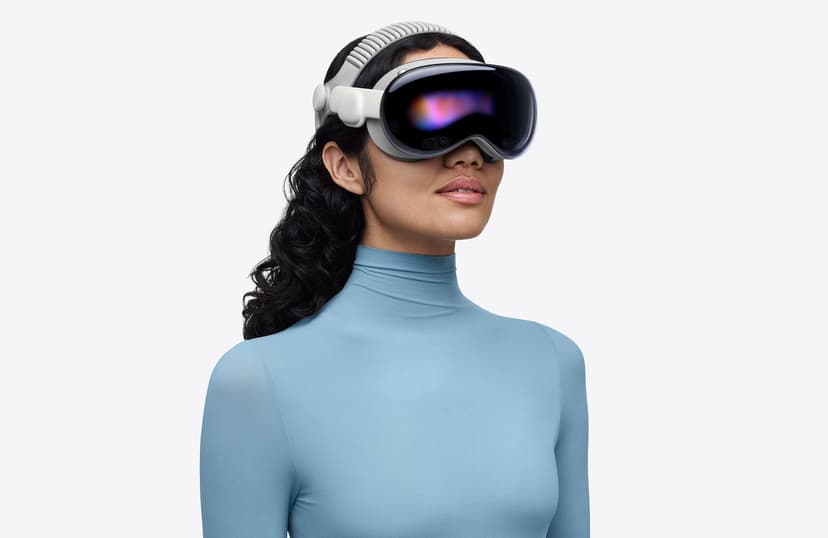
Samsung just dropped a bombshell that could reshape the entire mixed reality landscape. The tech giant launched Galaxy XR, the first consumer headset running Android XR - a completely new platform co-developed with Google and Qualcomm that puts Gemini AI at the center of everything. This isn't just another VR headset; it's Samsung's bet on making XR mainstream through intelligent, natural interactions.
Samsung just fired the first real shot at Apple's Vision Pro dominance. Galaxy XR isn't just another headset - it's the foundation of an entirely new ecosystem that could finally make mixed reality click for everyday users.
The device launches on Android XR, a platform that Samsung, Google, and Qualcomm spent years building from scratch. Unlike previous XR platforms that felt like afterthoughts, Android XR has Gemini AI baked in at the system level. "Galaxy XR doesn't feel like a tool following users' commands but a new type of AI companion," according to Samsung's official announcement.
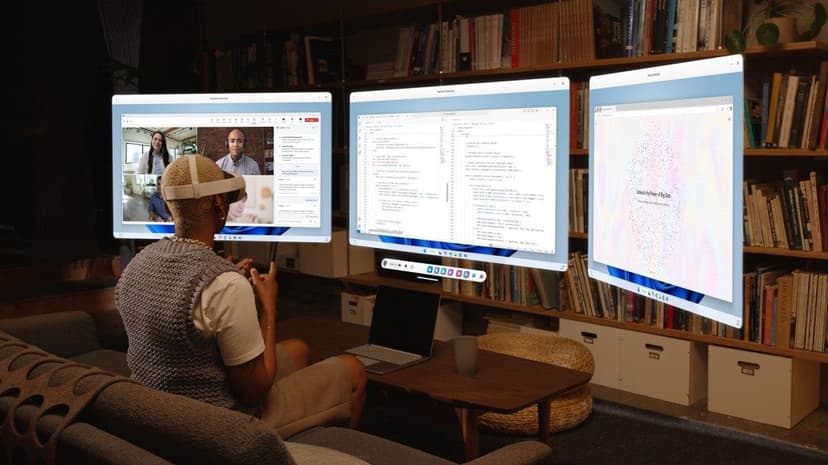
That AI integration shows up everywhere. Users can ask Gemini to find YouTube videos, get restaurant recommendations while exploring 3D Google Maps, or use Circle to Search by drawing circles in the air around real-world objects. The headset sees what you see, hears what you hear, and responds conversationally - a far cry from the command-based interactions that made earlier XR devices feel clunky.
"Android XR is the first Android platform built entirely for the Gemini era," Google's Sameer Samat told press during the launch event. The collaboration runs deep - all existing Android apps work immediately on Galaxy XR without modification, giving the platform an instant software library that dwarfs Meta's Quest ecosystem.
The hardware specs reveal Samsung's serious intentions. Galaxy XR packs dual 4K Micro-OLED displays with 27 million pixels total, Qualcomm's latest Snapdragon XR2+ Gen 2 processor, and 16GB of memory. Six world-facing cameras handle mixed reality passthrough while four eye-tracking cameras enable precise gaze control. The separate battery pack keeps weight down to 545 grams - notably lighter than Apple's Vision Pro.
Qualcomm's Alex Katouzian emphasized the enterprise angle: "Galaxy XR will help bring new use cases across various industries." Samsung's already partnering with Samsung Heavy Industries for virtual shipbuilding training and tapping Qualcomm's Snapdragon Spaces ecosystem for business applications.
But Samsung's real ambition extends beyond headsets. The company's developing AI glasses in partnership with fashion brands Warby Parker and Gentle Monster. These devices will connect seamlessly to the Android XR ecosystem, creating what Samsung calls "boundary-free discovery, work and play." It's a direct challenge to Meta's Ray-Ban smart glasses and signals Samsung's long-term XR strategy.
Battery life remains the reality check - Galaxy XR delivers just 2.5 hours of video playback or 2 hours of general use. That's similar to Vision Pro but still limits extended sessions. The device supports charging while in use, though that tethered experience defeats some of the wireless freedom XR promises.
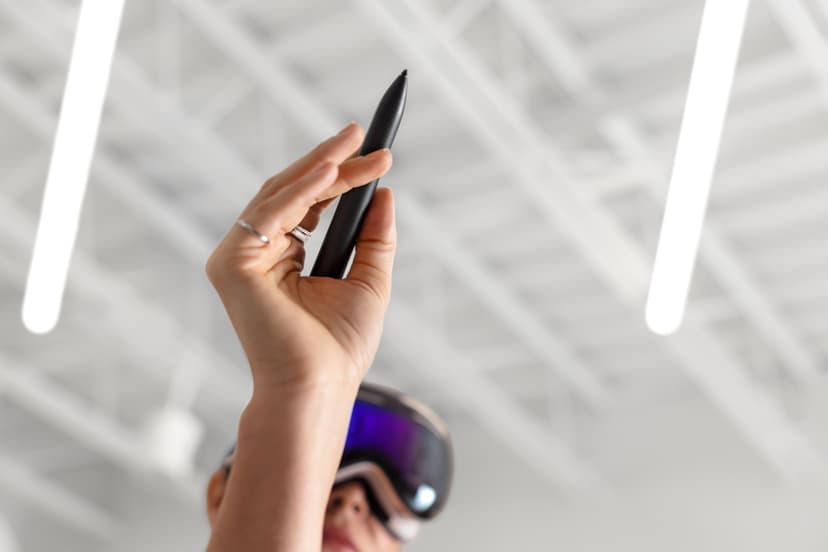
Early hands-on reports highlight the natural interaction model. Instead of memorizing gesture commands, users simply point, look, and speak naturally. Gemini understands context from your surroundings and previous actions, making the interface feel less like using a computer and more like having an intelligent assistant that happens to see the world through your eyes.
Enterprise adoption could drive initial sales, but Samsung's betting on consumer appeal through familiar Android experiences. YouTube, Chrome, and Google Photos all work in immersive environments, while native XR apps from Adobe and others add professional capabilities. The OpenXR and WebXR compatibility means developers can easily port existing VR content.
Market timing looks strategic. Apple's Vision Pro carried early adopter excitement but struggled with mainstream pricing and limited software. Samsung's Android XR approach offers broader app compatibility and potentially more competitive pricing, though Samsung hasn't announced Galaxy XR's cost yet.
Google's involvement adds credibility to Samsung's XR push. The search giant tried standalone VR with Cardboard and Daydream but retreated after lukewarm reception. Android XR represents Google's return to XR through Samsung's hardware expertise and established mobile relationships.
Industry watchers see this as the real test of whether XR can break out of gaming and enterprise niches. Samsung's betting that AI-first design and Android familiarity will succeed where previous approaches failed. The October 21-22 launch timing positions Galaxy XR for holiday consideration against Meta's Quest lineup and Apple's premium offering.
Samsung's Galaxy XR represents the most serious challenge to Apple's Vision Pro yet, but success depends on execution beyond the impressive specs. The Android XR platform's AI-first approach and familiar app ecosystem address real pain points in current XR devices. If Samsung can deliver on the promise of natural, intelligent interactions while building developer momentum around Android XR, it could finally push mixed reality into mainstream adoption. The real test comes when consumers get their hands on the device and discover whether AI companionship lives up to the marketing hype.