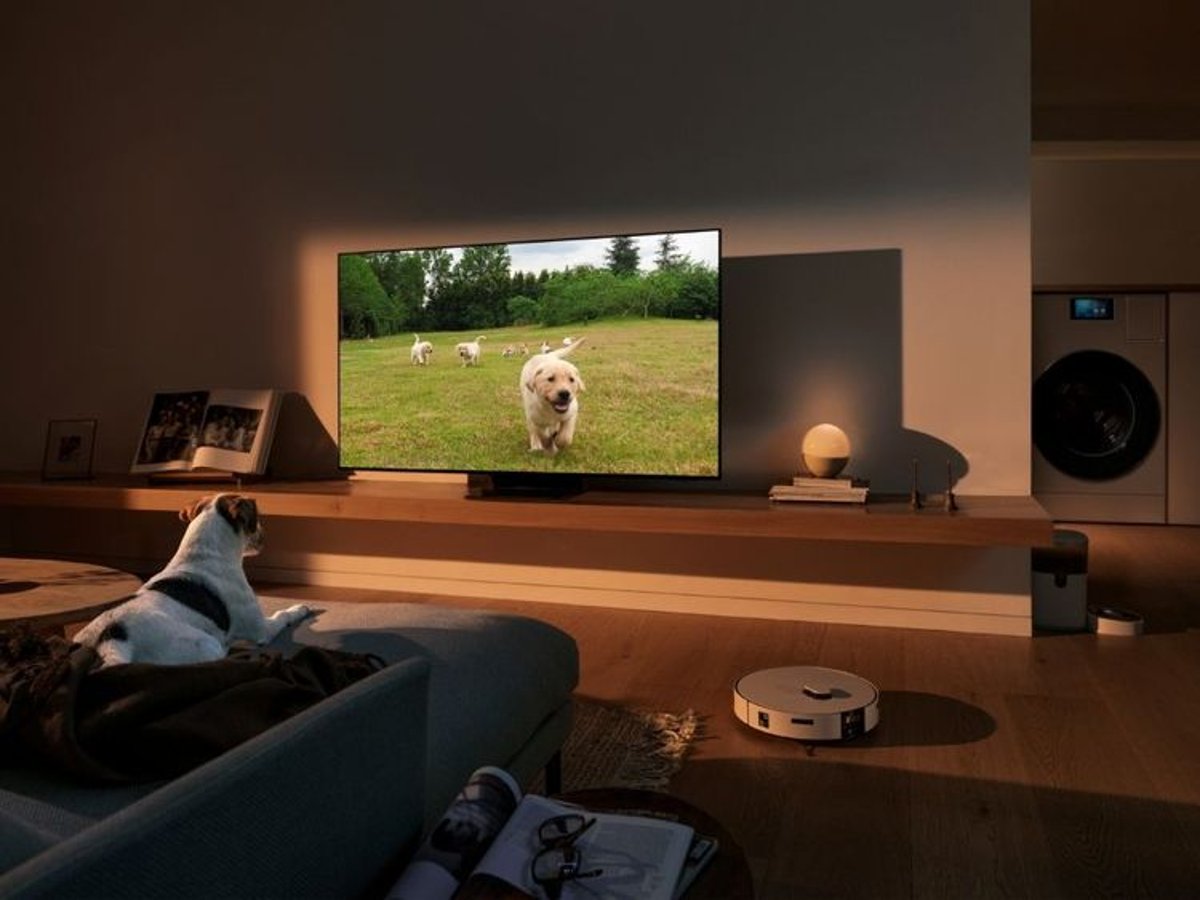
Samsung just fired the opening shot in the AI home wars. The tech giant unveiled its "SmartThings Meets AI Home" campaign today, positioning its connected home ecosystem as the definitive AI-powered living experience ahead of IFA 2025. The move signals Samsung's aggressive push into the $80 billion smart home market, where it's battling Amazon's Alexa and Google's Nest for dominance.
Samsung is making its biggest AI home play yet. The company's new "SmartThings Meets AI Home" campaign launched today with a clear message: your home should think for you, not the other way around. The timing isn't coincidental – this drops just days before IFA 2025, Europe's biggest consumer electronics show, where smart home announcements traditionally make or break the year's tech narrative.
The campaign video showcases Samsung's vision of truly intelligent homes that adapt to user behavior without constant input. SmartThings Routine automatically adjusts air conditioning and lighting, while a single app tap triggers coordinated household chore management across connected appliances. "With this campaign, we aimed to highlight Samsung's AI home experience redefined by AI leadership and SmartThings in a way that truly connects with customers," Won-Jin Lee, President and Head of Global Marketing Office at Samsung Electronics, told the company's newsroom.
The SmartThings ecosystem represents Samsung's answer to Amazon's Alexa dominance and Google's Nest integration. Unlike voice-first competitors, Samsung's approach centers on predictive automation that requires minimal user intervention. The platform connects both Samsung appliances and third-party devices, creating what the company calls "personalized AI experiences" that learn household patterns over time.
Samsung's timing reveals the intensifying battle for smart home supremacy. The global smart home market reached $80.2 billion in 2022 and analysts project it will hit $537.01 billion by 2030. Amazon currently leads with roughly 70% of smart speaker market share, but Samsung's appliance-first approach could provide a different entry point for AI home adoption.
The campaign's global rollout strategy underscores Samsung's ambitions. Starting September 2, the video appears on outdoor screens at Times Square in New York and Piccadilly Circus in London – premium real estate that costs upwards of $3 million annually for major brand campaigns. Samsung's also pushing the content across its official social media channels, including a dedicated YouTube campaign.
What sets Samsung's AI Home apart is its focus on invisible automation. The SmartThings Pet Care service exemplifies this philosophy – pet monitoring and care happen automatically while owners focus on other priorities. This represents a evolution from voice-activated smart homes toward anticipatory systems that reduce cognitive load rather than simply responding to commands.
The IFA 2025 context matters enormously. Europe's largest consumer technology show traditionally sets the agenda for holiday season launches and next year's product roadmaps. Samsung's pre-show campaign suggests major SmartThings announcements are coming, possibly including new AI capabilities or expanded device compatibility.
Industry observers note Samsung's unique position in the smart home ecosystem. Unlike Amazon or Google, Samsung manufactures the physical appliances that form smart home foundations – refrigerators, washing machines, air conditioners, TVs. This vertical integration could provide competitive advantages in creating seamless AI experiences that software-focused competitors struggle to match.
The campaign arrives as consumer adoption of AI home features accelerates. Recent surveys show 73% of smart home owners want more automated, predictive features rather than voice-controlled devices. Samsung's "do less at home" messaging directly targets this shift toward invisible, anticipatory technology.
Samsung's AI Home campaign represents more than marketing – it's a strategic positioning for the next phase of smart home evolution. As the industry shifts from voice commands to predictive automation, Samsung's appliance-manufacturing advantage and SmartThings platform integration could reshape how consumers think about AI in their daily lives. The real test comes at IFA 2025, where Samsung will need to back up this vision with concrete product announcements that deliver on the promise of truly intelligent homes.