Samsung just launched its 'One Shot Challenge' campaign, partnering with acclaimed photographer Tom Craig to showcase how Galaxy AI's Generative Edit feature can fix photos after they're taken. New European research reveals 57% of people feel taking photos pulls them out of enjoying the moment, while 86% notice unwanted background elements in their shots.
Samsung is making a bold bet that AI can solve photography's oldest problem: the choice between living in the moment or capturing it perfectly. The company's new 'One Shot Challenge' campaign, which launches today, promises users they can have both.
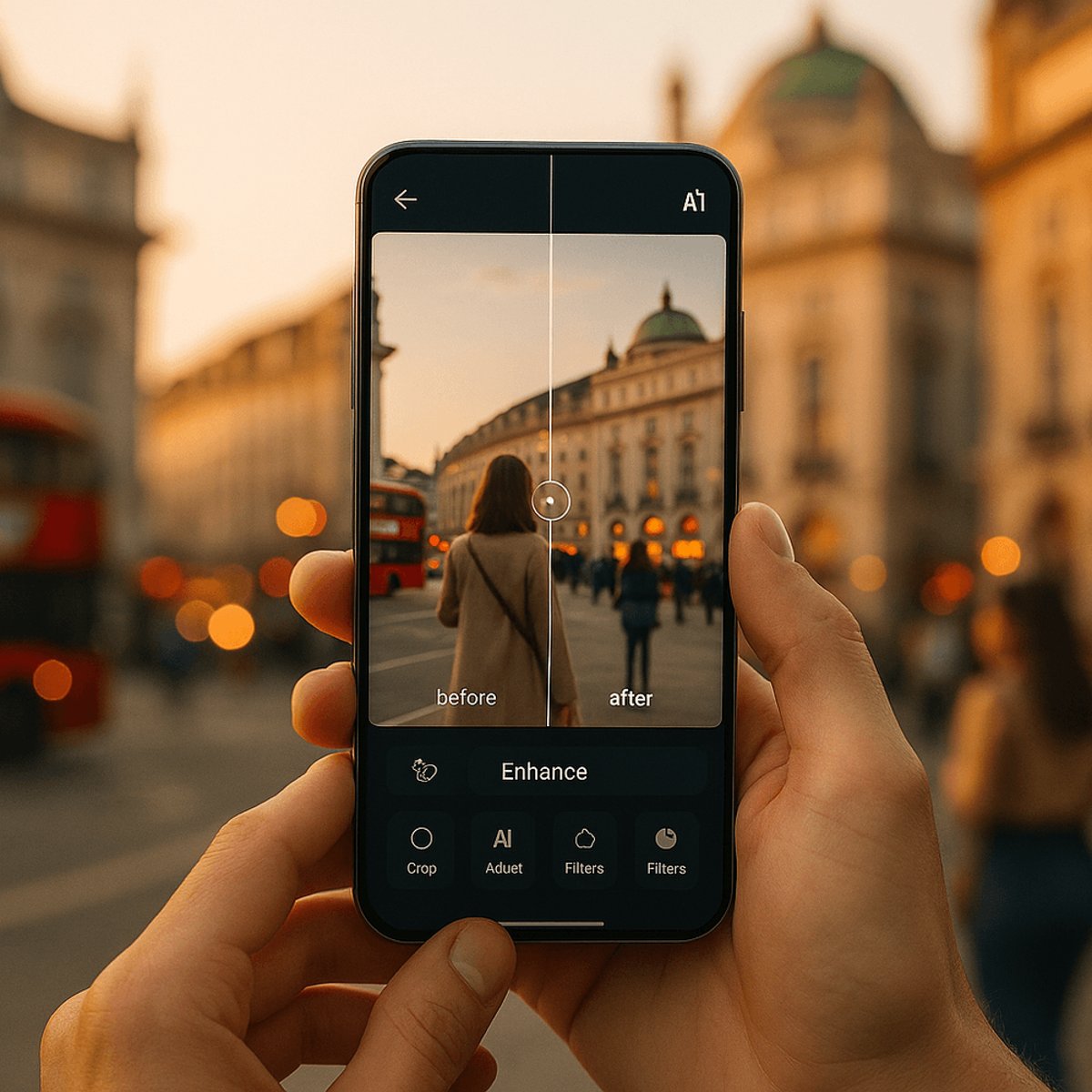
Partnering with renowned photographer Tom Craig - whose work has appeared in Vogue, Vanity Fair, and Esquire - Samsung is showcasing how its Galaxy AI technology can transform imperfect shots into Instagram-ready masterpieces. The campaign film demonstrates Craig using the Galaxy Z Fold7's Generative Edit feature to remove London traffic from a Piccadilly Circus photo with a single tap.
'So much of great photography happens in the moment, the right look, the perfect light, the exact setting,' Craig explained in Samsung's announcement. 'It's frustrating when an unwelcome distraction ruins that. The One Shot Challenge is about empowering everyone to capture beautiful memories and get back to enjoying them immediately.'
The timing isn't coincidental. Samsung's new European research, conducted by Opinium across 10 countries with 5,000 respondents, reveals a photography paradox plaguing the smartphone generation. While 83% of people photograph moments to preserve memories, 57% admit the act of taking photos actually pulls them out of enjoying those same moments.
The data gets more revealing when you dig deeper. Nearly half of respondents (45%) feel pressure to capture the perfect photo, yet 73% say they want to live more in the moment and worry less about getting the right shot. The pressure largely stems from social media expectations - 30% want to look good online, while others simply want to avoid missing precious family moments.
But here's where Samsung sees opportunity: 86% of people have noticed background elements they wish they could remove from their photos. Photobombers plague 38% of shots, unwanted objects appear in 33%, and shadows or reflections ruin 34%. Despite these frustrations, 74% have never used AI tools to fix their smartphone photos.
'At Samsung, we know life's best moments happen when we're fully present - but we also want to capture memories we can cherish,' said Benjamin Braun, chief Marketing Officer at Samsung Europe. 'The One Shot Challenge encourages people to enjoy those moments while still taking great photos effortlessly.'
The Galaxy Z Fold7's Generative Edit feature represents Samsung's answer to this dilemma. The AI-powered tool can remove unwanted elements, fill in missing details, and enhance photos post-capture. However, the technology comes with limitations - edited photos are resized to 12MP maximum, require network connectivity and Samsung Account login, and carry visible AI watermarks.
Craig's involvement adds creative credibility to what could otherwise feel like a marketing gimmick. The British photographer has exhibited at the National Portrait Gallery for five consecutive years and served as Photographer-in-Residence for the Royal Geographical Society. His endorsement suggests professional photographers see value in AI-assisted editing, not just casual users.
The campaign launches strategically during peak holiday photography season, when family gatherings and celebrations create high-stakes moments for capturing memories. Starting November 25, users can participate by sharing Generative Edit photos on Instagram, potentially creating viral marketing momentum.
Samsung's research identifies specific moments people regret missing while focusing on photography: family celebrations, tourist landmarks, and children's milestones. These emotionally charged scenarios give the One Shot Challenge authentic resonance beyond typical tech marketing.
The broader implications extend beyond Samsung's immediate sales goals. As AI photo editing becomes mainstream, questions about authenticity and manipulation will intensify. Samsung's watermark requirement acknowledges this concern while still promoting the technology's benefits.
Competitors like Apple and Google offer similar AI photo features, but Samsung is positioning itself as the brand that understands the emotional cost of perfect photography. The 'capture less, live more' messaging directly challenges the smartphone industry's traditional emphasis on camera specs and shooting capabilities.
Samsung's One Shot Challenge represents more than a marketing campaign - it's a philosophical shift in smartphone photography. By acknowledging that perfect photos shouldn't require perfect moments, Samsung is betting consumers will embrace AI assistance over traditional photography pressure. The campaign's success will depend on whether users trust AI editing enough to stop obsessing over the perfect shot and start living in the moment. For an industry built on capturing life, that's a surprisingly human proposition.