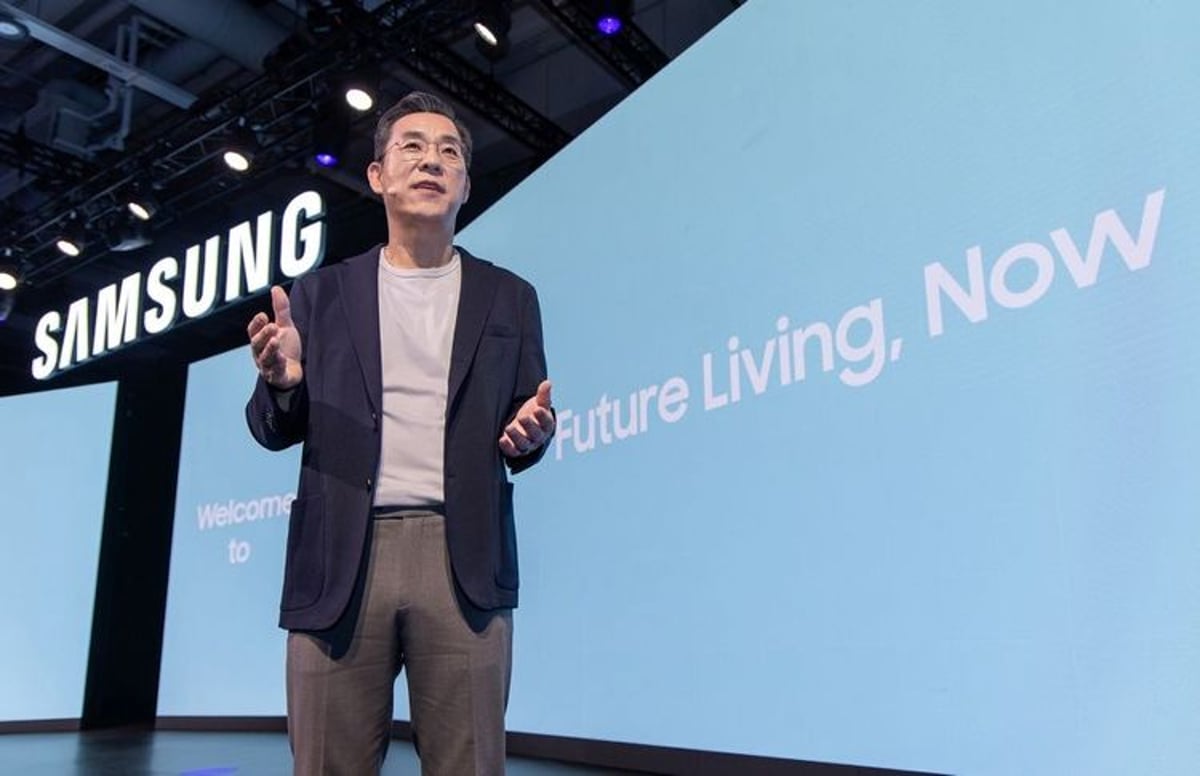
Samsung just redefined the smart home battlefield at IFA 2025 with its comprehensive "AI Home: Future Living, Now" vision. The announcement spans everything from AI-powered dishwashers to 115-inch displays, with Samsung targeting 400 million Galaxy AI devices by 2025. This isn't just another product launch—it's Samsung's aggressive play to own the entire connected home ecosystem.
Samsung just dropped the gauntlet in the smart home wars. At IFA 2025 in Berlin, the Korean tech giant unveiled its most ambitious AI ecosystem yet—a comprehensive vision that spans from kitchen appliances to massive 115-inch displays, all unified under what Samsung calls "AI Home: Future Living, Now."
The announcement comes as the smart home market reaches an inflection point. Samsung's internal research reveals that 66% of consumers now find AI-enabled homes appealing, with 44% specifically wanting streamlined daily tasks and 45% craving better voice control. "We're not just imagining the future of AI; we're building it into everyday life," Cheolgi Kim, Samsung's Executive Vice President declared during the presentation.
But Samsung isn't just talking vision—they're backing it with concrete numbers. The company aims to bring Galaxy AI to over 400 million devices worldwide by the end of 2025, effectively doubling their current 200 million device target for 2024. This aggressive expansion puts Samsung in direct competition with Google's Nest ecosystem and Apple's HomeKit platform.
The centerpiece of Samsung's strategy lies in its Bespoke AI appliance lineup, where the company is making bold energy efficiency claims. The new Bespoke AI Washer reportedly clears the minimum threshold for Grade A energy efficiency testing by 65%, while Samsung's SmartThings Energy system can reduce washing machine energy consumption by up to 70%. These aren't just incremental improvements—they represent the kind of cost savings that could drive mass adoption.
Samsung's AI Jet Bot Steam Ultra showcases the technical sophistication driving this ecosystem. The robot vacuum now features enhanced AI Object Recognition that can detect liquids—even transparent ones like spilled water. It's a seemingly small detail that reveals Samsung's deeper AI capabilities, trained on extensive datasets to recognize everything from juice spills to pet accidents.
On the entertainment front, Samsung is expanding its Vision AI Companion to larger displays, including a massive 115-inch Micro RGB screen that delivers what the company calls "cinema-quality visuals." More intriguingly, Samsung introduced "The Movingstyle"—a portable touchscreen TV with built-in battery and adaptive AI that can move between rooms.
The strategic partnerships announced alongside these products signal Samsung's platform ambitions. The company is deepening its collaboration with Google, Microsoft, and AI search startup Perplexity to power its Vision AI platform. This open ecosystem approach contrasts sharply with Apple's more closed HomeKit strategy.
Security remains a critical concern as homes become more connected. Samsung is addressing this through its Knox Vault system, which safeguards data at the hardware level, and Knox Matrix, which extends protection across all connected devices. With 40% of consumers expecting AI to improve home security through timely alerts, Samsung's enterprise-grade security infrastructure could become a key differentiator.
The energy efficiency angle is particularly compelling given current economic pressures. Samsung's research shows that 66% of consumers believe AI-enabled homes can help track costs and save money. With utilities costs rising globally, appliances that can demonstrably cut energy bills by 70% could see rapid adoption regardless of their AI features.
What makes this announcement significant isn't just the breadth of products, but Samsung's unified approach. Unlike competitors who focus on individual categories, Samsung is orchestrating an ecosystem where your dishwasher, TV, robot vacuum, and smartphone all communicate through the same AI brain powered by SmartThings.
The timing is strategic. As Amazon faces challenges with Alexa monetization and Google restructures its hardware efforts, Samsung sees an opportunity to capture the connected home market through superior hardware integration and aggressive pricing on energy-efficient appliances.
Samsung's IFA exhibition runs through September 9 at Berlin's CityCube, featuring a 50-meter digital façade art installation created with digital artist Maotik. The visual spectacle—themed around "wind" and data movement—symbolizes Samsung's broader strategy of making AI invisible yet omnipresent in daily life.
Samsung's AI Home vision represents more than product announcements—it's a comprehensive ecosystem play targeting 400 million devices by 2025. With 70% energy savings claims, enterprise-grade security, and partnerships spanning Google to Perplexity, Samsung is positioning itself as the integrated alternative to fragmented smart home solutions. The real test will be whether consumers embrace this unified approach or prefer the flexibility of mix-and-match ecosystems from multiple vendors.