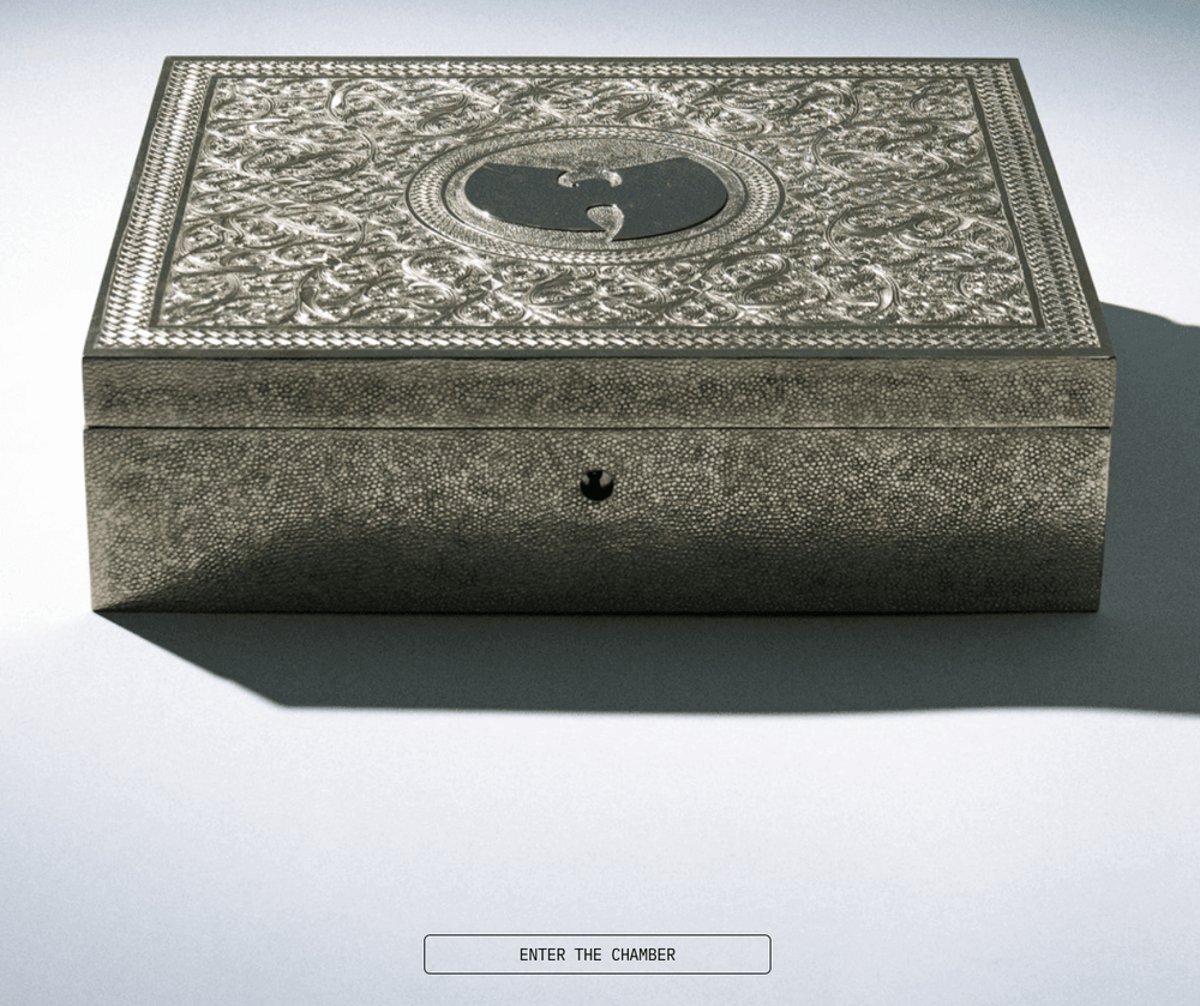
Martin Shkreli's legal troubles just got more expensive. A federal judge ruled Thursday that the notorious pharma executive can be sued for allegedly copying Wu-Tang Clan's ultra-rare album "Once Upon a Time in Shaolin" - treating the $4 million record as a trade secret. The decision opens a new front in crypto art collective PleasrDAO's battle to protect their exclusive digital asset, potentially setting precedent for how courts handle unique NFT-style ownership.
The most hated man in pharma just can't stay out of court. Martin Shkreli is facing a fresh lawsuit after a federal judge ruled Thursday that his alleged copying of Wu-Tang Clan's legendary "Once Upon a Time in Shaolin" album constitutes trade secret theft. The decision by US District Judge Pamela Chen dismissed some claims but cleared the way for crypto art collective PleasrDAO to pursue what could become a landmark case in digital asset protection.
It's an unusual legal theory for what's arguably the world's most exclusive album, but Chen's reasoning cuts to the heart of modern digital ownership. "Trade secrets include all forms and types of business information," she wrote, "so long as the criteria described above pertaining to 'reasonable measures' to maintain secrecy and the 'independent economic value' from that secrecy are met." The judge found "no serious debate that the value of the Album was largely based on its secret and exclusive nature."
The backstory reads like a cautionary tale about ego and greed. Shkreli originally bought the one-of-a-kind album for $2 million in 2015, back when he was riding high as CEO of Turing Pharmaceuticals. But his fraud conviction and subsequent prison sentence forced the government to seize his assets, including the Wu-Tang record. PleasrDAO acquired it at auction for roughly $4 million in 2021, treating it as both an art investment and a symbol of reclaiming culture from corporate greed.
But Shkreli apparently couldn't let go. According to court filings, he admitted during livestreams that he had made copies of the album before surrendering it to authorities. The crypto collective claims he even played excerpts for his online followers and taunted PleasrDAO members directly. When one DAO member posted a photo of the physical album, Shkreli allegedly responded: "LOL i have the mp3s you moron."
That digital braggadocio could prove costly. In August, Shkreli was forced to hand over any remaining copies after PleasrDAO obtained a restraining order. But the crypto collective argues the damage was already done - that Shkreli's unauthorized copies and threats to release them publicly had diminished the album's value as a unique digital asset.
The case highlights the evolving legal landscape around exclusive digital ownership. PleasrDAO operates as a decentralized autonomous organization focused on acquiring culturally significant digital assets. Their $4 million investment in the Wu-Tang album represented more than just music collecting - it was a bet on the future value of verified scarcity in the digital age.
Shkreli's defiance suggests he still doesn't grasp how much the rules have changed since his pharma days. Prison time and asset forfeiture haven't dampened his combative online persona. His livestream admissions about keeping copies could prove prosecutors' case that he deliberately violated the transfer agreement and damaged PleasrDAO's investment.
For the broader crypto and digital art world, Chen's ruling offers important clarity. By treating an exclusive album as a trade secret, the court is essentially recognizing that artificial scarcity can create legitimate economic value worth legal protection. It's a principle that could extend to NFTs, limited digital releases, and other blockchain-based ownership models.
The timing couldn't be better for PleasrDAO, which has been working to legitimize the concept of collective ownership in the digital art space. Winning a trade secrets case against someone as notorious as Shkreli would send a clear message that courts will protect exclusive digital assets just like any other valuable intellectual property.
The Shkreli-PleasrDAO case represents more than just another chapter in the pharma bro's legal saga. It's testing whether traditional trade secret law can protect the new economy of exclusive digital assets. If PleasrDAO wins, it could establish crucial precedent for how courts handle ownership disputes in the crypto art world. For Shkreli, it's another reminder that his past keeps finding new ways to haunt his future - and this time, his own livestream confessions might be the evidence that seals his fate.