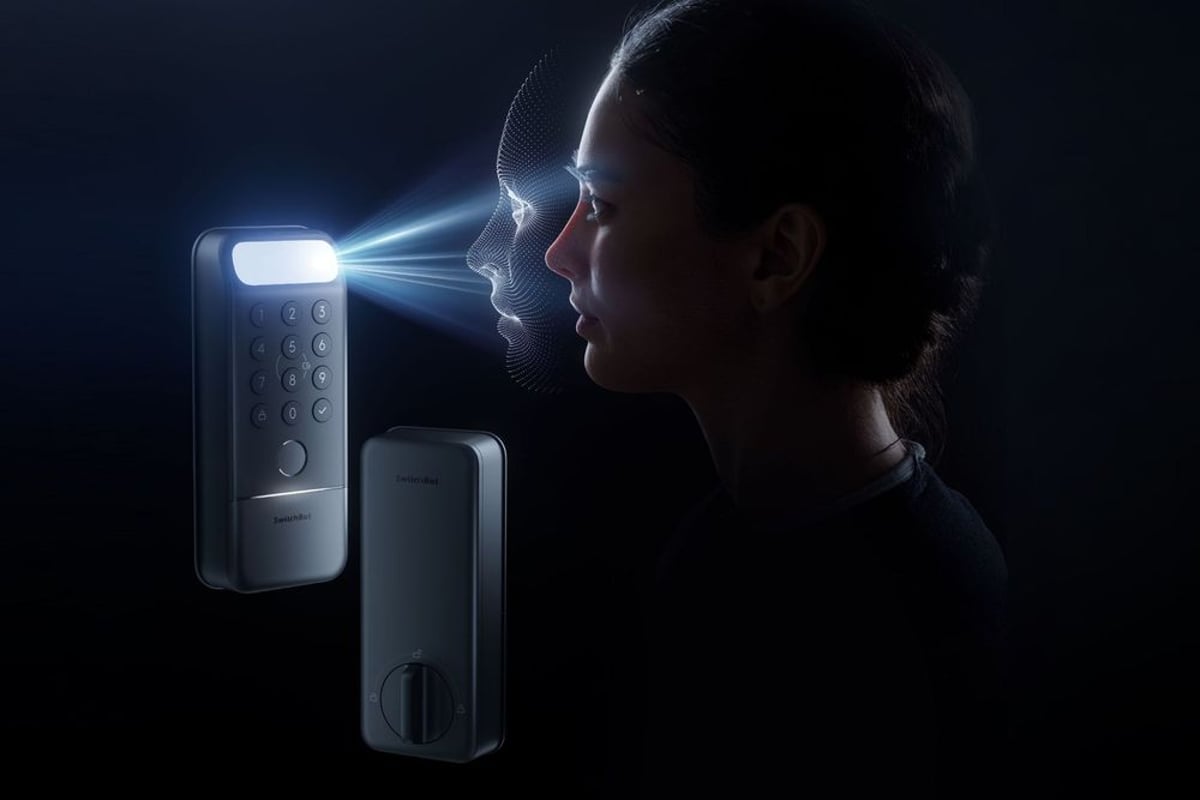
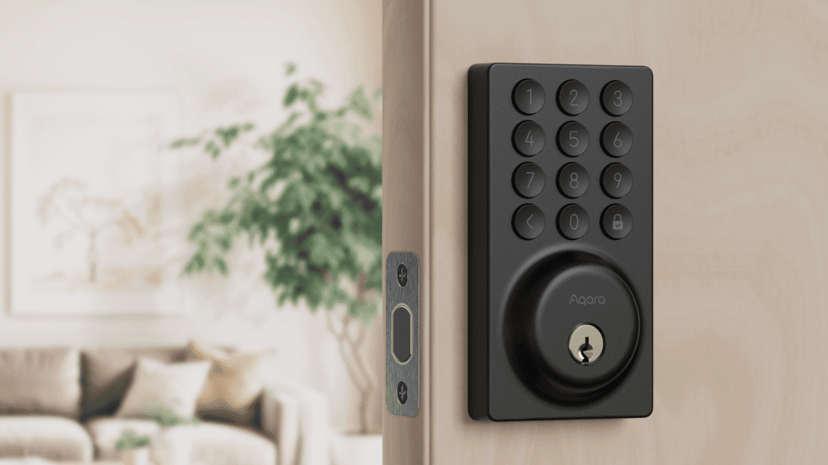
SwitchBot just raised the bar on smart home security. The company's new Lock Vision deadbolt, announced at CES, ditches your physical key for 3D facial recognition that lets you unlock your door with just a glance. Unlike all of SwitchBot's previous locks, this one actually replaces your existing deadbolt instead of clipping onto it - a significant shift that makes installation simpler but requires tearing into your door.
SwitchBot just made your house key obsolete. The company announced the Lock Vision at CES, a new deadbolt smart lock that scans your face and unlocks instantly. It's built on the same 3D facial recognition tech that powered SwitchBot's Keypad Vision last year, but now it's coming to your front door in a way that fundamentally changes how smart locks work.
Here's what makes this different from everything SwitchBot has made before. Every previous smart lock from the company retrofitted over your existing deadbolt - basically a smart layer on top of what was already there. The Lock Vision? It replaces your lock entirely. That means installation requires removing your old lock and putting this one directly in its place. It's a bigger commitment, but it also feels like a more permanent, integrated part of your door.
The device supports Matter-over-Wi-Fi, which means it'll play nicely with Apple Home and whatever other Matter-compatible ecosystem you've built. That's important for people trying to consolidate their smart home devices into one management system. Battery life is solid too - SwitchBot says the rechargeable battery can last six months on a single charge, with an additional backup battery that stays good for up to five years. That's the kind of staying power you actually need in a lock.
SwitchBot is releasing two versions. The base Lock Vision model gives you facial recognition, passcodes, app control, geofenced auto-unlocking (your door unlocks when you approach), NFC card access, and a physical key as a fallback. If you want to go all-in on biometrics, the Lock Vision Pro adds fingerprint scanning and contactless palm-vein recognition. Both versions support the same range of unlock methods, so the Pro is really about giving you more biometric options.
What's interesting here is the shift in thinking. For years, smart locks have treated facial recognition and biometric scanning as future-looking gimmicks. SwitchBot's betting that's already the present. By making facial recognition the headline feature and putting it front-and-center in the product name, they're signaling that this is the primary unlock method now, not an afterthought. The fact that they're putting a camera in your deadbolt to make it work is a bigger deal than it might sound - it means your lock is constantly looking at who's approaching your door.
The company hasn't said how much this will cost or when you can actually buy it. That's typically because they're still nailing down manufacturing details and want to gauge interest at CES first. But the timing matters. CES is where companies announce the stuff they actually plan to ship, usually within the next few months. So if you've been thinking about upgrading to a smarter lock, you might not have to wait too long.
This is also a sign of where the smart home category is heading overall. Instead of adding intelligence to products that already exist, manufacturers are starting to bake it in from the ground up. That means bigger changes to your actual hardware, more integration requirements, and potentially more friction during installation. But it also means smarter, more seamless experiences once everything's in place. It's the difference between a smart add-on and a genuinely smart product.
SwitchBot's Lock Vision represents a meaningful evolution in how smart home devices are being designed - less retrofit, more rethink. By replacing your deadbolt entirely rather than sitting on top of it, and leading with facial recognition as the main unlock method, the company is essentially saying that biometric security is table stakes for smart locks now, not a novelty feature. Once pricing drops and availability opens up, this could become the blueprint for how other smart lock makers approach the category. For now, it's another signal that smart home tech is getting more invasive, more integrated, and more convenient all at once.