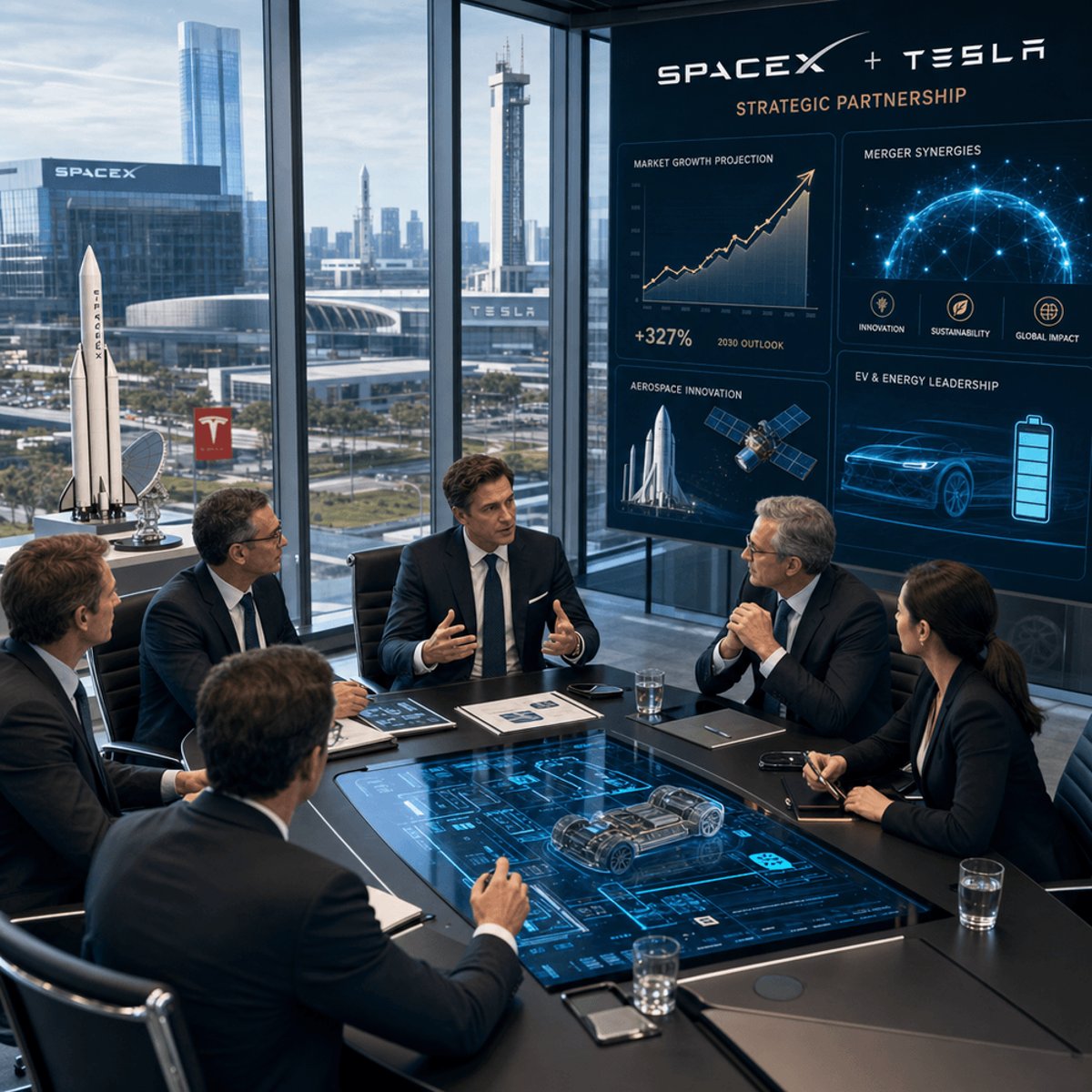
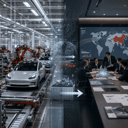
In a stunning aside during SpaceX's historic IPO debut, President and COO Gwynne Shotwell openly entertained the idea of merging with Tesla, suggesting the unprecedented consolidation "might make Elon's life a little easier." The comment, made as SpaceX shares began trading on the Nasdaq following what sources describe as a record-breaking public offering, instantly sent shockwaves through both the aerospace and automotive sectors. It marks the first time a senior executive at either company has publicly acknowledged what industry insiders have whispered about for years: that Musk's dual-CEO role might be unsustainable long-term.
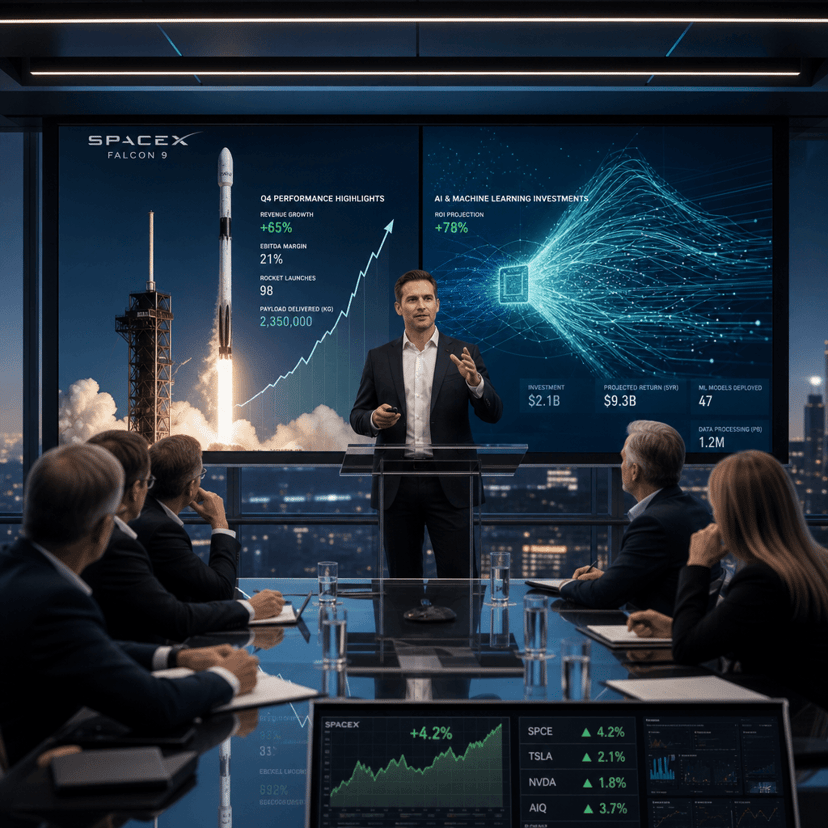
SpaceX just went public in what's shaping up to be the biggest IPO of the decade, but all anyone's talking about is what COO Gwynne Shotwell said about Tesla. Speaking to CNBC as the rocket company's shares began trading Friday, Shotwell casually floated the possibility of combining the two companies. "It might make Elon's life a little easier," she said with characteristic understatement, before quickly pivoting back to talking up SpaceX's quarterly launch cadence.
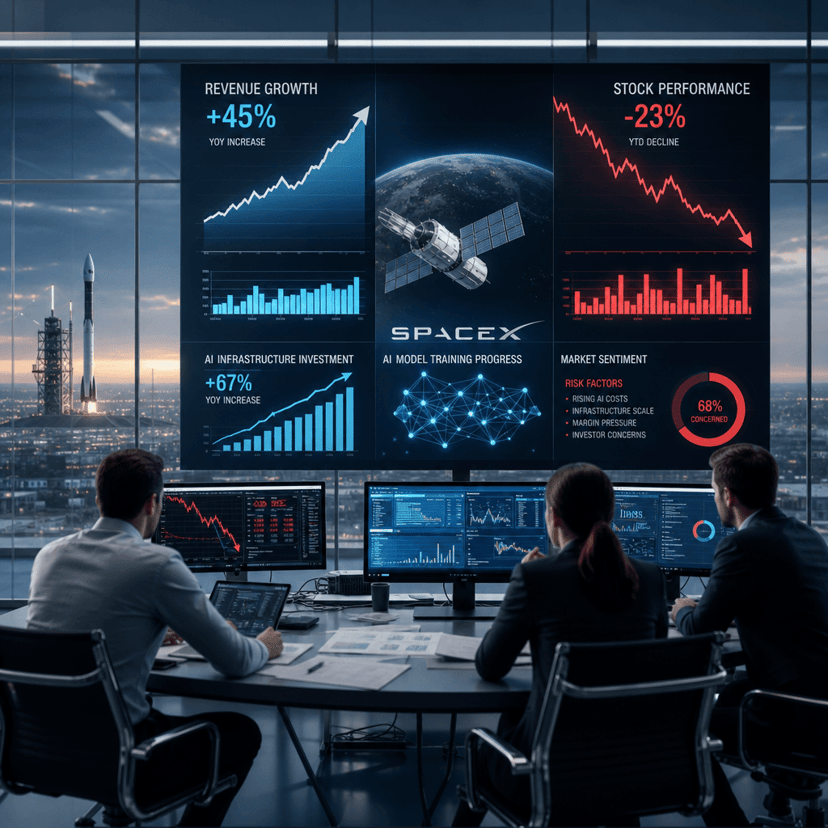
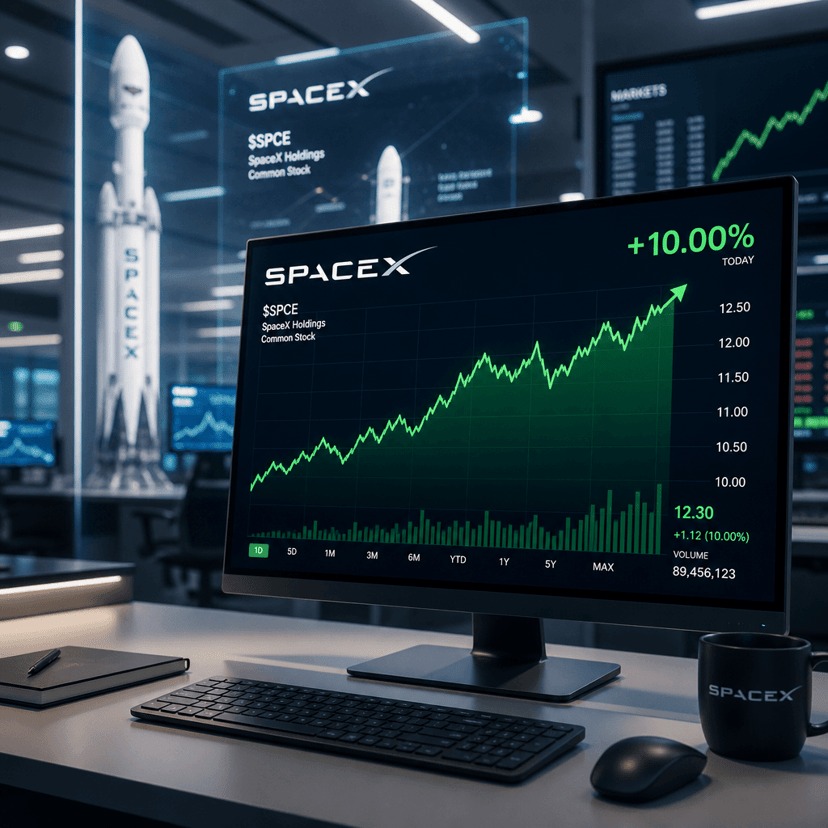
The comment landed like a bombshell. Tesla shares surged 8% in afternoon trading on the news, while SpaceX opened at a valuation sources peg north of $200 billion, cementing its position as the most valuable aerospace company in history. For years, Musk has insisted the two companies operate independently, with zero overlap beyond his own divided attention. But Shotwell's remarks suggest the C-suite is at least war-gaming what a combination might look like.
And there's a logic to it that's hard to ignore. SpaceX has spent two decades perfecting battery systems for Starship, while Tesla pioneered the same tech for EVs. SpaceX needs autonomous navigation for Starlink satellites and lunar landers; Tesla's Full Self-Driving stack is arguably the most advanced in the world. SpaceX manufactures at scale in Boca Chica; Tesla's mastered it in Austin and Shanghai. The synergies practically write themselves.
"Elon's been running what amounts to a shadow conglomerate for years," one former SpaceX executive told me on background. "Formalizing it might actually unlock value instead of just burning him out." The executive pointed to Musk's increasingly erratic schedule, which now involves splitting time between SpaceX's Starbase facility in Texas, Tesla's Fremont and Austin plants, X's San Francisco headquarters, and xAI's new Memphis supercomputer cluster. "Something's gotta give," the exec added.
Shotwell herself has long been viewed as the operational backbone keeping SpaceX on track while Musk chases Mars dreams and posts on X. Her willingness to publicly discuss a Tesla merger suggests this isn't just idle speculation. According to people familiar with the matter, board-level conversations have touched on integration scenarios, particularly as SpaceX's newly public status gives it currency for a stock-swap deal. Tesla currently trades at a $780 billion market cap, meaning any combination would create a company worth close to $1 trillion.
The regulatory hurdles would be immense. The Federal Trade Commission has signaled increasing skepticism of mega-mergers, and combining a defense contractor like SpaceX with a consumer automaker raises national security questions. But Musk has never been one to let red tape slow him down. He's already merged his various AI efforts under the xAI umbrella, and he's publicly mused about turning X into an "everything app" that incorporates payments, shopping, and more.
What's striking is the timing. SpaceX going public fundamentally changes the calculus. As a private company, any Tesla tie-up would've required complex valuations and private equity machinations. Now, with tradable shares, a merger could happen through a relatively straightforward stock transaction. "The IPO wasn't just about raising capital," a Nasdaq source told me. "It was about creating optionality."
Investors are already connecting dots. Tesla's battery supplier Panasonic saw shares jump 4% on speculation that a combined entity might vertically integrate cell production. Aerospace parts makers dipped on fears that Tesla's manufacturing prowess could further squeeze margins. And defense analysts began updating models to account for what one called "the Musk Industrial Complex."
Not everyone's convinced it makes sense. "These are fundamentally different businesses with different customers, different regulatory regimes, different capital needs," argued one longtime Tesla bull who requested anonymity. "Slapping them together because Elon's overextended feels like the wrong solution." Others worry that combining the companies would give Musk even more unchecked power, with less board oversight and fewer checks on his impulses.
But Shotwell's comment wasn't off-the-cuff. People who know her describe her as surgically precise with language, especially in high-stakes media moments. If she's floating this publicly, it's because conversations are happening privately. And with SpaceX now trading, the mechanics of a deal just got a lot simpler. Whether it actually happens is anyone's guess, but Wall Street's already building out the spreadsheets.
Shotwell's casual acknowledgment of a potential Tesla tie-up may be the most consequential thing said during SpaceX's entire IPO roadshow. Whether this represents serious M&A planning or just public musing about how to ease Musk's impossible schedule, the fact that SpaceX's second-in-command is talking about it openly changes the conversation. With SpaceX now public and armed with tradable currency, what once seemed like fan fiction is starting to look like a genuine strategic option. The question isn't whether a merger makes technical sense - the synergies are obvious - but whether regulators, shareholders, and Musk himself are ready to build the world's most ambitious industrial conglomerate. Wall Street's already placing its bets.