SpaceX is pushing back the timeline for removing unpermitted turbines powering xAI's massive Colossus data center complex, with some units now expected to remain operational until mid-2027. The disclosure comes as the Elon Musk-owned aerospace company builds a permanent natural gas power plant to fuel the AI training facility in Memphis, raising fresh questions about regulatory compliance and the environmental cost of the AI boom.
SpaceX just admitted it needs another year to get its power situation sorted at xAI's Colossus data center - and that means unpermitted turbines will keep spinning in Memphis for many more months. The revelation surfaced as the company races to build a permanent natural gas power plant to fuel one of the world's largest AI training facilities, but the construction timeline reveals just how much corner-cutting happened to get Colossus online fast.
The turbines in question have been operating without proper air quality permits since xAI fired up its 100,000-GPU supercomputer cluster earlier this year. According to documents reviewed by TechCrunch, SpaceX - which is handling infrastructure for its sister company - won't complete the removal of all temporary power generation units until summer 2027. That's a full year beyond initial estimates that suggested the turbines would be phased out by late 2026.
The delay exposes the messy reality behind AI infrastructure expansion. While OpenAI, Microsoft, and Google have spent years securing power deals and permits for their data center empires, xAI opted for speed over process. The company installed temporary turbines to get Colossus training models immediately, betting it could sort out the regulatory paperwork later. Now later is stretching into next year, and local environmental groups aren't happy about it.
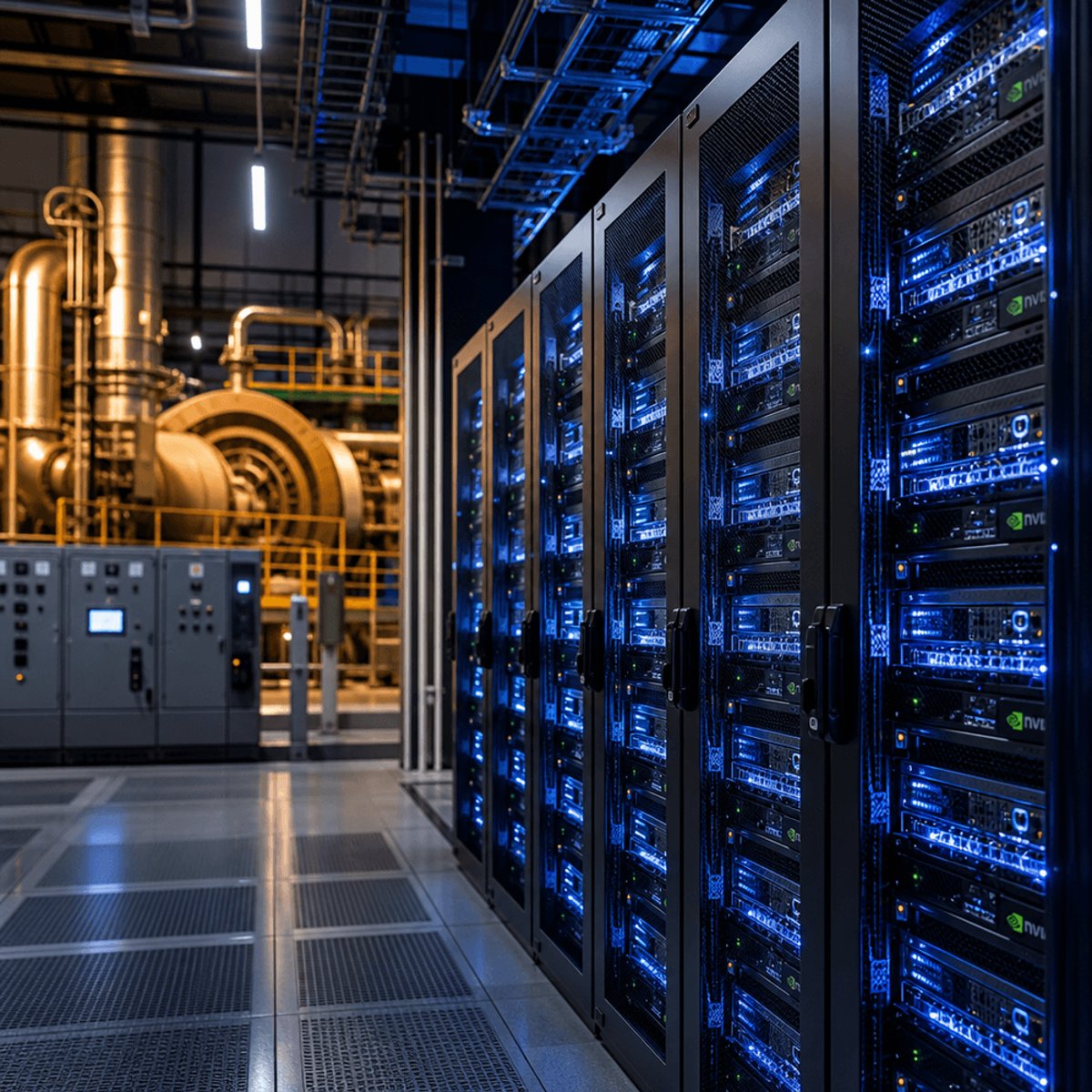
"We're essentially looking at 18-24 months of unpermitted industrial emissions in a residential area," one Memphis environmental advocate told local reporters. The turbines generate hundreds of megawatts to power the facility's Nvidia H100 GPUs, which require massive amounts of electricity to train large language models. Each day of delay means more emissions without the air quality controls that permitted facilities must implement.
SpaceX's permanent solution involves constructing a dedicated natural gas power plant on-site, a project that does have proper permits but faces its own timeline challenges. The company needs to install multiple large-scale generators, build transmission infrastructure, and ensure the new facility can deliver reliable power before shutting down the temporary turbines. It's a delicate dance - cut power too early and you shut down one of the most expensive AI training operations on the planet. Keep the unpermitted turbines running too long and you invite regulatory enforcement.
The situation highlights a broader tension in the AI industry. Companies like Meta and Amazon are spending billions on data centers, but they're also spending years navigating permits, environmental reviews, and utility interconnection agreements. xAI's approach - build first, permit later - worked to get Colossus operational ahead of competitors, but it's creating a regulatory mess that could slow future expansion.
For Elon Musk's growing tech empire, this represents yet another front in an ongoing war with regulators. Tesla faces environmental complaints at multiple factories, SpaceX battles with the FAA over launch permits, and now xAI is dealing with air quality violations. The pattern suggests a corporate philosophy that views regulation as an obstacle to be worked around rather than a framework to operate within.
The Memphis facility is critical to xAI's ambitions. The company needs massive compute capacity to train Grok, its answer to ChatGPT and Claude, and Colossus gives it that firepower. But the turbine controversy could complicate plans to expand the facility further. Local officials are already questioning whether to approve additional xAI construction if the company can't get its existing operations properly permitted.
Industry observers note that the power crunch facing AI companies is only getting worse. Microsoft recently signed a deal to restart a nuclear power plant, while Google is exploring small modular reactors. The hunger for electricity to train ever-larger models is pushing companies toward creative - and sometimes questionable - solutions. xAI's turbine gambit may have worked in the short term, but the year-long extension suggests even Musk's operation can't completely bypass the system.
What happens if regulators decide to force the issue remains unclear. State environmental agencies have enforcement powers, but taking action against a high-profile facility that's already operational is politically complicated. More likely, xAI will pay fines, agree to expedited timelines, and keep the turbines humming until the permanent plant comes online. It's expensive and messy, but for a company racing to catch OpenAI, the cost of shutting down may be higher than the cost of operating in regulatory limbo.
The turbine timeline extension reveals the real cost of moving fast in AI infrastructure - regulatory headaches that last years, not months. As SpaceX scrambles to build permanent power for xAI's supercomputer, the Memphis facility operates in a gray zone that other tech giants avoided by planning ahead. Whether this aggressive approach gives xAI a lasting edge in the AI race or creates problems that slow future expansion remains to be seen, but one thing is clear: the power demands of frontier AI models are forcing companies to make uncomfortable tradeoffs between speed and compliance. For residents living near Colossus, those tradeoffs mean breathing unpermitted emissions for at least another year.