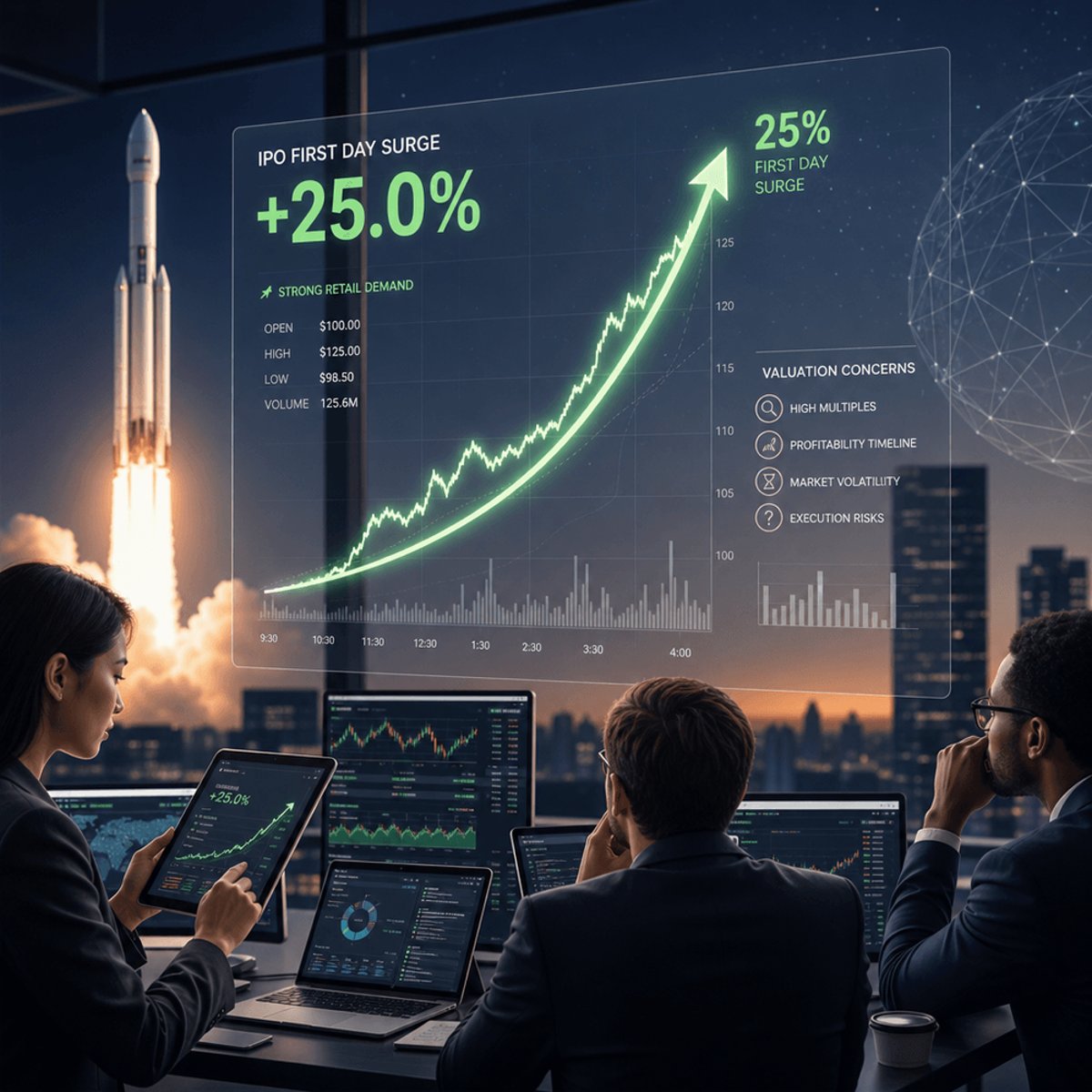
SpaceX just pulled off one of the most polarizing IPOs in tech history. The Elon Musk-led space company priced shares at $135 on Friday, giving it a staggering $1.77 trillion valuation that sent retail investors into a buying frenzy even as seasoned analysts called the number 'stupid.' Shares rocketed more than 25% in their debut, creating instant paper fortunes while igniting fierce debate about whether small investors are catching lightning or chasing hype.
SpaceX just became the most valuable space company in history, but not everyone's celebrating. The company's highly anticipated IPO priced at $135 per share on Friday, instantly creating a $1.77 trillion valuation that has the investment world split down the middle.
Small investors didn't hesitate. Shares surged more than 25% in opening trading as retail buyers flooded brokerage platforms, many admitting they'd been waiting years for this moment. The frenzy mirrors the meme-stock phenomenon, except this time the target is Elon Musk's rocket company with actual revenue and government contracts.
But the euphoria comes with sharp criticism. Several market analysts have publicly questioned whether the valuation makes any sense, with some calling it outright 'stupid' according to CNBC's reporting. The skepticism centers on whether SpaceX's Starship program, Starlink satellite internet business, and NASA contracts can possibly justify a market cap larger than most countries' GDP.
The $1.77 trillion figure puts SpaceX in rarefied air, surpassing the individual valuations of companies like Meta and rivaling Apple's market cap from earlier this year. It's a bold bet that commercial space flight, satellite internet, and Mars colonization plans will transform into the kind of cash-generating machine that justifies such astronomical numbers.
Retail investor enthusiasm appears undeterred by the naysayers. Trading platforms reported heavy volume as individual buyers rushed to secure shares, with some admitting the valuation concerns but buying anyway on faith in Musk's track record. The dynamic reveals a fascinating split in market psychology - institutional caution versus retail FOMO.
The pricing strategy itself was aggressive. At $135 per share, SpaceX and its underwriters pushed the upper end of expectations, testing just how much investors would pay for exposure to the commercial space race. The 25% first-day pop suggests they left money on the table, though it also creates positive momentum that could attract more buyers.
Context matters here. SpaceX has been raising private capital at escalating valuations for years, with its last private round reportedly valuing the company around $350 billion. The jump to $1.77 trillion represents a massive leap that assumes explosive growth in multiple business lines simultaneously - Starlink subscriber growth, increased launch cadence, and successful commercialization of Starship.
The debate over valuation mechanics is getting technical. Bulls point to Starlink's potential to capture significant market share in global internet access, particularly in underserved regions. They highlight SpaceX's reusable rocket technology as a structural cost advantage that competitors can't match. The NASA contracts and commercial satellite launch business provide steady revenue that other space ventures lack.
Bears counter that even optimistic projections for these businesses don't support a $1.77 trillion valuation without assuming near-perfect execution and market dominance across multiple sectors. They note that space ventures historically have disappointed investors, and that Musk's ambitious timelines often slip by years.
The IPO comes at an interesting moment for tech valuations broadly. After a period of correction that punished unprofitable growth companies, investors seem willing to pay premium multiples again for companies with genuine technological moats and visionary leadership. SpaceX checks both boxes, but the price tag is testing limits.
What happens next will likely hinge on SpaceX's ability to hit operational milestones. Starlink needs to demonstrate a path to profitability with subscriber growth. Starship requires successful orbital flights and eventual payload delivery. The Mars mission timeline needs to show concrete progress beyond concept presentations.
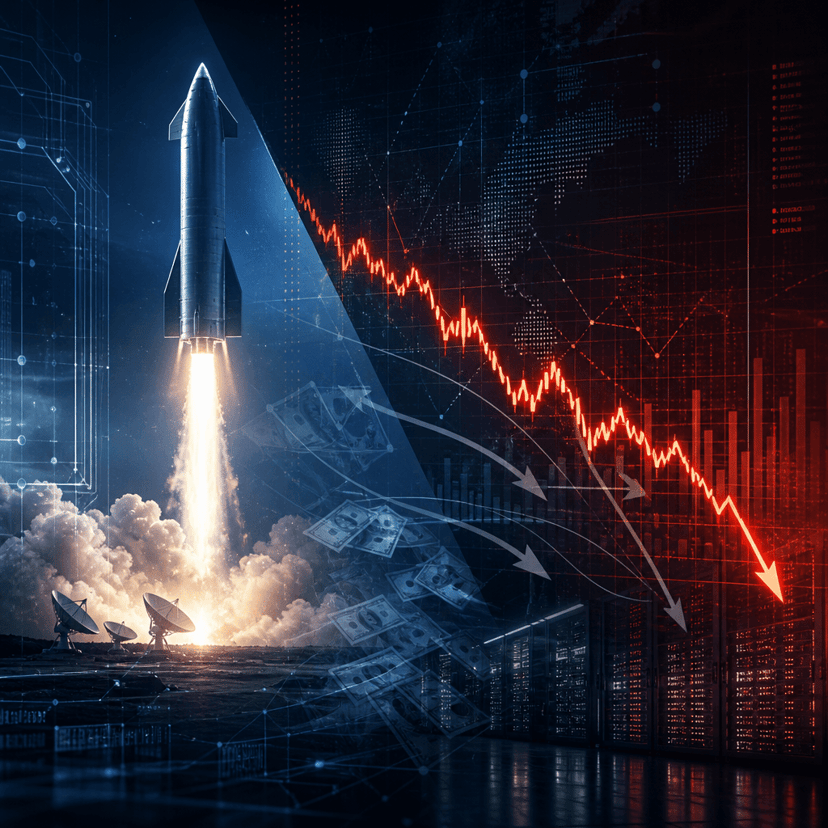
For retail investors who bought into the rally, they're betting that Musk's vision transcends traditional valuation frameworks. For the skeptics calling the price 'stupid,' they're wagering that even great companies can be terrible investments at the wrong price. The market will render its verdict in the months ahead as SpaceX reports its first earnings as a public company and investors see whether the business fundamentals can catch up to the valuation.
SpaceX's blockbuster IPO reveals the fundamental tension in modern markets - visionary potential versus valuation reality. Retail investors are betting billions that Musk can deliver on promises that sound like science fiction, while skeptics warn that even revolutionary companies can be overpriced. The 25% first-day pop shows momentum is real, but whether $1.77 trillion proves prescient or absurd will depend on execution over the next few years. For now, small investors are willing to pay up for a ticket to Mars, even if some professionals think they're being taken for a ride.