Spotify is making a bold leap beyond streaming. The audio platform just announced it's entering the physical book market, letting U.S. and UK users buy print copies directly through the app starting this spring. The move puts Spotify in direct competition with Amazon and Barnes & Noble while expanding its audiobook business that's already hooked more than half of its 281 million premium subscribers. The company's also rolling out Page Match, a computer vision tool that lets readers scan any page to instantly jump to that exact spot in the audiobook version.
Spotify is no longer content being just a streaming service. The company announced Thursday it's diving headfirst into physical book sales, a surprising pivot that puts it on a collision course with retail giants like Amazon and Barnes & Noble.
Starting this spring, Spotify users in the U.S. and UK will see an "Add to your bookshelf at home" button pop up on audiobook pages. Click it, and you're whisked to Bookshop.org, an online marketplace that funnels profits back to independent bookstores. It's an interesting alliance that gives Spotify instant access to physical inventory without building its own e-commerce infrastructure, while Bookshop.org handles pricing, shipping, and logistics according to Spotify's announcement.
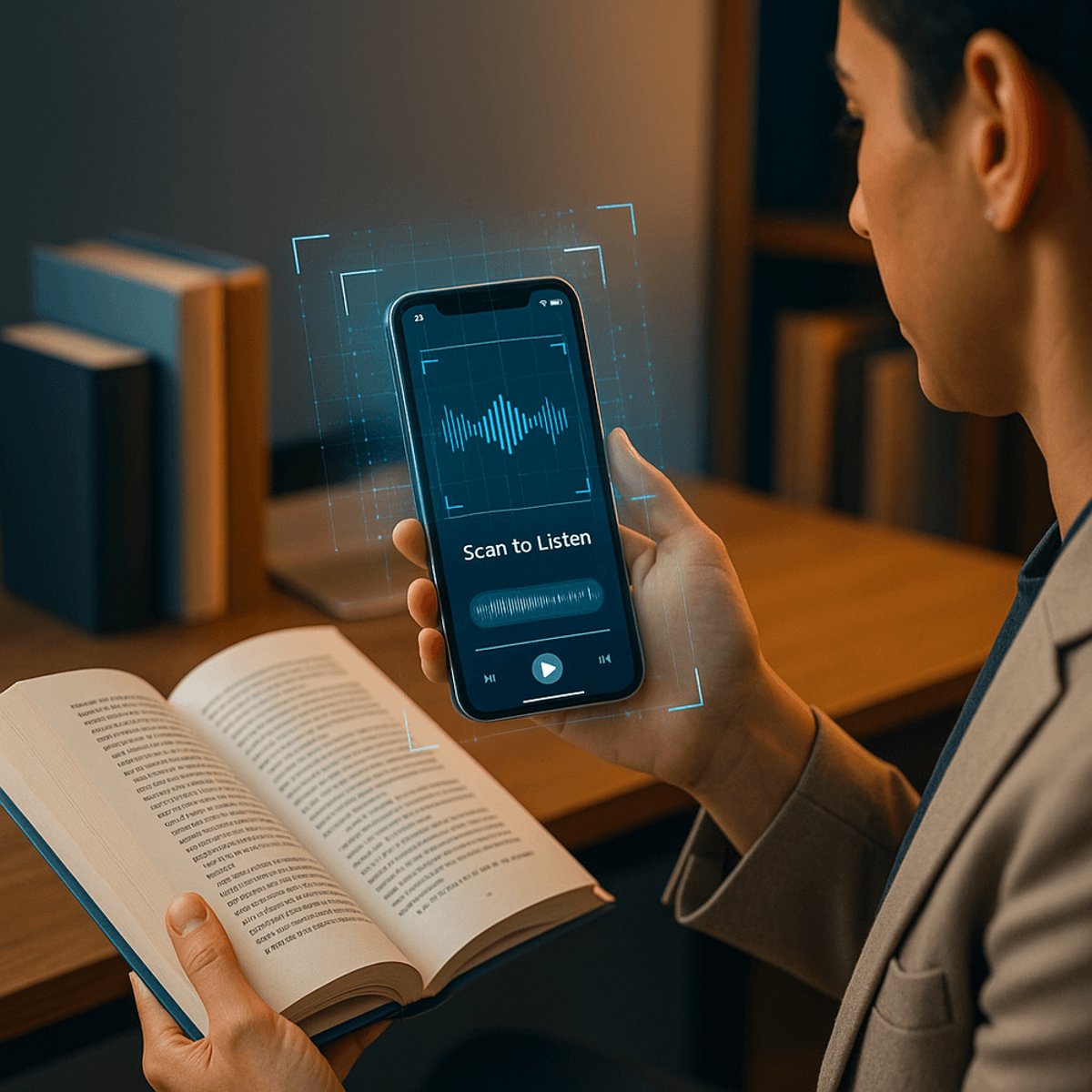
The timing is strategic. Just weeks after hitting users with another price increase, Spotify is sweetening the deal with features that blur the line between physical and digital reading. The headline addition is Page Match, a computer vision tool that premium subscribers can access now, with a full rollout to all audiobook users by late February.
Here's how it works: open a physical book, scan any page with your phone camera, and Spotify's combination of in-house and third-party image recognition technology pinpoints exactly where you are in the story. Tap "Scan to Listen" and the audiobook picks up at that precise moment. Want to switch back? Hit "Scan to Read" and you're oriented again. Android Authority first spotted hints of the feature last month, but now it's official for Spotify's catalog of 500,000-plus English-language titles.
The feature addresses a real pain point for hybrid readers who toggle between formats. Whether you're reading in bed at night and switching to audio for your morning commute, or vice versa, Page Match eliminates the tedious scrolling to find your place. It's powered by the same computer vision tech that's been quietly improving across consumer apps, though Spotify isn't disclosing which third-party providers it's working with.
Spotify's audiobook bet is paying off in a big way. Since launching audiobooks two years ago with 300,000 titles, the platform has seen explosive growth. The company reported in October that audiobook listeners jumped 36% year-over-year, while listening hours climbed 37%. More telling: over half of Spotify's 281 million premium subscribers have engaged with an audiobook, suggesting the format resonates beyond early adopters.
That momentum explains why Spotify is doubling down with physical books and smarter features. The company's also bringing Audiobook Recaps to Android this spring after launching on iOS last fall. These AI-generated summaries refresh your memory based on where you stopped listening, solving the "wait, what was happening?" problem when you return to a book after days or weeks.
By selling physical books, Spotify is essentially becoming a full-stack book platform, something Amazon has dominated for years through its combination of Kindle e-books, Audible audiobooks, and print sales. But Spotify's approach is different. Rather than building a logistics empire, it's leveraging Bookshop.org's existing network of indie booksellers. Every purchase funnels money to local bookstores, a model that appeals to readers wary of Amazon's market dominance.
The move also hints at Spotify's broader ambitions beyond music streaming. The company has aggressively expanded into podcasts, audiobooks, and now physical products. It's a recognition that keeping subscribers engaged means offering more ways to consume content within a single ecosystem. With subscription fatigue setting in across streaming services, Spotify is betting that becoming indispensable across multiple formats will keep users locked in even as prices rise.
Competitors are watching closely. Amazon's Audible still dwarfs Spotify in the audiobook market, but Spotify's bundled approach - where premium subscribers get 15 hours of audiobook listening included - undercuts Audible's credit system. Apple has been beefing up Apple Books with similar features, while Google Play Books quietly serves its own niche. The audiobook wars are heating up just as the format hits mainstream adoption.
One wildcard is how publishers will react. Spotify has faced resistance from music labels over royalty rates for years. Now it's wading deeper into book publishing economics, where margins are thin and publishers guard their retail relationships carefully. The Bookshop.org partnership may ease those tensions since it supports traditional retail channels rather than disintermediating them.
Spotify will reveal more about its financial performance when it reports Q4 earnings on February 10. Analysts will be watching for signals about whether audiobooks are driving subscription growth or just increasing engagement among existing users. The physical book experiment could become a meaningful revenue stream, or it might simply be a retention play - another reason not to cancel your subscription.
For now, the message is clear: Spotify wants to own your entire audio and reading life. Whether you're streaming music on your commute, binging podcasts at the gym, listening to audiobooks while cooking, or curling up with a physical book before bed, Spotify wants to be there. And with Page Match erasing the friction between formats, the company is betting readers won't want to go anywhere else.
Spotify's expansion into physical books marks a defining moment in the streaming wars. By bridging print, digital, and audio through computer vision technology, the company is building an ecosystem that's tougher to leave with each new feature. The Bookshop.org partnership adds a socially conscious angle that differentiates it from Amazon's model while sidestepping the logistics nightmare of fulfillment. As audiobook engagement surges past 50% of premium subscribers, Spotify is betting that readers want one platform for all formats. If Page Match delivers on its promise and physical sales gain traction, we're looking at a fundamental reshaping of how people discover, buy, and consume books. The real test comes February 10 when earnings reveal whether this multimedia strategy is translating to sustainable growth or just expensive feature bloat.