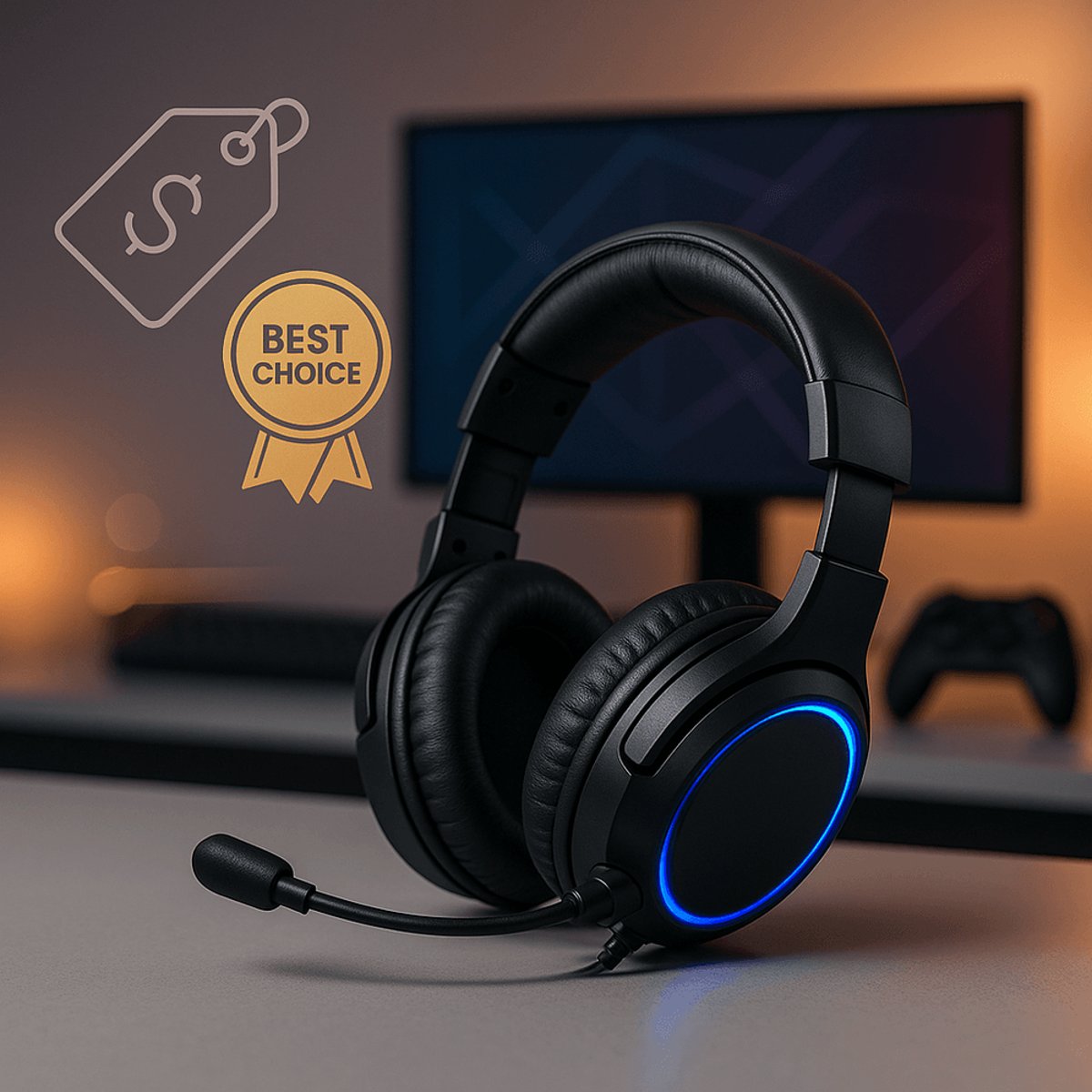
SteelSeries just scored a major win in the budget gaming market. Wired's comprehensive review crowned the Arctis Nova 3 'the best budget headset,' praising its comfort and sound quality despite some software complications that might frustrate PC users.
SteelSeries is making serious moves in the budget gaming space. The company's Arctis Nova 3 headset just earned Wired's coveted 'best budget headset' title, marking a significant win for the Danish gaming peripheral maker in an increasingly crowded market.
The review, published by tech journalist Brad Bourque, reveals a headset that punches well above its weight class. According to the detailed assessment, the Nova 3 delivers 'impressive' sound quality and exceptional comfort that keeps reviewers reaching for it over more premium options.
'Even with the much more premium Arctis Nova Pro at my desk, I often find myself reaching for the Nova 3,' Bourque writes in his conclusion. That's exactly the kind of endorsement that can shift market dynamics in the competitive gaming headset space.
But the story isn't entirely smooth sailing. The review exposes a significant friction point that could impact SteelSeries' PC gaming ambitions. The company's Sonar software, designed to enhance audio management, creates what Bourque calls 'deal-breaker' complications for some users.
Once installed, the software hijacks Windows' default audio management, forcing users to manage speaker and headphone switching through the SteelSeries app rather than standard system controls. 'Having to navigate into a specific piece of software to change my speaker volume is a little annoying,' the review notes.
This software stumble reveals the ongoing challenge gaming peripheral companies face when trying to differentiate through software features while maintaining user-friendly experiences. Razer, Logitech, and Corsair have all grappled with similar software complexity issues as they compete for gaming market share.
Interestingly, console gamers dodge these complications entirely. The mobile app offers a streamlined feature set that Bourque describes as 'all upside for console gamers.' This split experience suggests SteelSeries might be positioning the Nova 3 as much for console players as PC enthusiasts.
The timing couldn't be better for budget gaming gear. With economic pressures affecting consumer spending and new gamers entering the market through mobile and console gaming, affordable accessories with premium features are increasingly attractive. The Nova 3's combination of long battery life, quick charging, and 'excellent system compatibility' hits key value propositions.
Market data shows budget gaming peripherals gaining ground against premium alternatives as manufacturers improve build quality while maintaining aggressive pricing. SteelSeries' strategy of including advanced equalizer profiles and software features typically reserved for higher-end models appears to be paying off.
The review also highlights broader industry trends around audio software integration. Companies are increasingly betting that enhanced software experiences will drive brand loyalty, even when hardware reaches commodity-level quality standards.
Despite the software friction, Bourque's assessment suggests SteelSeries has found the sweet spot between features and affordability. The Nova 3's 'great sound profile' and comfort factor apparently overcome the software annoyances for many users.
The Nova 3's Wired recognition signals shifting dynamics in gaming peripherals, where software complexity increasingly differentiates budget options from premium gear. While PC users face audio management trade-offs, console gamers get a clear win. For SteelSeries, this review validates their strategy of packing premium features into affordable hardware - exactly what the expanding gaming market demands.