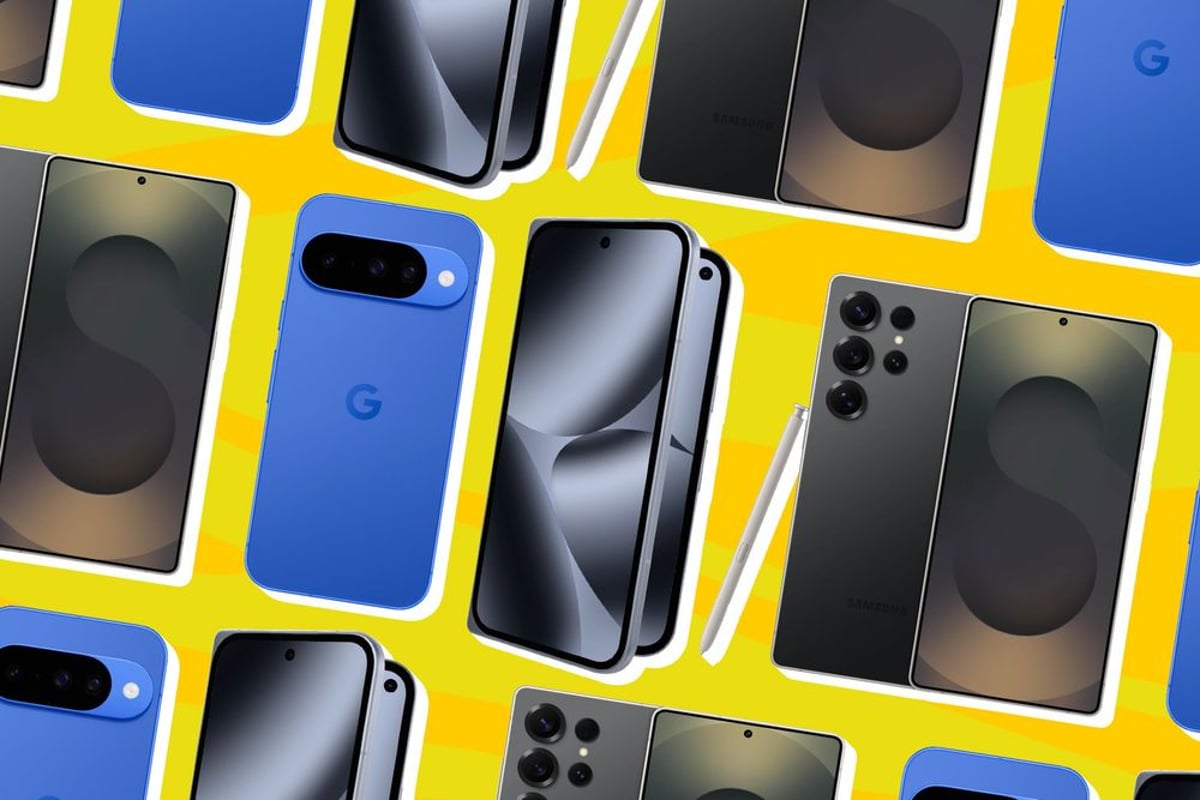
Google's Pixel 10 has earned the top spot in a new comprehensive Android phone buying guide, beating out flagship devices from Samsung and other manufacturers. The $799 device impressed reviewers with its Qi2 wireless charging, AI features, and new telephoto camera, marking a significant win for Google in the competitive Android market.
The Android phone landscape just got a definitive ranking, and Google's Pixel 10 is sitting pretty at the top. In a comprehensive buying guide covering the current Android ecosystem, tech reviewers have crowned Google's $799 flagship as the best overall choice for most users, beating out premium offerings from Samsung and other major manufacturers.
The Pixel 10's victory comes down to execution over flashiness. While Samsung's Galaxy S25 Ultra packs more features and commands a higher price, the Pixel 10 delivers what reviewers call the "just right" Android experience. The device features a 6.3-inch OLED display, Google's Tensor G5 processor, and notably, Qi2 wireless charging with built-in magnets - no case required.
What sets this year's model apart is the addition of a dedicated 5x telephoto lens, a first for the non-Pro Pixel line. However, the main and ultrawide cameras represent a step back from last year's model, though reviewers note most users won't notice the difference in everyday photography.
The guide's AI assessment offers a reality check for the industry's current favorite buzzword. According to the analysis, AI features on phones - including Google's Magic Cue and Samsung's real-time call translation - remain more promise than paradigm shift. "Best not to put too much stock in any company's AI claims just yet," the review warns, suggesting the transformative impact tech companies keep promising hasn't materialized.
Samsung still dominates several categories in the guide. The Galaxy S25 Ultra earned the "maximalist phone" crown with its dual telephoto cameras, built-in S Pen, and 6.9-inch display. But the review notes this year's Ultra feels less distinctive than previous generations, with software features being the primary updates rather than hardware innovations.
For users seeking smaller devices, the Samsung Galaxy S25 (6.2-inch) was deemed "basically the last of its kind" - a full-featured phone that's not huge. The guide positions this as the final holdout for users who want flagship performance without the bulk that's become standard in the Android market.
The competitive landscape reveals some interesting dynamics. OnePlus earned recognition for the OnePlus 13's exceptional battery life - capable of two days of moderate use - and 80W charging speeds that put other flagships to shame. Meanwhile, Google's Pixel 10 Pro Fold took the foldable category with its IP68 rating, making it the first foldable with full dust and water resistance.
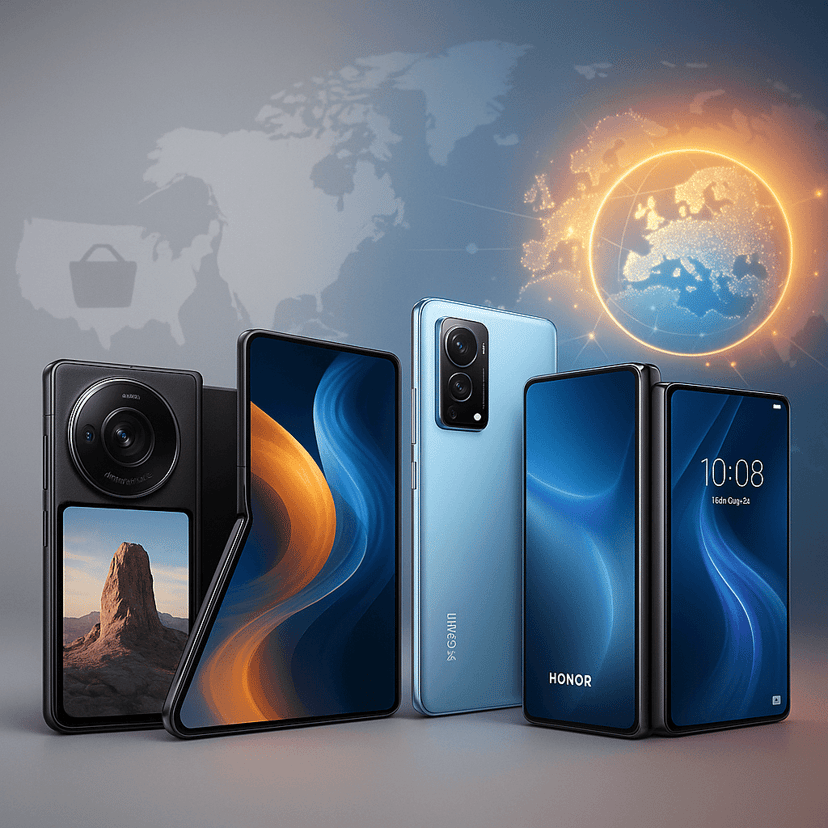
The guide also highlights a stark reality for US consumers: limited choice compared to global markets. Brands like Huawei, Xiaomi, Honor, and Oppo remain unavailable in the US due to what the analysis terms "capitalism and geopolitics," creating a more constrained competitive environment than exists elsewhere.
Market timing appears strategic, with the guide noting we're past major releases for the year and entering the traditional discount season. Black Friday and Cyber Monday emerged as key dates for budget-conscious buyers, while the analysis suggests most Americans still acquire phones through carrier "free" deals despite the flexibility advantages of buying unlocked.
The testing methodology behind these rankings involved living with each device for a minimum of one week, stress-testing batteries, GPS navigation, and camera performance. This hands-on approach contrasts with spec-sheet comparisons, focusing on real-world usability over marketing claims.
For Google, the Pixel 10's top ranking validates the company's focus on software optimization and user experience over raw specifications. The device runs cooler than previous Pixel generations while handling heavier workloads, suggesting Google's hardware-software integration continues improving.
Google's Pixel 10 topping this comprehensive Android ranking signals a shift toward prioritizing user experience over spec-sheet bragging rights. While Samsung continues to dominate premium categories and OnePlus impresses with charging speeds, Google's approach of refined software integration and practical features appears to resonate with reviewers focused on daily usability. For consumers, this suggests the best Android phone isn't necessarily the one with the most features, but rather the one that gets out of the way and lets you get things done. The timing also highlights how the Android market has become more settled, with fewer surprises and more incremental improvements as the major players refine their approaches.