The streaming TV landscape just got a major shakeup. YouTube TV recently dropped Disney channels, Hulu faces an uncertain future as Disney plans to phase out its app, and prices keep climbing past $80 monthly. But live TV isn't dead - it's just wearing new clothes. After three weeks of testing every major streaming service, the winners might surprise you.
Live TV streaming just hit a turning point. After a decade of cord-cutting promises, the market's consolidating around a handful of winners - and the price wars are over. Hulu Live TV and YouTube TV now both charge around $83-90 monthly, while DirecTV stretches past $95. That's not far from cable anymore.
But the real story isn't pricing - it's the channel wars reshaping your viewing options. YouTube TV made headlines by dropping Disney properties entirely, cutting ESPN, ABC, and Disney Channel from its lineup. Meanwhile, Disney announced plans to phase out the Hulu app completely, integrating everything into Disney+. The implications for Live TV remain murky.
These moves reflect deeper tensions between streaming platforms and content owners. "Half of the battle with live TV streaming services is even understanding what you're getting," according to WIRED's comprehensive testing. Channel lineups shift overnight based on renewal negotiations, leaving subscribers scrambling.
Hulu Live TV emerges as the current leader despite its clunky interface. The service bundles ESPN Unlimited, Disney+, and Hulu's on-demand library with 71 of the top 100 channels. That's hard value to beat, especially when Google's YouTube TV costs similar money but includes zero extras. The interface frustration is real - Hulu's app still fights with itself, cramming live TV into an already cluttered streaming platform.
YouTube TV would be the obvious winner if not for the Disney debacle. The app remains lightning-fast with unlimited DVR, and it covers local channels in most areas. But losing ESPN and ABC creates major gaps for sports fans and network TV viewers. Google says these channels "may come back," but that seems increasingly unlikely as Disney fortifies its streaming empire.
The budget option tells a different story. Sling TV built its entire business model around modular pricing, splitting core channels between Orange ($46) and Blue ($46) plans. The combined Orange & Blue package hits $61 monthly - about $30 less than competitors. But you're making trade-offs. Sling only includes NBC, ABC, and Fox (no CBS) for local channels, and you'll need expensive add-ons for secondary networks.
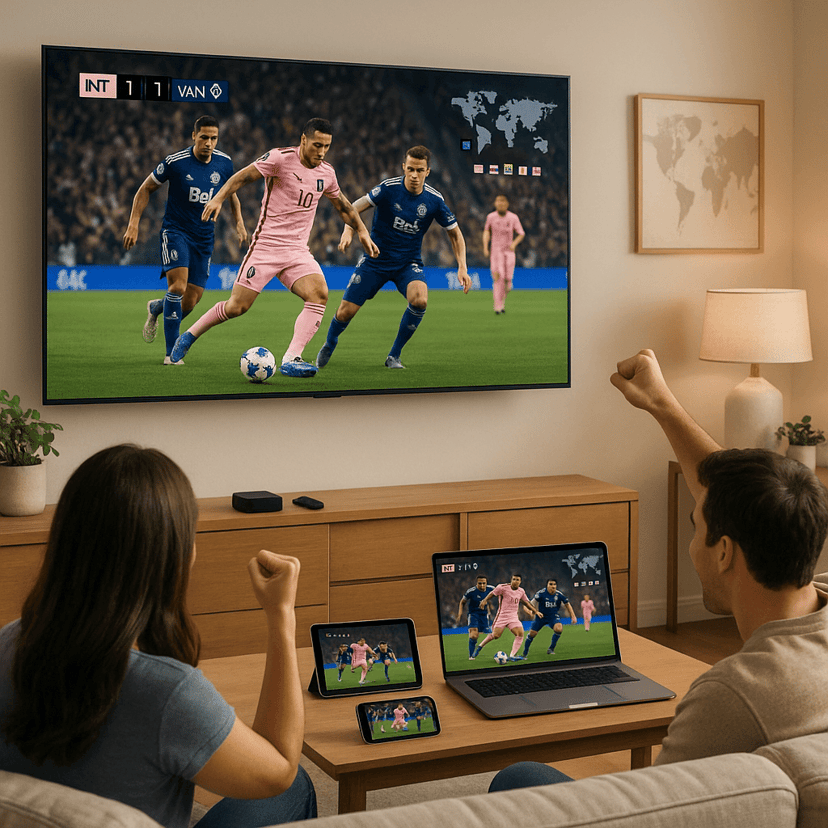
Sports fans have a clear choice: Fubo. The service carries the most comprehensive regional sports networks, from FanDuel and NBC Sports to smaller networks like MASN in Baltimore and Space City in Houston. Fubo's Elite plan includes NFL RedZone and 4K streaming for $105 monthly. But you'll sacrifice major channels like CNN, TBS, and Discovery.
DirecTV represents the old guard's streaming evolution. The former satellite giant includes 82 of the top 100 channels on its Choice plan, plus unlimited DVR and home streaming. That's the most complete channel lineup available, but you'll pay $95-170 monthly depending on premium channels. The app feels sluggish compared to YouTube TV's slick interface.
The testing methodology revealed key differences beyond channel counts. DVR capabilities vary significantly - DirecTV allows recording up to 72 hours in the past, while Sling charges extra for unlimited storage. Streaming limits range from Sling's 3 simultaneous streams to DirecTV's unlimited home viewing.
FAST (free ad-supported television) services are chipping away at the paid streaming model. Tubi, Pluto TV, and Roku Channel offer thousands of specialty channels focused on specific shows or genres. You won't find live sports or breaking news, but FAST services satisfy casual viewing without monthly bills.
The antenna option remains relevant for cord-cutters seeking local channels. A quality indoor antenna like the Mohu Leaf 50 ($50) reaches affiliates within 60 miles, potentially filling gaps from budget streaming services. That's especially useful for Sling or Fubo subscribers missing certain local networks.
Looking ahead, consolidation seems inevitable. Disney's Hulu integration signals broader industry trends toward platform unification. Apple, Amazon, and other tech giants continue investing in sports rights, potentially disrupting traditional streaming TV models further.
The live TV streaming wars have entered a mature phase where price competition gives way to content battles and platform consolidation. Hulu Live TV currently offers the best overall value despite interface issues, while YouTube TV sacrificed key channels for simplicity. Budget-conscious viewers can still save with Sling, but expect to supplement with add-ons. As Disney reshapes the landscape and sports rights fragment further, consumers face an increasingly complex choice between completeness, cost, and convenience. The cord-cutting dream of cheaper, simpler TV has evolved into something that looks suspiciously like the cable bundles it replaced - just delivered over the internet.