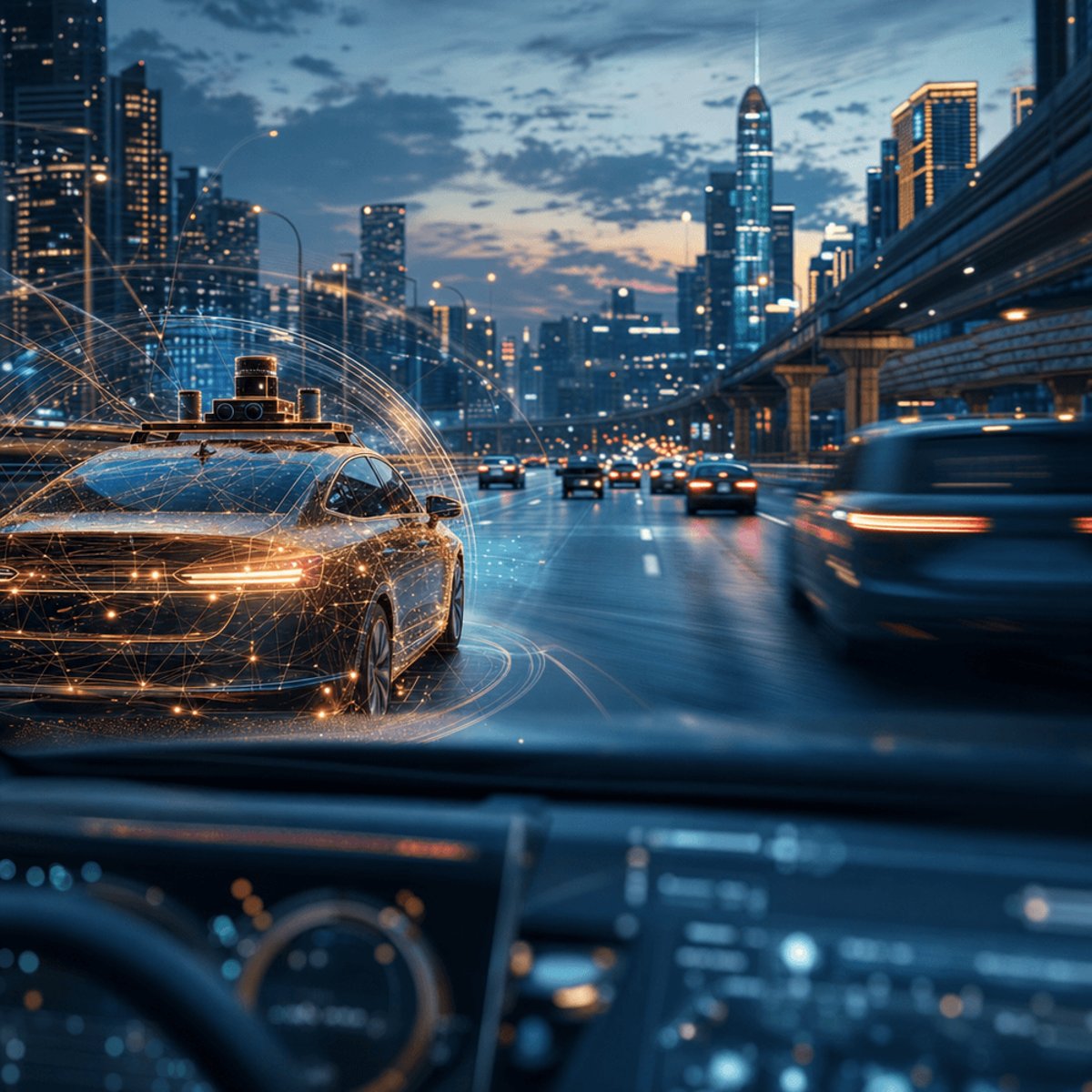
Tesla just flipped the switch on Full Self-Driving (Supervised) in China, the company confirmed Thursday via social media. The launch marks a pivotal moment for the automaker in the world's largest electric vehicle market, where it's been losing ground to homegrown rivals like BYD and Xpeng that have been shipping advanced driver-assistance features for years. After regulatory hurdles and data localization concerns repeatedly pushed back the rollout, Tesla's most hyped software package is now live for Chinese customers.
Tesla is making its long-awaited push into China's autonomous driving arms race. The company announced Thursday that Full Self-Driving (Supervised) is now available to Chinese customers, ending a multi-year wait that left the automaker at a disadvantage in the world's most competitive EV market.
The timing couldn't be more critical. While Tesla dragged its feet through regulatory approval processes, Chinese rivals sprinted ahead. Xpeng has been offering its XNGP autonomous navigation system across hundreds of Chinese cities since 2023. NIO rolled out its Navigate on Pilot+ feature nationwide in 2024. Even BYD, traditionally focused on affordable mass-market vehicles, started shipping advanced driver-assistance tech last year.
Tesla's delay wasn't for lack of trying. China's strict data localization laws require that all driving data collected within the country stay on Chinese servers. Foreign automakers must prove their systems meet stringent security requirements before deploying advanced autonomous features. According to industry analysts, Tesla spent years negotiating with Chinese regulators and building local data infrastructure to satisfy these demands.
The market stakes are enormous. China accounted for roughly 22% of Tesla's $97 billion in revenue last year, but the company's dominance has been slipping. Tesla's China market share dropped from 10.5% in 2022 to 6.7% in 2025, according to data from the China Passenger Car Association. Meanwhile, BYD captured 28% of the market, powered partly by its growing suite of smart driving features that resonated with tech-savvy Chinese buyers.
Full Self-Driving (Supervised) represents Tesla's most advanced autonomous driving package, though the name remains controversial. Despite the branding, the system requires constant driver supervision and doesn't make vehicles fully autonomous. The technology uses cameras and neural networks to handle highway driving, navigate city streets, recognize traffic signals, and execute turns at intersections. Tesla charges $99 monthly or $8,000 upfront for FSD in the United States.
Pricing and availability details for the Chinese rollout remain unclear. Tesla's announcement on X provided no information about subscription costs, which markets would receive access first, or whether the feature set matches what's available in North America and Europe. The company didn't respond to requests for additional details.
The launch comes as China pushes hard to lead the global race in autonomous vehicle technology. Beijing designated intelligent connected vehicles as a strategic priority, pouring subsidies into domestic development and creating testing zones across major cities. Chinese regulators have been more permissive with local companies testing autonomous features than with foreign automakers, creating an uneven playing field that Tesla has privately complained about.
But Tesla isn't the only foreign automaker struggling. Mercedes-Benz received approval for its Level 3 Drive Pilot system in China only last month, years after launching in Germany. BMW is still waiting for regulatory clearance on its Highway Assistant Pro features. The pattern suggests Chinese officials are using autonomous driving regulations as industrial policy, protecting homegrown champions while they build technical capabilities.
For Tesla, the FSD launch represents more than just feature parity with competitors. The system generates valuable training data that feeds back into Tesla's neural networks, improving performance globally. Every mile driven with FSD active helps the company refine its algorithms. By keeping Tesla locked out of China's roads for years, regulators prevented the automaker from accessing one of the world's richest autonomous driving datasets.
The question now is whether Chinese consumers will embrace Tesla's FSD or whether local alternatives have already won their loyalty. Chinese EV buyers have shown they're willing to switch brands based on software features and user experience, not just hardware specs. Xpeng built its entire brand identity around intelligent driving, attracting younger, tech-forward customers who might have otherwise bought Teslas.
Tesla CEO Elon Musk has called China crucial to the company's autonomous driving ambitions. During a surprise visit to Beijing last April, Musk met with senior government officials to discuss data security concerns and pushed for FSD approval. Those conversations appear to have finally borne fruit, though it's unclear what commitments Tesla made regarding data handling and local partnerships.
The competitive dynamics are shifting rapidly. While Tesla spent years locked out, Chinese automakers didn't just match its technology, they started innovating beyond it. Huawei, through its Intelligent Automotive Solutions division, now supplies autonomous driving systems to multiple Chinese brands that some analysts say rival or exceed Tesla's capabilities in urban environments.
Tesla's FSD launch in China closes a critical gap but doesn't erase the years Chinese rivals spent building customer trust and refining their own autonomous systems. The real test comes in the next few quarters as Chinese consumers decide whether Tesla's legendary software reputation translates to local road conditions, or whether homegrown alternatives have already captured the autonomous driving mindshare. With China's EV market maturing and consolidating around a few dominant players, Tesla can't afford another multi-year disadvantage in its next major feature release.