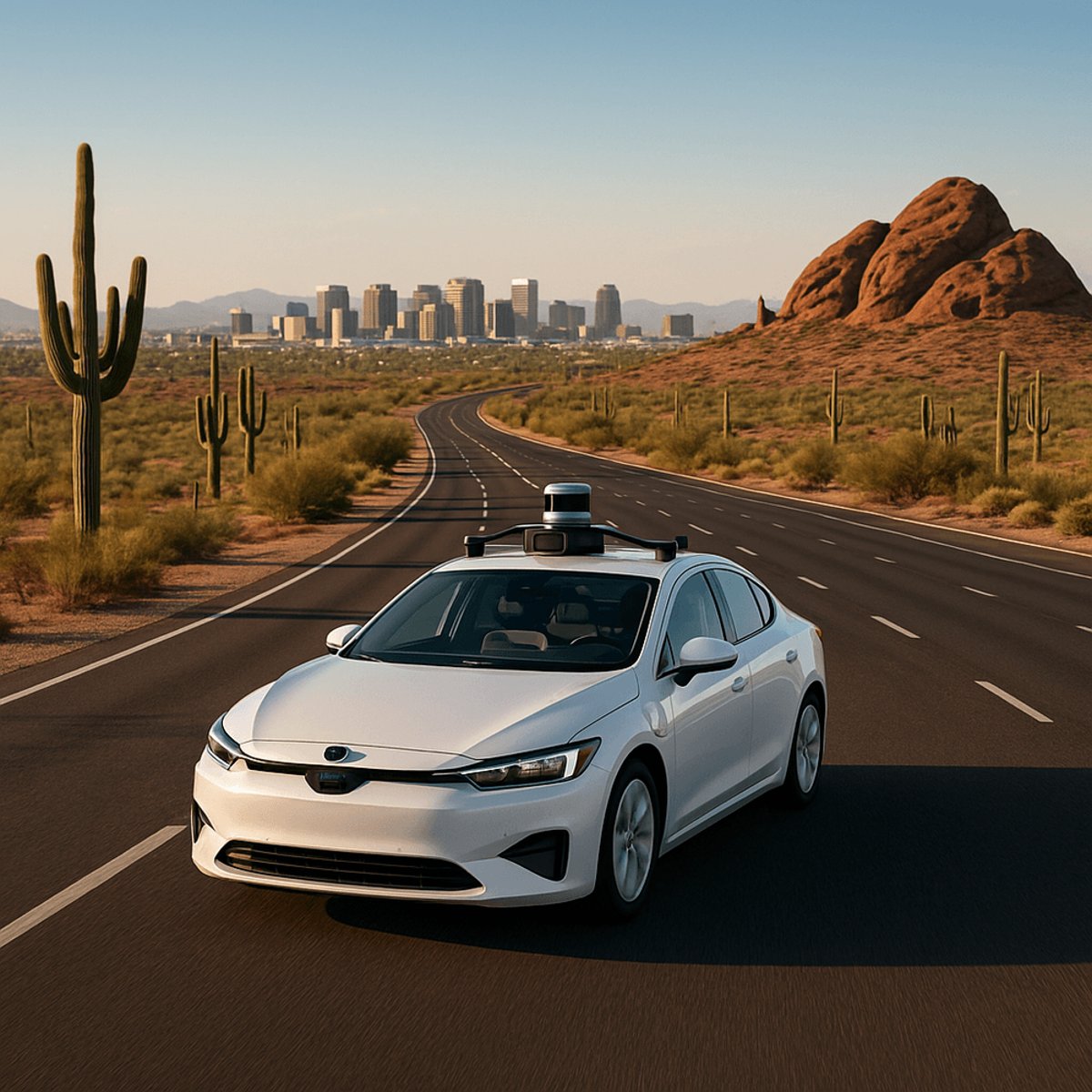
Tesla just secured the final piece of its robotaxi puzzle in Arizona. The electric vehicle giant received a Transportation Network Company permit from state regulators on November 17, clearing the last regulatory hurdle to launch commercial autonomous ride-hailing services. This moves Tesla closer to competing directly with Waymo, which has dominated Arizona's robotaxi market since 2018.
Tesla just crossed the finish line in its race to launch commercial robotaxi services in Arizona. The company received its Transportation Network Company permit from the Arizona Department of Transportation on November 17, just four days after applying - a remarkably swift approval that signals the state's commitment to autonomous vehicle deployment.
The permit represents the final regulatory hurdle Tesla needed to clear before charging passengers for fully autonomous rides. Unlike testing permits that allow companies to operate self-driving vehicles on public roads, the TNC license specifically authorizes commercial ride-hailing services, putting Tesla on equal regulatory footing with established players like Waymo.
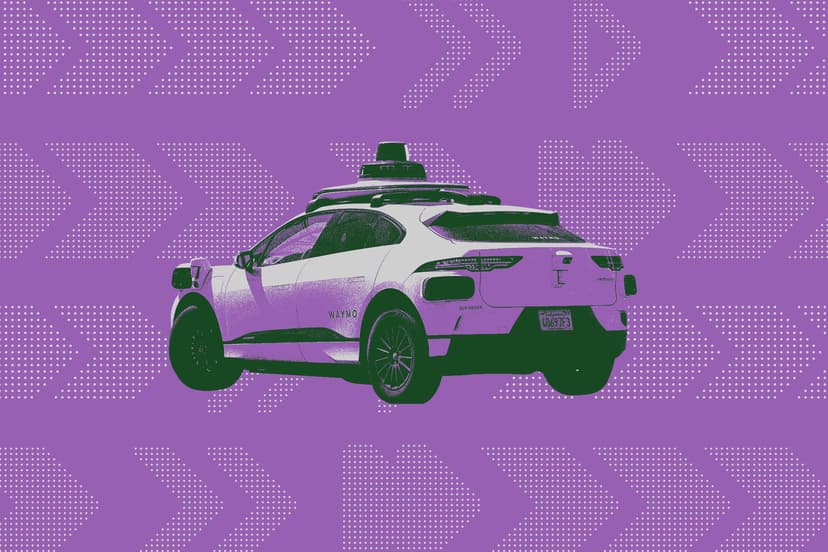
Arizona has become the epicenter of America's robotaxi revolution, and Tesla's entry intensifies an already competitive landscape. Waymo, Alphabet's autonomous vehicle subsidiary, has operated commercial robotaxis in the Phoenix area since 2018, building a service area that now spans 315 square miles across the greater metro region. The Google-backed company has completed millions of autonomous trips and established the blueprint for successful robotaxi operations.
But Tesla's approach differs significantly from Waymo's methodical expansion strategy. Where Waymo spent years mapping routes and conducting extensive testing before launching commercial services, Tesla is leveraging its Full Self-Driving Supervised system and massive fleet data to accelerate deployment. The company's neural network has been trained on billions of miles driven by Tesla owners worldwide, giving it a fundamentally different foundation than competitors who rely primarily on controlled testing environments.
The timeline of Tesla's Arizona push reveals the company's urgency around robotaxi deployment. According to ADOT spokesperson statements to TechCrunch, Tesla first contacted the department in June about autonomous ride-sharing services, expressing specific interest in the Phoenix Metro area. The company completed Arizona's self-certification process for autonomous vehicle testing in September before applying for the commercial permit last week.
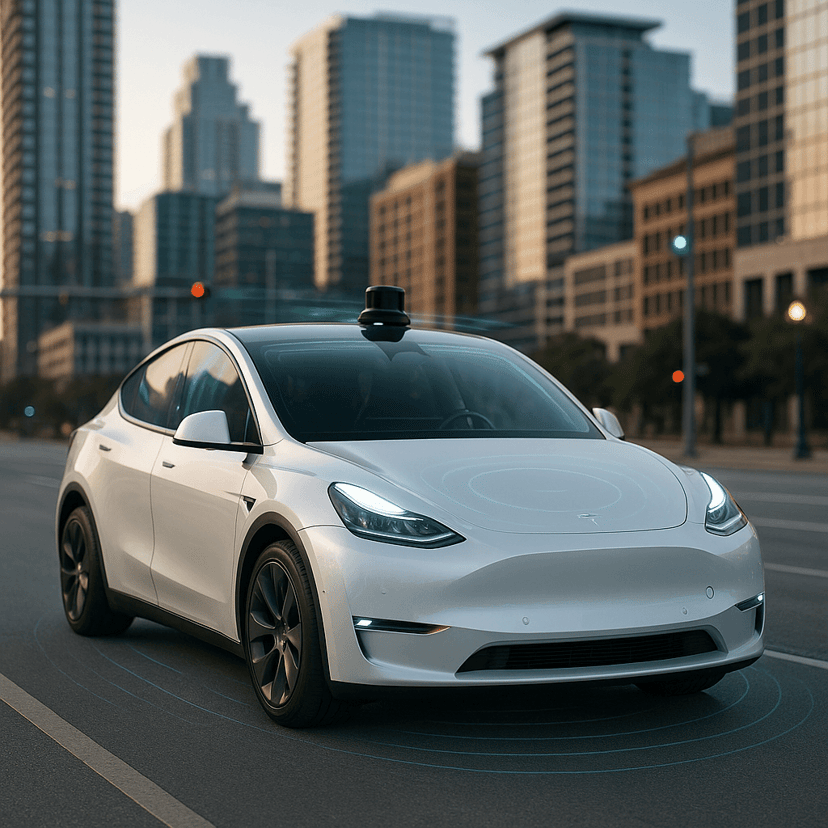
This regulatory success comes as Tesla's broader robotaxi strategy takes shape across multiple states. The company launched a limited service in South Austin in June, though those vehicles still carry human safety operators in passenger seats. In California, Tesla operates what it calls a "pseudo-robotaxi service" using employee drivers in Model Y vehicles equipped with FSD Supervised - a workaround that avoids California's more stringent autonomous vehicle regulations.
The Arizona permit arrival coincides with growing investor pressure on Tesla to deliver on CEO Elon Musk's robotaxi promises. During Tesla's recent earnings calls, Musk has repeatedly emphasized the company's focus on autonomous services as a key revenue driver, projecting that robotaxis could eventually become Tesla's most valuable business segment. Wall Street analysts have been watching closely for concrete progress beyond the prototype vehicles showcased at Tesla's October robotaxi event.
For Arizona, Tesla's entry validates the state's strategy of creating regulatory environments that attract autonomous vehicle companies. The state's approach allows companies to self-certify their autonomous systems rather than requiring extensive pre-approval processes, a framework that has drawn not just Waymo and Tesla but also companies like Cruise and various logistics firms testing autonomous delivery vehicles.
The competitive implications extend beyond Arizona's borders. Tesla's success in securing rapid regulatory approval could accelerate the company's expansion into other robotaxi-friendly states, potentially creating a multi-market launch strategy that challenges Waymo's measured geographic expansion. Industry observers note that Tesla's approach of simultaneous multi-state deployment could help the company achieve the scale needed to make robotaxi operations profitable more quickly than competitors who focus on perfecting operations in single markets before expanding.
Tesla's Arizona permit marks more than just another regulatory milestone - it signals the beginning of serious competition in America's robotaxi market. With Waymo having established the playbook and Tesla bringing its massive data advantage and manufacturing scale, Arizona becomes the testing ground for two fundamentally different approaches to autonomous transportation. The next phase will reveal whether Tesla's rapid deployment strategy can match the reliability and safety record that Waymo has built through years of methodical expansion.