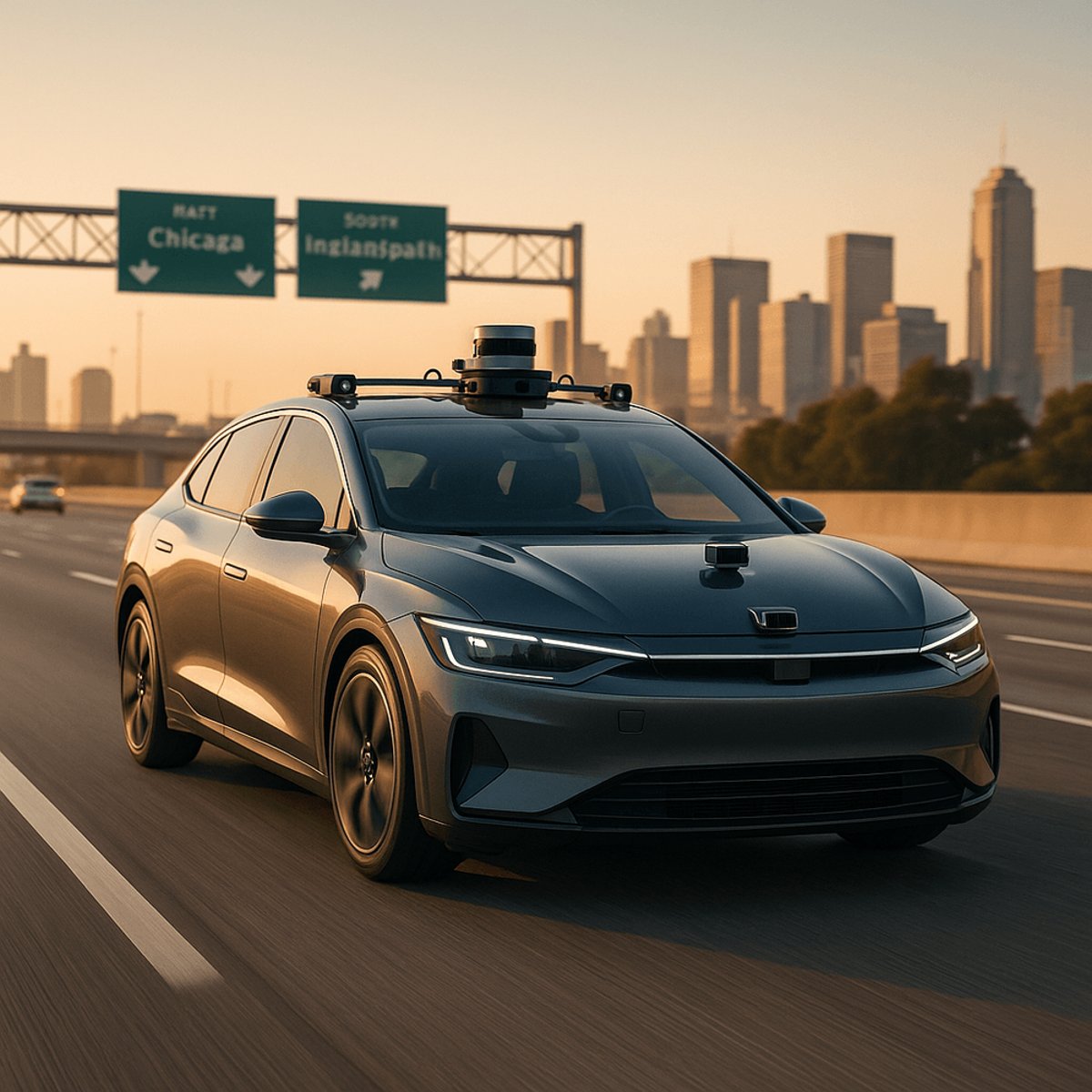
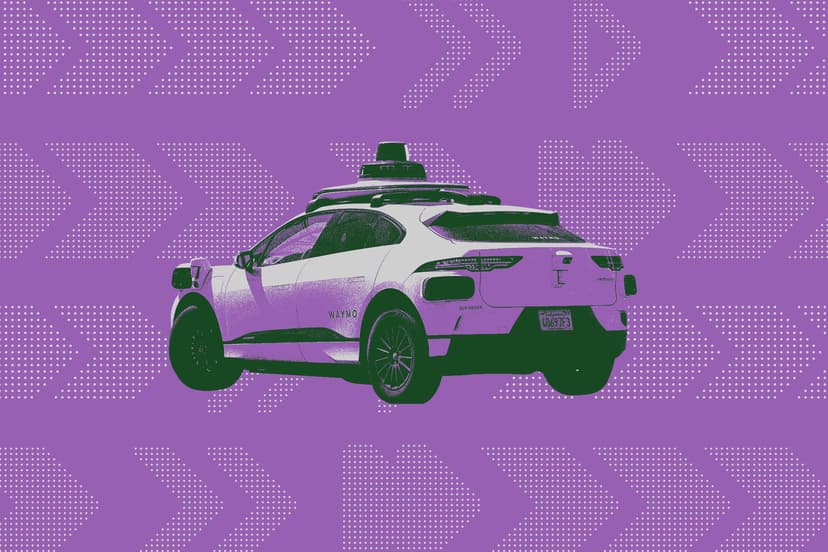
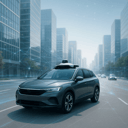
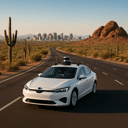
Waymo just cranked up the heat in the robotaxi race, announcing Tuesday it's bringing fully autonomous rides to Houston, San Antonio, and Orlando in 2026. The Alphabet-owned company is doubling the number of cities where it operates without human safety drivers, setting up a major showdown with competitors as autonomous vehicles hit mainstream adoption.
Waymo isn't waiting around for the robotaxi market to mature. The Google sister company dropped a major expansion bombshell Tuesday, announcing it's bringing fully autonomous rides to three new cities in 2026 - Houston, San Antonio, and Orlando. The move doubles Waymo's footprint of cities where human safety drivers won't be behind the wheel.
"Waymo has entered a new phase of commercial scale, doubling the number of cities we operate without a human specialist in the car," Chief Product Officer Saswat Panigrahi said in a statement. The timing isn't coincidental - this announcement landed the same day Amazon's Zoox began letting select San Francisco users hail its driverless vehicles.
The competitive pressure is real. While Waymo already operates paid robotaxi services in Austin, San Francisco, Phoenix, Atlanta, and Los Angeles, competitors are breathing down its neck. Zoox now runs free services in both San Francisco and Las Vegas with a 50-vehicle fleet, according to CNBC reporting from September.
Waymo's expansion strategy follows a proven playbook. The company will start testing with employees in Houston, San Antonio, Miami, Dallas, and Orlando in the coming weeks before opening to paying customers next year. This employee-first approach helped Waymo validate its technology in current markets, where it's delivered more than 10 million paid rides since launching commercial service in 2020.
The 2026 timeline puts Waymo on track for its most aggressive expansion yet. Beyond the Texas and Florida cities, the company previously announced plans to launch in Detroit, Las Vegas, Nashville, San Diego, Washington D.C., and London next year. That's a massive leap from its current five-city operation.
Timing matters here. Just last week, Waymo began offering freeway routes in San Francisco, Phoenix, and Los Angeles - a technical milestone that opens up longer, more valuable trips. The company says it will "gradually extend freeway trips to more riders and locations over time," suggesting the highway capability will roll out to new markets too.
The international angle is particularly intriguing. Waymo has begun testing in both New York City and Tokyo, with London launches planned for 2026. That puts the company ahead of competitors who've mostly focused on U.S. markets.
But expansion brings new challenges. Each city requires months of mapping, testing, and regulatory approval. Weather patterns in Florida and traffic dynamics in Texas present different technical hurdles than Waymo's current markets in California and Arizona. The company will need to prove its technology works in hurricane season and Houston's notorious traffic jams.
The market validation is clear though. Waymo's 10 million paid rides demonstrate consumer appetite exists, and the company's parent Alphabet has deep pockets to fund this expansion. With autonomous vehicle technology finally hitting commercial viability, the race is on to grab market share before regulations tighten or new competitors emerge.
Investors are watching closely as the robotaxi market approaches an inflection point. Waymo's aggressive 2026 expansion timeline suggests the company believes autonomous driving technology is ready for mainstream deployment across diverse urban environments.
Waymo's ambitious 2026 expansion represents a pivotal moment for the autonomous vehicle industry. By doubling its fully autonomous markets and pushing into diverse geographic regions, the company is betting that robotaxi technology has crossed the threshold from experimental to mainstream. The same-day competition with Amazon's Zoox launch signals that the race for robotaxi dominance is accelerating, with consumers in major US cities about to get their first real taste of the driverless future.