Elon Musk just dropped a bombshell that's sending shockwaves through automotive safety circles. The Tesla CEO confirmed Thursday that the latest Full Self-Driving update allows drivers to text while driving - despite texting behind the wheel being illegal in nearly every state. This controversial feature represents a dramatic shift in how autonomous driving systems interact with existing traffic laws.
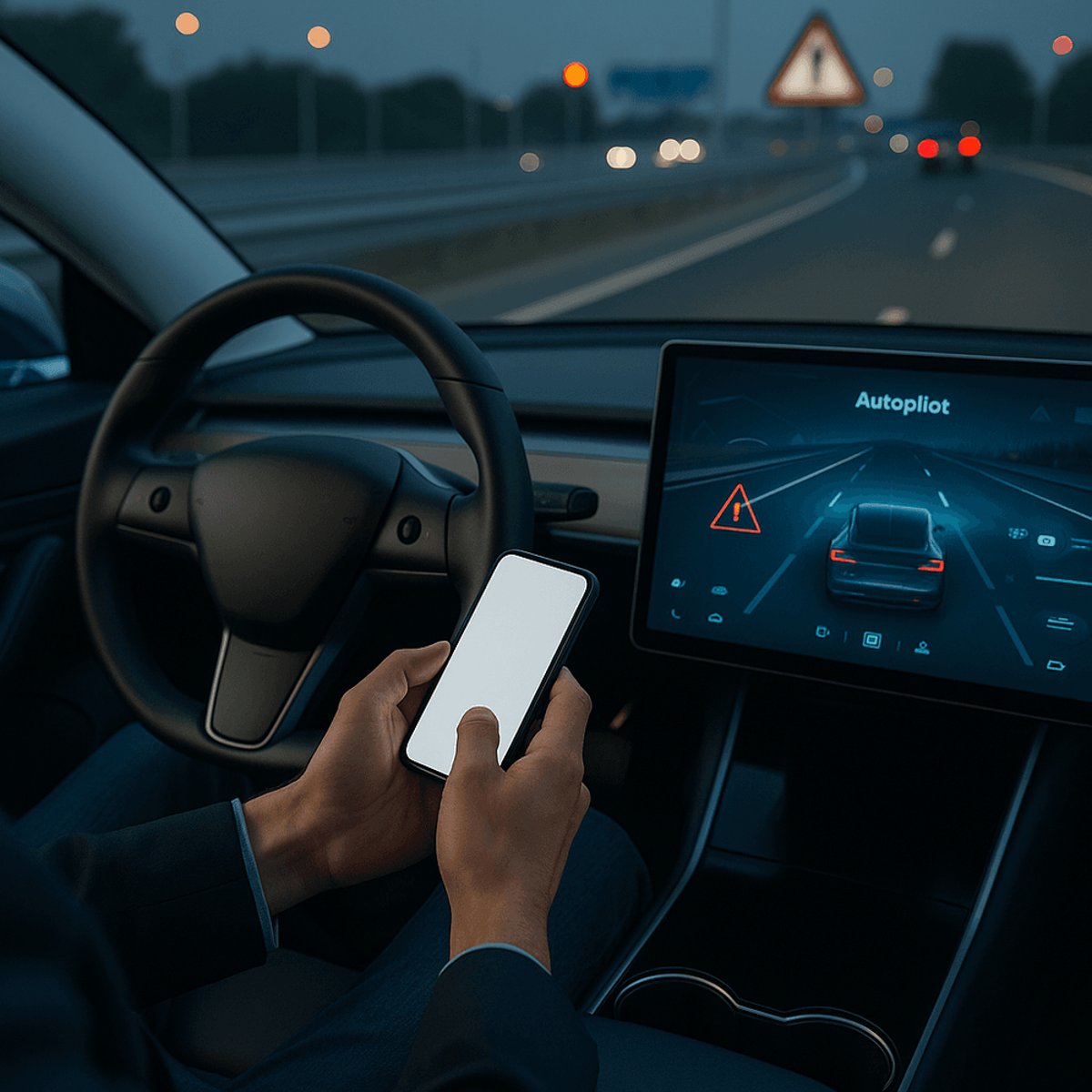
Tesla CEO Elon Musk just ignited a legal firestorm by confirming that drivers can now text while using the company's Full Self-Driving software. The announcement came via Musk's typical channel - an X post Thursday - responding to a user who noticed the latest FSD update no longer flashed warnings when using a phone while driving.
"Depending on context of surrounding traffic," Musk wrote, offering no additional details about how the system determines when texting is supposedly safe. The casual revelation has immediately thrust Tesla into conflict with state laws across America, where texting while driving is banned in nearly all 50 states.
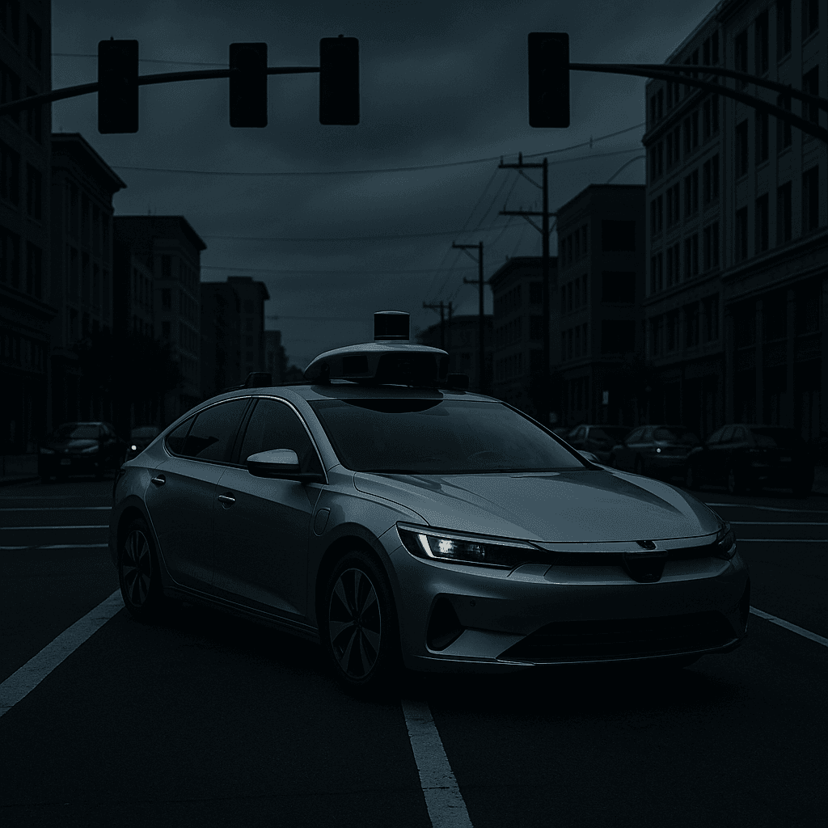
The timing couldn't be worse for Tesla. Federal safety regulators are already breathing down the company's neck over FSD's performance. The National Highway Traffic Safety Administration is currently investigating the software after discovering more than 50 reports of vehicles running red lights or crossing into wrong lanes. NHTSA is simultaneously probing FSD for crashes in low-visibility conditions.
Here's the critical disconnect: despite its name, FSD remains a driver-assistance system, not true autonomy. According to the U.S. Bureau of Transportation Statistics, around half of all states have made any handheld phone usage while driving illegal, with texting bans covering nearly the entire country. Tesla's own documentation warns drivers to keep hands on the wheel even with FSD engaged, making them legally liable for violations.
The system relies on cabin cameras and steering wheel sensors to monitor driver attentiveness - technology that apparently now green-lights phone usage under certain traffic conditions. But this creates a dangerous paradox: if drivers need to be ready to take control when FSD encounters situations it can't handle, how can they simultaneously be trusted to text safely?
Musk himself has previously acknowledged that Autopilot, Tesla's standard driver assistance system, sometimes makes drivers "too complacent and confident." Regulators have linked more than a dozen fatal crashes to active Autopilot usage, highlighting the risks of over-reliance on semi-autonomous systems.
The legal implications extend beyond federal oversight. Tesla is nearing the end of a contentious battle with California's Department of Motor Vehicles over how the company markets FSD and Autopilot. During July hearings, the DMV accused Tesla of misleading customers for years about their cars' self-driving capabilities. The state agency wants a judge to suspend Tesla's California sales and manufacturing for at least 30 days, with a decision expected by year-end.
Industry experts worry this feature sends the wrong message about autonomous vehicle safety. The handover between human and machine control during critical moments has been identified as a major factor in driver assistance system crashes. Encouraging phone usage - even selectively - could worsen this "automation complacency" problem that safety researchers have long warned about.
Tesla no longer maintains a public relations team, leaving Musk's social media posts as the primary source of company communications. The CEO didn't immediately respond to requests for additional details about how FSD determines safe texting contexts or whether the feature considers local traffic laws.
NHTSA also didn't immediately respond to requests for comment on whether this development affects their ongoing FSD investigations.
Musk's casual confirmation of texting-while-driving capability puts Tesla on a collision course with state laws and federal safety investigations. While the company positions this as a context-aware safety feature, it fundamentally misses the mark on the core issue: FSD isn't fully autonomous, meaning drivers remain legally and practically responsible for vehicle operation. As California prepares to potentially suspend Tesla sales and NHTSA investigates mounting safety concerns, this controversial feature could become the catalyst that forces a long-overdue reckoning between Silicon Valley's move-fast-and-break-things mentality and the life-or-death realities of automotive safety regulation.