TL;DR:
• Tesla posts job openings for robotaxi test drivers in Queens without applying for NYC permits
• NYC DOT confirms no permit applications received, while Waymo follows proper channels
• Company expands testing to multiple cities as Elon Musk pivots Tesla toward AI and robotics future
• Austin service set to go public next month despite ongoing regulatory scrutiny
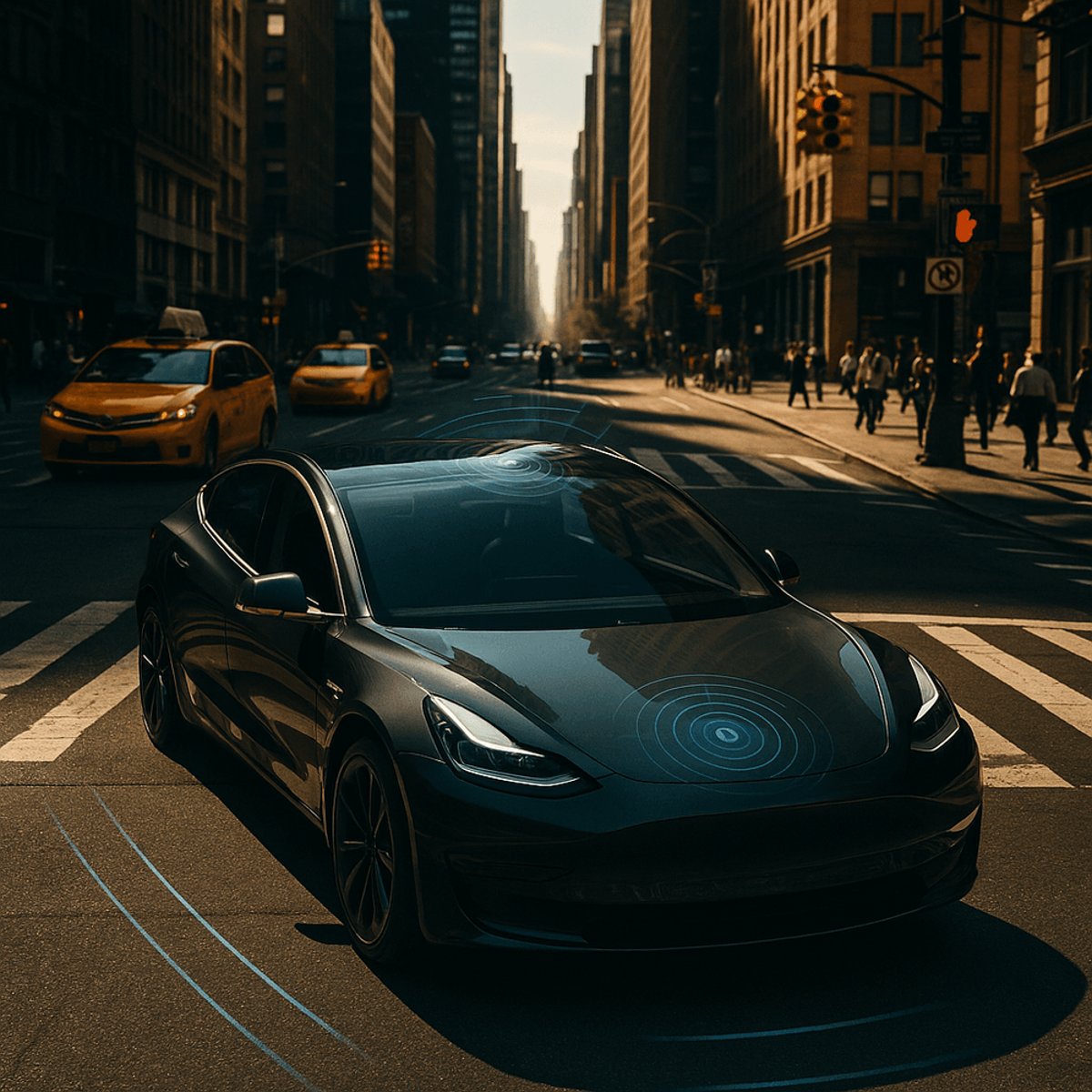
Tesla is recruiting test drivers for "automated driving systems" in Queens while bypassing New York's permit process entirely — a bold move that puts the company on a collision course with city regulators just as its robotaxi ambitions heat up nationwide. The disconnect between Tesla's hiring spree and regulatory compliance highlights the company's aggressive push to expand autonomous testing.
Tesla just ignited a regulatory firestorm in America's largest city. The electric vehicle giant is actively recruiting test drivers for its robotaxi program in Queens through job postings on its website, but the company hasn't bothered applying for the permits required to test autonomous vehicles on New York streets.
The job listing seeks vehicle operators who will be "responsible for driving an engineering vehicle for extended periods, conducting dynamic audio and camera data collection for testing and training purposes." It's a clear signal that Tesla intends to gather the massive datasets needed to train its Full Self Driving system in one of the world's most challenging driving environments.
But here's the problem: New York City's Department of Transportation told CNBC on Monday that Tesla hasn't submitted a single permit application. The city requires any company testing autonomous vehicles to keep "a trained safety driver behind the wheel, ready to take control of an AV-enabled vehicle at all times," according to a DOT spokesperson. Even New York state's DMV confirmed Tesla hasn't applied for automated driving system permits there either.
The contrast with Waymo couldn't be starker. Alphabet's autonomous driving subsidiary — currently the robotaxi leader in North America — has properly applied to test its vehicles in New York, though the application remains under review. The process requires approval from both city and state authorities, demonstrating the regulatory maze that legitimate operators navigate.
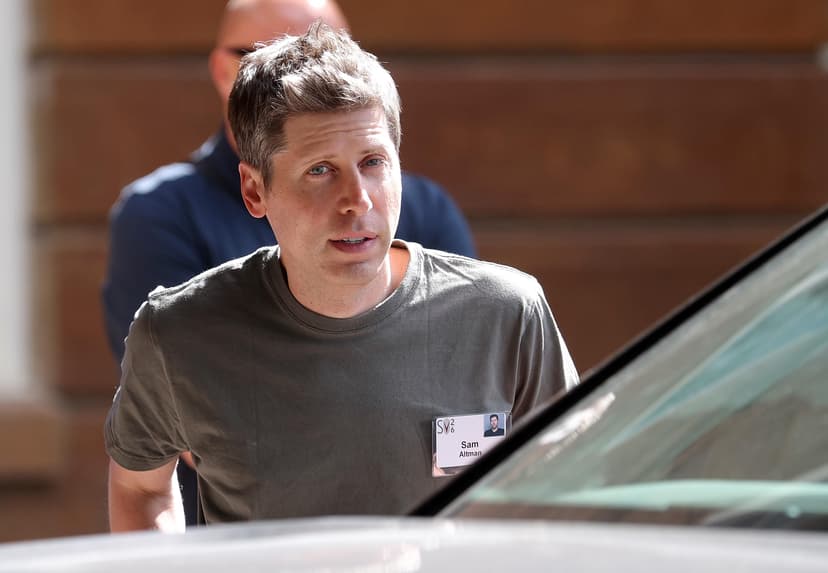
This regulatory sidestepping comes as Tesla CEO Elon Musk desperately tries to pivot his company's narrative from declining EV sales to an AI and robotics future. Tesla's vehicle sales have been sliding this year, especially in Europe, partly due to Musk's focus on the niche Cybertruck rather than a more affordable mass-market EV. Political backlash against Musk's inflammatory rhetoric and his work with President Donald Trump has also damaged the brand.
The Queens hiring push represents just one front in Tesla's expanding testing campaign. The company is simultaneously recruiting Autopilot test drivers across Dallas, Houston, Tampa, Orlando, Miami, and Palo Alto, California. Job listings suggest these operators may travel internationally, hinting at global testing ambitions for Tesla's robotaxi and FSD systems.
Tesla did score a significant victory in Texas last week, obtaining a permit to run a ride-hailing service through Tesla Robotaxi LLC. Unlike New York's requirements, Texas regulations don't mandate human safety drivers on board. The company has been operating robotaxis in Austin since June with Tesla employees in passenger seats ready to intervene, serving only invited users.
Musk announced over the weekend that the Austin service will open to the general public next month, marking a crucial test of Tesla's autonomous capabilities. Meanwhile, in San Francisco, Tesla runs a limited service it promotes as "autonomous ride-hailing," though the California Public Utilities Commission confirmed the company lacks authorization to carry passengers in truly autonomous vehicles on public roads.
The regulatory tensions extend beyond permitting. Tesla's autonomous driving approach has triggered federal investigations, product liability lawsuits, and recalls following accidents during Autopilot and FSD use. The California DMV previously sued Tesla for false advertising around its driver assistance systems, highlighting the gap between marketing claims and actual capabilities.
The contradiction runs deep in Tesla's messaging. While owner manuals clearly state that Autopilot and FSD require constant driver attention and readiness to intervene, both Musk and Tesla have repeatedly claimed their vehicles can "drive themselves." This messaging disconnect has become central to ongoing legal challenges.
Tesla's permit-free approach in New York signals either supreme confidence in its legal position or willingness to fight regulators while expanding its data collection footprint. With Waymo playing by the rules and Tesla bypassing them entirely, the robotaxi race is becoming as much about regulatory strategy as technological advancement.
Tesla's permit-free hiring spree in New York encapsulates the company's broader regulatory gamble. While competitors like Waymo methodically work through approval processes, Tesla is betting it can expand testing operations faster than regulators can respond. With Austin service going public next month and multiple cities now in Tesla's crosshairs, this strategy will either accelerate the robotaxi rollout or trigger a regulatory crackdown that forces the company to slow down. The next few months will determine whether Tesla's aggressive approach pays off or backfires spectacularly.