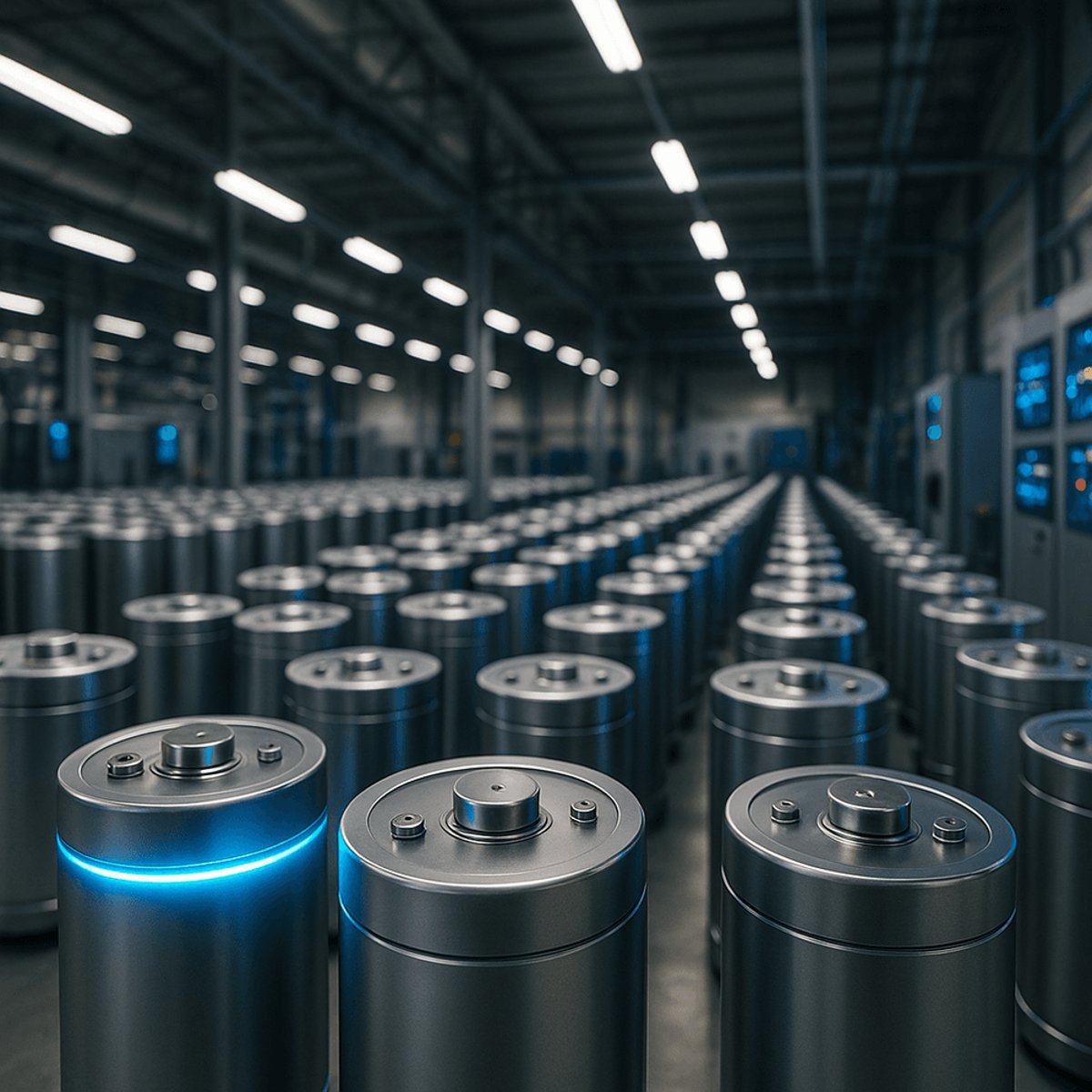
Tesla just locked down a $4.3 billion supply agreement with LG Energy Solution for U.S.-made battery cells, marking one of the biggest domestic battery deals in the energy storage sector. The cells will come from LG's Michigan facility - a plant previously associated with GM operations - as Tesla doubles down on securing American-made components for its rapidly expanding energy storage business. The move signals Tesla's growing focus beyond vehicles and into the booming grid-scale battery market.
Tesla is making a major bet on American battery production with a freshly inked $4.3 billion supply agreement with LG Energy Solution, one of the world's largest battery manufacturers. The deal centers on U.S.-produced battery cells manufactured at LG's Michigan facility, a plant that previously had ties to General Motors before the automaker's restructuring efforts.
What makes this deal particularly notable is its focus on energy storage systems rather than electric vehicles. Tesla's energy division has been quietly exploding in recent years, with the company deploying massive grid-scale battery installations from California to Texas to Australia. According to Tesla's Q4 2025 earnings report, energy storage deployments hit record levels, suggesting the company needs to secure vast new supplies to keep pace with demand.
The Michigan connection adds another layer of significance. By sourcing cells from a U.S. facility, Tesla positions itself to benefit from domestic content requirements in the Inflation Reduction Act and other federal incentives designed to bolster American clean energy manufacturing. It's a strategic move that mirrors Tesla's broader push to localize its supply chain after years of depending heavily on Asian suppliers.
LG Energy Solution has been ramping up its North American footprint aggressively. The company operates multiple U.S. facilities and has partnerships spanning from GM joint ventures to standalone battery plants. This Tesla deal represents LG's largest single customer commitment in the energy storage segment and validates the Korean giant's expensive bet on building manufacturing capacity stateside.
The timing couldn't be better for both companies. Grid-scale battery storage is experiencing explosive growth as utilities scramble to integrate renewable energy sources like wind and solar. Without massive battery banks to store excess generation, the renewable transition stalls. Tesla has positioned its Megapack product as the go-to solution, with installations powering everything from California's grid stabilization efforts to remote mining operations in Australia.
For Tesla, securing a $4.3 billion supply agreement locks in critical components at a time when battery cell shortages have constrained growth across the industry. The company has been expanding its own cell production through partnerships and in-house development, but external suppliers like LG remain essential to meeting aggressive deployment targets.
The Michigan plant's history with GM adds an ironic twist. As the Detroit automaker pulled back from certain battery initiatives and restructured its electrification strategy, LG has repurposed capacity to serve Tesla's booming energy storage needs. It's a vivid illustration of how quickly fortunes can shift in the battery wars, with yesterday's automotive partnerships giving way to today's grid storage gold rush.
Industry analysts see the deal as validation of Tesla's energy storage thesis. While the company's automotive business grabs headlines, the energy division has been posting remarkable growth with higher margins than vehicle sales. By securing long-term supply at scale, Tesla can pursue utility contracts and commercial installations with confidence that it won't face component shortages.
The $4.3 billion figure represents a multi-year commitment, though neither company disclosed the exact timeline or cell specifications. Based on typical grid storage deployments, the volume likely supports several gigawatt-hours of annual Megapack production - enough to power hundreds of thousands of homes during peak demand periods.
What comes next will be fascinating to watch. Tesla has signaled ambitious plans to scale energy storage deployments by 300% over the next two years, according to CEO commentary during recent earnings calls. Deals like this LG partnership provide the supply foundation to make those targets realistic rather than aspirational. Meanwhile, competitors from Fluence to Chinese battery makers are racing to secure their own U.S. manufacturing partnerships as the grid storage market heats up.
This $4.3 billion battery deal isn't just about Tesla securing components - it's a signal that grid-scale energy storage has arrived as a massive industrial market. By partnering with LG Energy on U.S.-made cells from a repurposed Michigan facility, Tesla locks in supply while satisfying domestic content requirements that unlock federal incentives. The real story here is how energy storage is quietly becoming as important to Tesla's future as electric vehicles, with utility-scale batteries potentially offering better margins and faster growth than car sales. As renewable energy mandates accelerate and grid operators desperately need storage capacity, deals like this will define who controls the infrastructure of tomorrow's electric grid.