The Tesla faithful are walking away. A growing number of influencers who built their online presence championing the electric vehicle maker are publicly distancing themselves from the brand, citing CEO Elon Musk's increasingly polarizing political stances and what they call misleading hype around Full Self-Driving technology. The exodus marks a rare fracture in one of the tech industry's most devoted online communities, with potential ripple effects for Tesla's brand perception as competition in the EV market intensifies.
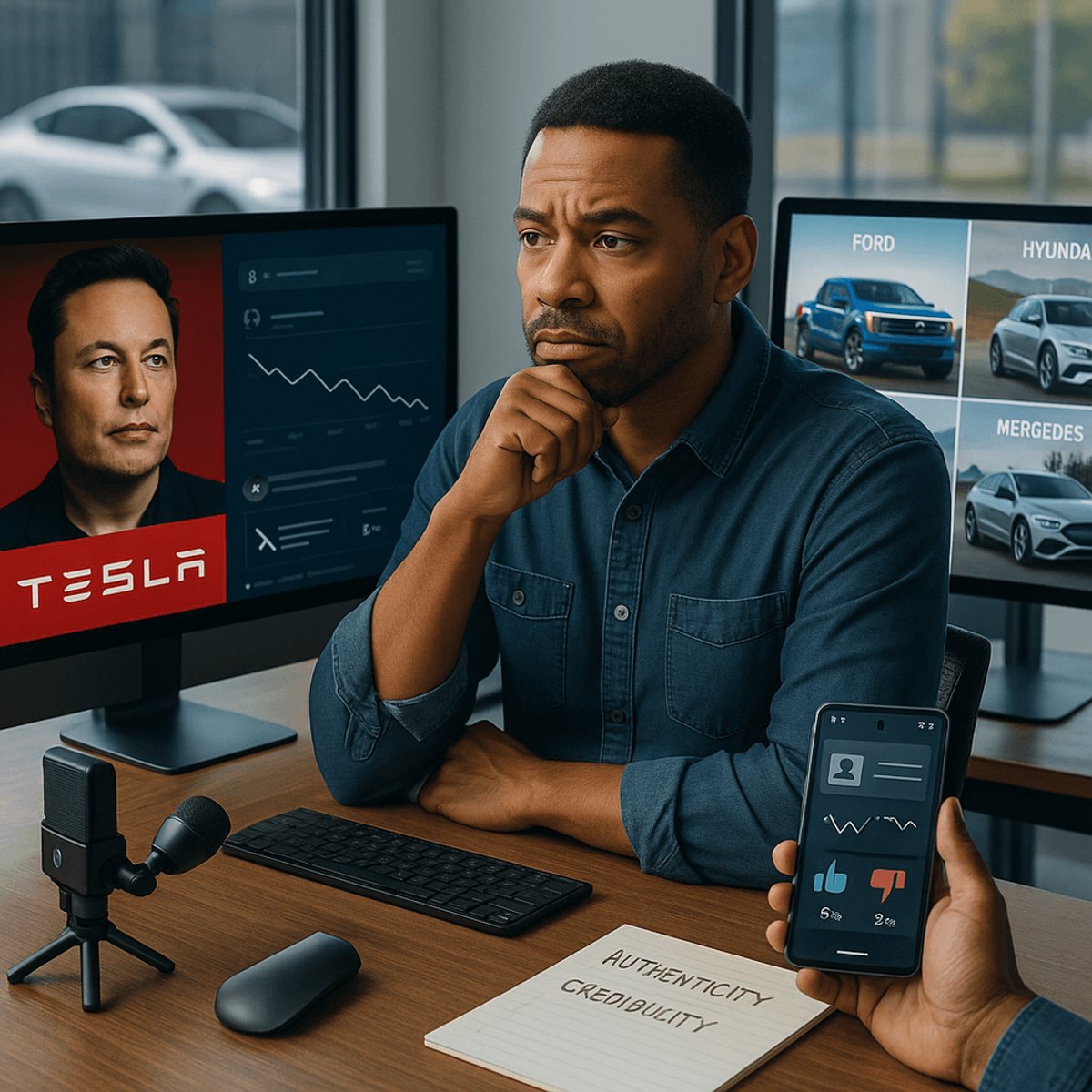
Tesla is losing its most valuable marketing asset: true believers. The electric vehicle maker's robust influencer ecosystem, which organically promoted the brand for years without a traditional advertising budget, is showing cracks as prominent content creators publicly announce their departures from what some now call the "Tesla cult."
The defections center on two flashpoints: Elon Musk's political evolution and the persistent reality gap around Full Self-Driving. Influencers who once evangelized Tesla's mission to accelerate sustainable transport now find themselves at odds with Musk's inflammatory social media presence and his pivot toward controversial political territory. The CEO's behavior on X, the platform he owns, has become impossible for some brand advocates to reconcile with their own values.
But the political dimension tells only half the story. Full Self-Driving, Tesla's premium driver assistance package that costs up to $15,000, has become a focal point of frustration. Musk has promised full autonomy was just months away for nearly a decade, yet the system still requires constant driver supervision and falls short of its name. For influencers who championed FSD to their audiences based on Musk's assurances, the unfulfilled predictions have damaged their own credibility.
The timing couldn't be worse for Tesla. The company faces mounting competition from legacy automakers who've finally brought compelling EV alternatives to market. Ford's F-150 Lightning, GM's Ultium platform, and Rivian's adventure-focused trucks now give consumers options that didn't exist when Tesla dominated the conversation. When brand loyalists become brand skeptics, those alternatives suddenly look more appealing.
The influencer ecosystem around Tesla was unique in the automotive world. Unlike traditional car enthusiasts who might follow multiple brands, Tesla supporters often exhibited singular devotion, creating content that blurred the line between fandom and advocacy. This grassroots army amplified every product announcement, defended the company against critics, and convinced friends and family to make the switch to electric. The community effectively served as Tesla's marketing department, allowing the company to spend virtually nothing on traditional advertising while building one of the world's most valuable automotive brands.
Now that foundation is eroding. Content creators are finding that association with Tesla has become politically charged in ways that alienate portions of their audience. Some report harassment from both sides, attacked by Tesla defenders for insufficient loyalty and criticized by others for ever supporting Musk's ventures. The personal cost of advocacy has shifted the calculus for influencers whose livelihoods depend on audience trust.
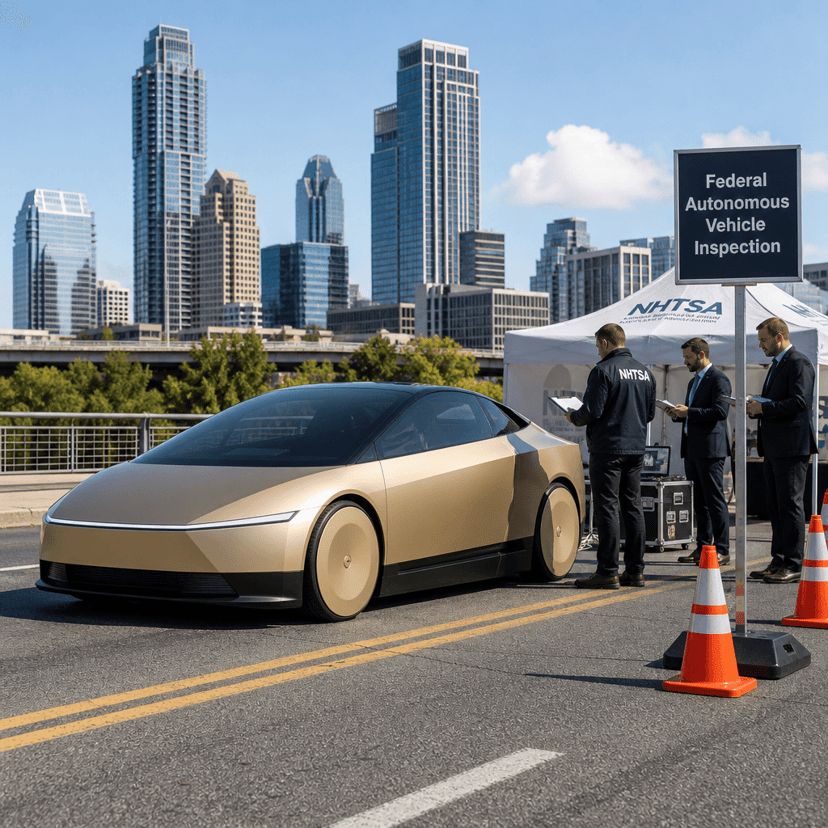
The Full Self-Driving issue cuts deeper because it touches on credibility. When influencers promoted FSD based on Musk's timeline promises, they effectively staked their reputations on his word. Years of missed predictions have left many feeling burned. The technology has improved incrementally, but the gap between "Full Self-Driving" branding and the reality of a Level 2 driver assistance system remains stark. Regulatory scrutiny has intensified, with the National Highway Traffic Safety Administration investigating multiple crashes involving the technology.
For Tesla, the influencer exodus represents more than hurt feelings. These content creators served as trusted intermediaries, translating Tesla's technology and mission for mainstream audiences. They provided social proof that made fence-sitters into buyers. Without that organic advocacy, Tesla faces the prospect of competing like every other automaker, relying on product quality and traditional marketing in an increasingly crowded field.
The phenomenon also highlights the risks of building brand loyalty around a charismatic founder. When Musk's personal brand aligned with Tesla's mission-driven image, the strategy worked brilliantly. But as Musk's interests have diversified across SpaceX, Neuralink, and X, and as his political voice has grown louder, that alignment has fractured. Influencers who signed up to promote sustainable transportation didn't necessarily sign up to defend Musk's latest political provocation.
Some departing influencers report they're not abandoning electric vehicles, just Tesla specifically. They're exploring alternatives from Hyundai, Kia, and Mercedes-Benz, taking their audiences with them. This migration of attention could accelerate the market share erosion Tesla has experienced as competition intensifies. The company's U.S. EV market share has declined as new models flood showrooms, and losing influencer support threatens to accelerate that trend.
The situation underscores a broader tension in the creator economy. Influencers build audiences around authentic enthusiasm, but sustaining that authenticity becomes complicated when the object of enthusiasm changes or when supporting it carries social costs. The Tesla influencers walking away face a difficult transition, needing to explain their shift to audiences who may have followed them specifically for Tesla content. Some risk losing followers loyal to the brand, while others may gain credibility by demonstrating independence.
For the remaining Tesla influencer community, the departures create both opportunity and pressure. Those who stay inherit a larger share of attention from the devoted base, but they also face intensified scrutiny about whether they're truly independent voices or simply unwilling to abandon their niche. The line between enthusiast and shill has never been more carefully policed.
The Tesla influencer exodus represents more than a public relations challenge. It signals a fundamental shift in how the brand resonates with the very community that helped build it. As Musk's political profile rises and Full Self-Driving promises continue to outpace reality, the cost of advocacy has grown too high for influencers who value their own credibility. For Tesla, the loss of these organic voices comes precisely when intensifying competition demands stronger, not weaker, brand loyalty. The company that revolutionized electric vehicles by inspiring devotion now faces the possibility that devotion has limits, and it may need to win customers the old-fashioned way: by letting the product speak louder than the founder.