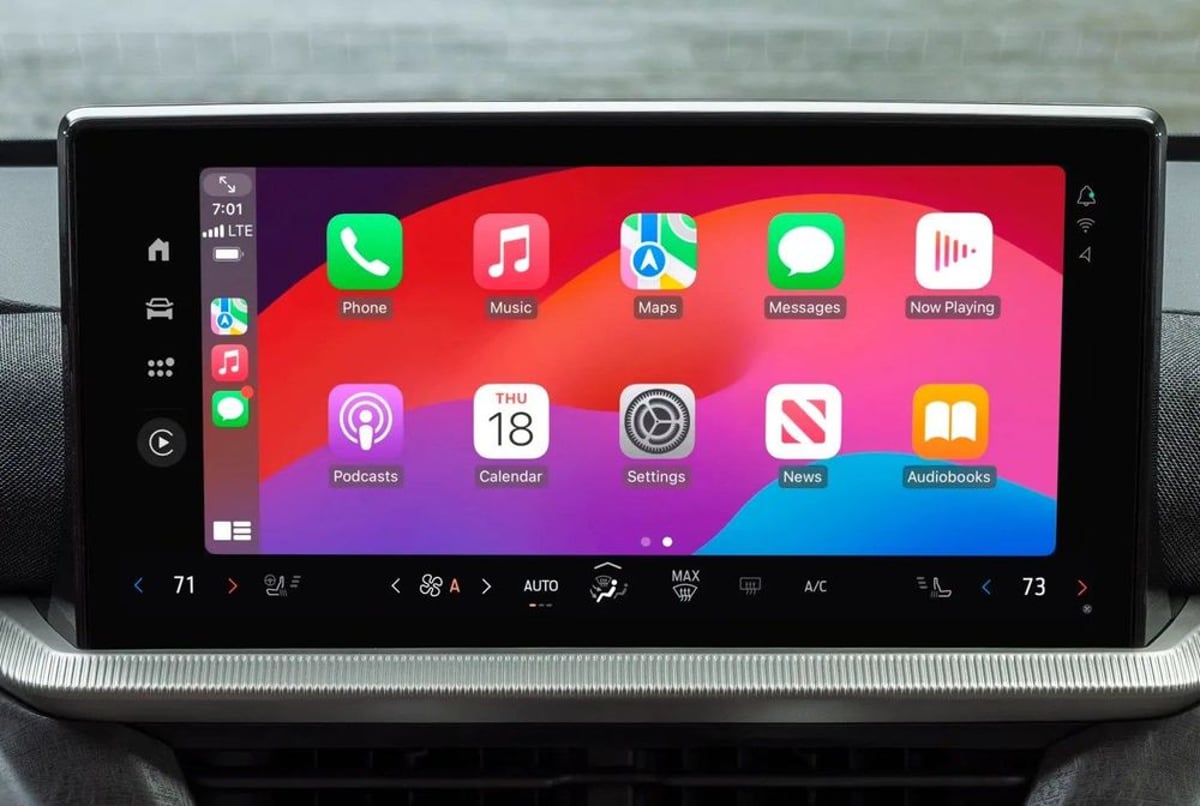
Tesla, the longtime holdout against smartphone integration, is quietly testing Apple CarPlay internally as the EV maker scrambles to reverse a sales slump. According to Bloomberg sources, the feature could launch within months - marking a stunning reversal for a company that's spent years arguing its own software was superior to phone mirroring.
Tesla just blinked first in the great smartphone integration standoff. The company that once proudly declared its software superior to anything Apple or Google could offer is now quietly testing CarPlay integration, according to Bloomberg sources familiar with the matter.
This isn't just any feature addition - it's a philosophical surrender. For over a decade, Tesla has insisted that allowing phone mirroring would compromise the seamless, integrated experience that separates its vehicles from traditional automakers. CEO Elon Musk has been particularly vocal about maintaining software control, viewing CarPlay as a crutch for companies that can't build proper interfaces.
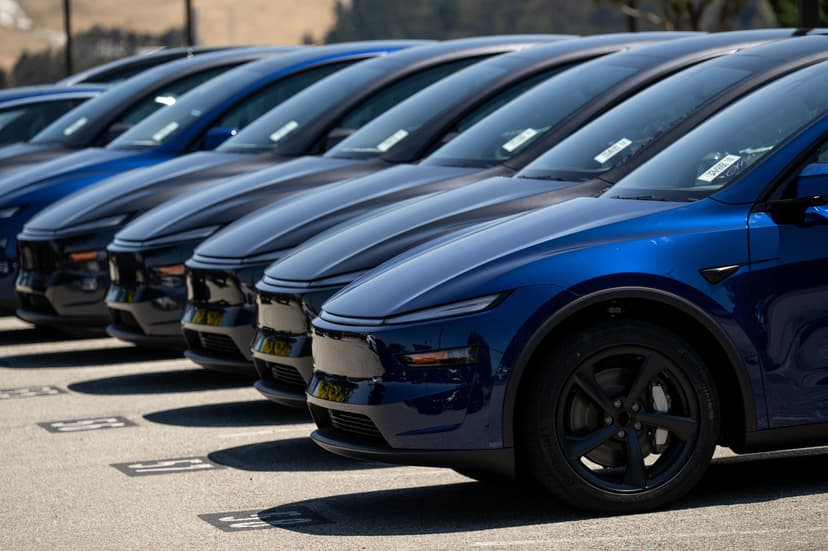
But desperation changes everything. Tesla's sales have been sliding, and the company is scrambling for ways to juice demand. The EV pioneer that once commanded premium prices purely on brand cachet now finds itself competing on features - the very game it swore it would never play.
The numbers tell the brutal story. McKinsey research from 2023 found that 47% of global car buyers won't purchase a vehicle without CarPlay or Android Auto support. Even more damning, 85% of respondents preferred phone-based systems over their car's built-in software. That's not just a preference - it's a market rejection of Tesla's core philosophy.
Tesla's implementation would be characteristically controlled. Sources tell Bloomberg the company plans to display CarPlay within a window inside its larger interface, ensuring Tesla's software remains the primary experience. The company also plans to stick with standard CarPlay rather than adopting Apple's more immersive CarPlay Ultra, which can take over core vehicle functions like climate and speedometer displays.
The timing reveals just how much pressure Tesla is feeling. The company that once enjoyed months-long waiting lists now faces the reality of traditional automotive competition. Ford, GM, and other legacy manufacturers have caught up on electric powertrains while maintaining the smartphone integration that consumers demand.
Musk's complicated relationship with Apple adds another layer to this story. He's criticized Apple's App Store policies, and was reportedly furious when Apple poached Tesla engineers for its own failed car project. Now he's essentially admitting that Apple got something right that Tesla got wrong.
The automotive industry is watching this reversal closely. While Tesla considers embracing CarPlay, GM is moving in the opposite direction, planning to eliminate CarPlay support from future vehicles in favor of its own software ecosystem. It's a fascinating role reversal that shows how quickly market dynamics can shift.
Still, Tesla being Tesla, there's no guarantee this actually ships. The company has a well-documented history of testing features internally for months or years before quietly killing them. But given the sales pressure and consumer demand data, CarPlay integration seems more likely than most Tesla promises.
For consumers, this potential shift represents validation of a simple principle: people want their phones to work seamlessly with their cars. No matter how sophisticated Tesla's built-in software becomes, it can't match the personalized experience of your own device with your own apps, contacts, and preferences.
Tesla's potential CarPlay adoption represents more than a feature update - it's an admission that consumer preferences trump engineering philosophy. If Tesla does ship CarPlay integration, it would mark the end of smartphone integration holdouts among major automakers, potentially reshaping how the entire industry approaches in-car software. The question isn't whether Tesla should add CarPlay, but whether this concession comes too late to meaningfully impact its sliding sales trajectory.