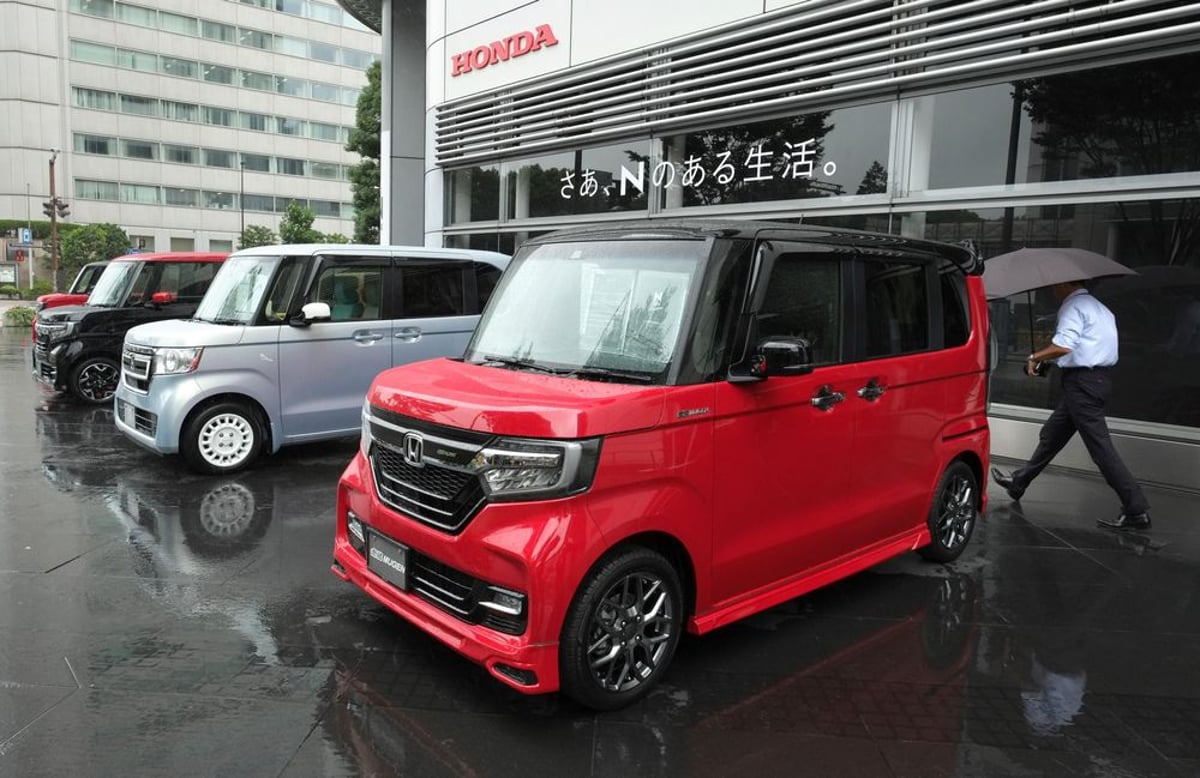
President Trump just threw his support behind Japan's tiniest trucks, directing the Transportation Department to clear regulatory hurdles for kei vehicle production in America. The surprise endorsement came during a briefing focused on rolling back fuel economy standards, where Trump called the pint-sized vehicles "very small" and "really cute." With kei truck imports already tripling over five years, this regulatory shift could reshape America's oversized vehicle landscape.
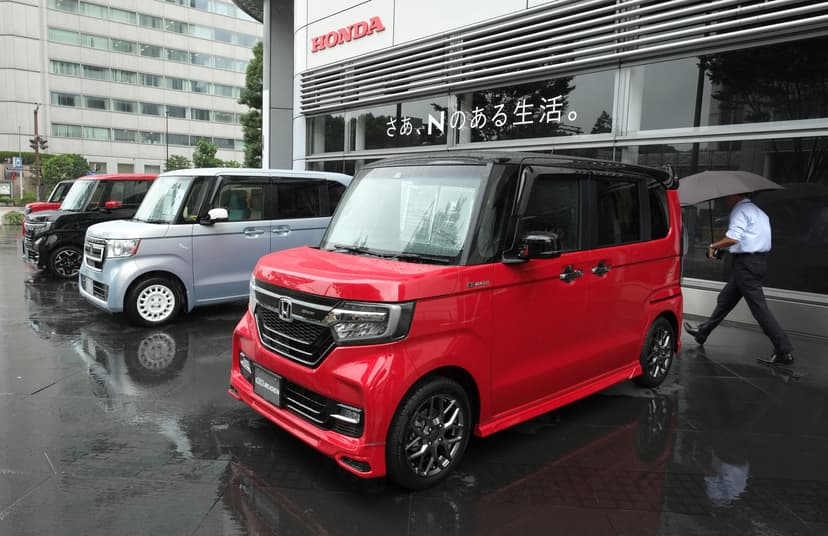
Trump just became the most unlikely champion of Japan's diminutive automotive exports. During what was supposed to be a straightforward announcement about gutting fuel economy standards, the President went off-script to praise kei trucks - those tiny utility vehicles that look like they were designed for a miniature golf course.
"They're very small. They're really cute," Trump told reporters, comparing them to the classic Volkswagen Beetle. "And I said, how would that do in this country? And everyone seems to think, good, but you're not allowed to build them."
Transportation Secretary Sean Duffy immediately confirmed the regulatory shift. "He gave me the directive to clear the regulations on this, which we have," Duffy said. "And so if Toyota or any other company wants to make smaller, more affordable cars, fuel efficient, we have cleared the deck so they can make them in America and sell them in America."
The timing couldn't be more interesting. Kei trucks are quietly experiencing a surge in American popularity, with sales tripling over the past five years to around 7,500 imports annually, according to Japan Used Motor Vehicle data cited by CNN. These vehicles, built to satisfy Japan's strict "keitora" (light truck) regulations, max out at 660cc engines and specific size constraints that make them street-legal golf carts with actual utility.
But here's where it gets complicated. Current federal rules create a bizarre 25-year waiting period - you can only import kei trucks that are a quarter-century old or older. Meanwhile, state laws around registration and road legality remain a patchwork of confusion. The vehicles must also comply with Federal Motor Vehicle Safety Standards, covering everything from steering wheel placement to crash safety requirements.
Many states do allow low-speed vehicles like golf carts on certain roads, which creates a potential regulatory loophole that kei trucks might slip through. But the real question isn't whether they can be made legal - it's whether Americans will actually buy them.
Kei vehicles represent the complete opposite of America's supersized vehicle trend. While US trucks and SUVs keep getting bigger and more aggressive, these Japanese imports offer something radically different: efficiency over ego. They've already built a devoted following among enthusiasts who post memes and sell merchandise on Instagram to tens of thousands of followers.
The irony isn't lost on industry watchers. Trump's endorsement comes as part of a broader rollback of Biden-era fuel efficiency standards, ostensibly to make cars more affordable. Yet kei trucks represent exactly the kind of fuel-efficient, affordable transportation that environmental advocates have been pushing for years.
"The directive to clear regulations" sounds definitive, but USDOT hasn't responded to questions about what specific authorization Trump actually gave Duffy. The regulatory reality is that kei trucks still face significant hurdles around safety standards and state-level road legality that can't be wished away with presidential enthusiasm.
Whether automakers will actually invest in kei truck production for the American market remains highly uncertain. These vehicles succeed in Japan's dense urban environment and narrow streets, but they might struggle to find their place on American highways dominated by massive pickups and SUVs. The enthusiast community exists, but it's still relatively niche compared to mainstream vehicle buyers who prioritize size and power.
Trump's unexpected endorsement of kei trucks highlights the growing tension between America's obsession with massive vehicles and a small but passionate movement toward practical, efficient transportation. While the regulatory directive sounds promising, the real test will be whether automakers see enough market demand to justify production investments. For now, kei truck enthusiasts have their most powerful advocate yet - even if he discovered them almost by accident during a completely unrelated policy announcement.