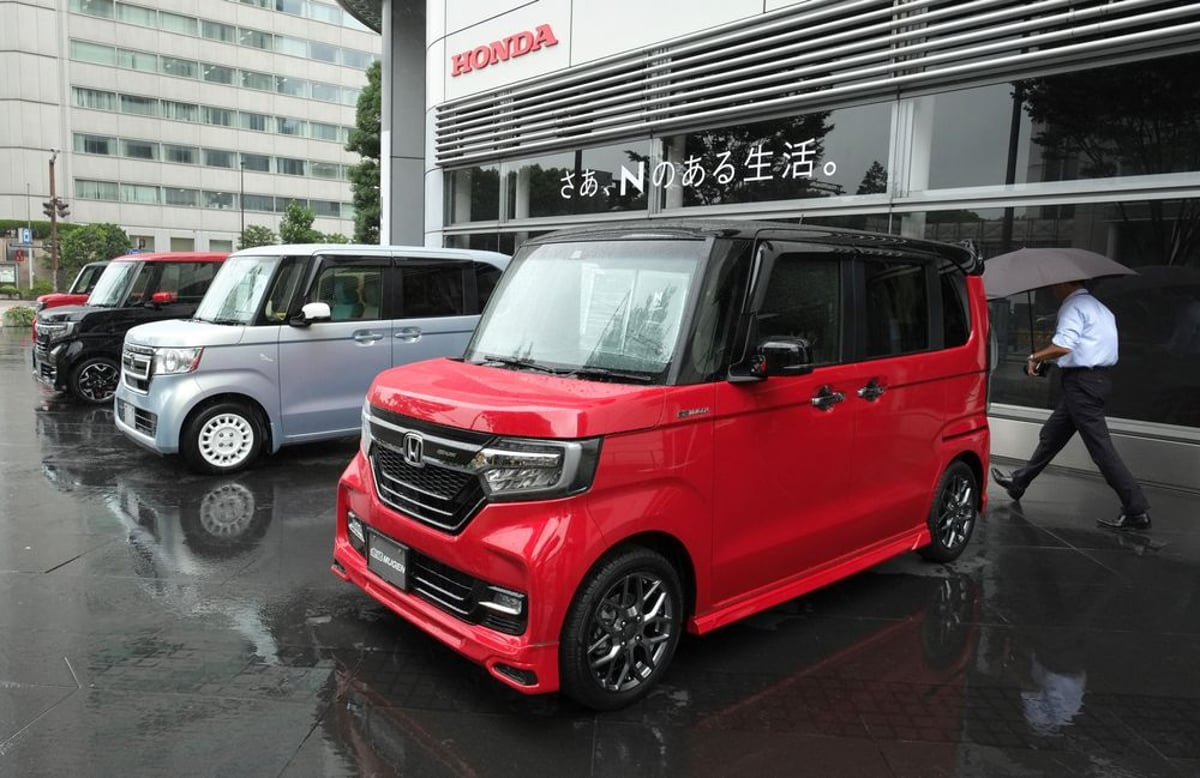
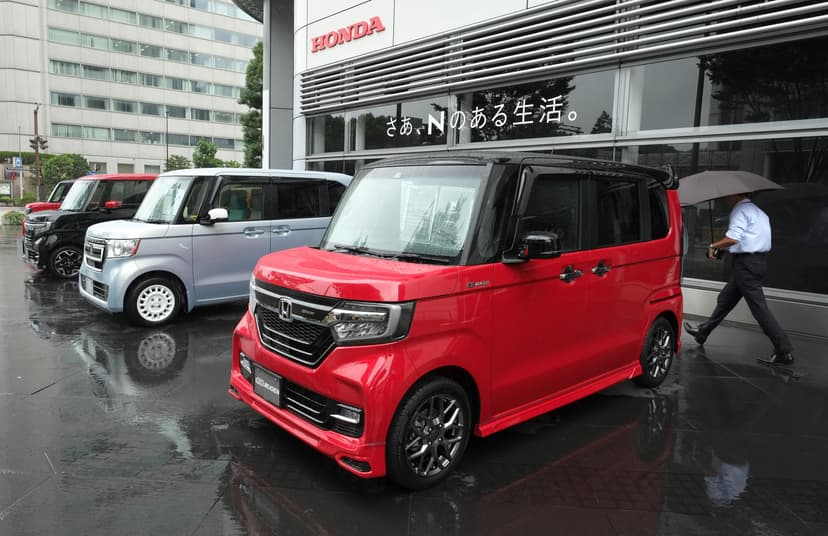
President Donald Trump just threw his weight behind Japan's tiny kei trucks, calling them 'really cute' while authorizing the Transportation Department to clear regulatory hurdles for US production. The surprise endorsement came during a briefing focused on rolling back fuel economy standards, potentially opening American roads to vehicles that represent the exact opposite of our SUV-obsessed car culture.
The White House briefing was supposed to be about gutting Biden-era fuel economy rules. Instead, President Trump found himself gushing over Japan's diminutive kei trucks. 'They're very small. They're really cute,' Trump told reporters, comparing the pint-sized vehicles to the classic Volkswagen Beetle. 'And I said, how would that do in this country? And everyone seems to think, good, but you're not allowed to build them.' Within minutes, Trump was directing Transportation Secretary Sean Duffy to 'immediately approve the production of those cars.' The regulatory reality is more complex than Trump's enthusiasm suggests. Current federal rules create a 25-year import restriction for kei vehicles, while state laws around registration and road legality remain a patchwork. These trucks would still need to meet Federal Motor Vehicle Safety Standards covering everything from steering wheel placement to weight limits. But Duffy seemed confident the path was clear. 'He gave me the directive to clear the regulations on this, which we have,' the Transportation Secretary announced. 'And so if Toyota or any other company wants to make smaller, more affordable cars, fuel efficient, we have cleared the deck so they can make them in America and sell them in America.' The timing couldn't be more ironic. While Trump's broader agenda involves rolling back environmental regulations, kei trucks represent the antithesis of America's gas-guzzling truck culture. These vehicles, known as 'keitora' meaning 'light truck,' operate under Japan's strict size and engine limitations, maxing out at 660cc engines and specific dimensional constraints. Yet they're finding an unlikely American audience. According to data cited by CNN, kei truck imports tripled over the past five years, with around 7,500 arriving in 2024 alone. Social media has amplified the trend, with kei truck enthusiasts on Instagram building communities around these micro-vehicles, selling merchandise and sharing memes with tens of thousands of followers. The vehicles offer a stark contrast to the bloated SUVs and pickup trucks that dominate American roads. But whether Americans would actually buy new kei trucks remains questionable. Their appeal largely stems from novelty and practicality for specific use cases, not mainstream transportation needs. Many states already allow low-speed vehicles like golf carts on certain roads, potentially creating regulatory pathways for kei trucks even without federal changes. The challenge will be convincing manufacturers like Toyota or Honda to invest in US production facilities for what remains a niche market. American buyers have consistently gravitated toward larger vehicles, driven by cheap gas and cultural preferences for size and power. A USDOT spokesperson didn't immediately clarify what specific regulatory changes Trump authorized, leaving industry observers wondering about the practical implications. The announcement coincided with Trump's broader push to eliminate strict fuel efficiency standards implemented during the Biden administration, creating a curious juxtaposition between deregulation and embracing ultra-efficient vehicles.
Trump's unexpected endorsement of kei trucks highlights the complex intersection of regulation, consumer preferences, and environmental policy. While the president's directive to clear regulatory barriers sounds decisive, the practical challenges of bringing these vehicles to American roads - and convincing Americans to buy them - remain significant. The real test will be whether automakers see enough market potential to invest in US production, or if this remains another policy announcement that fades without meaningful industry response.