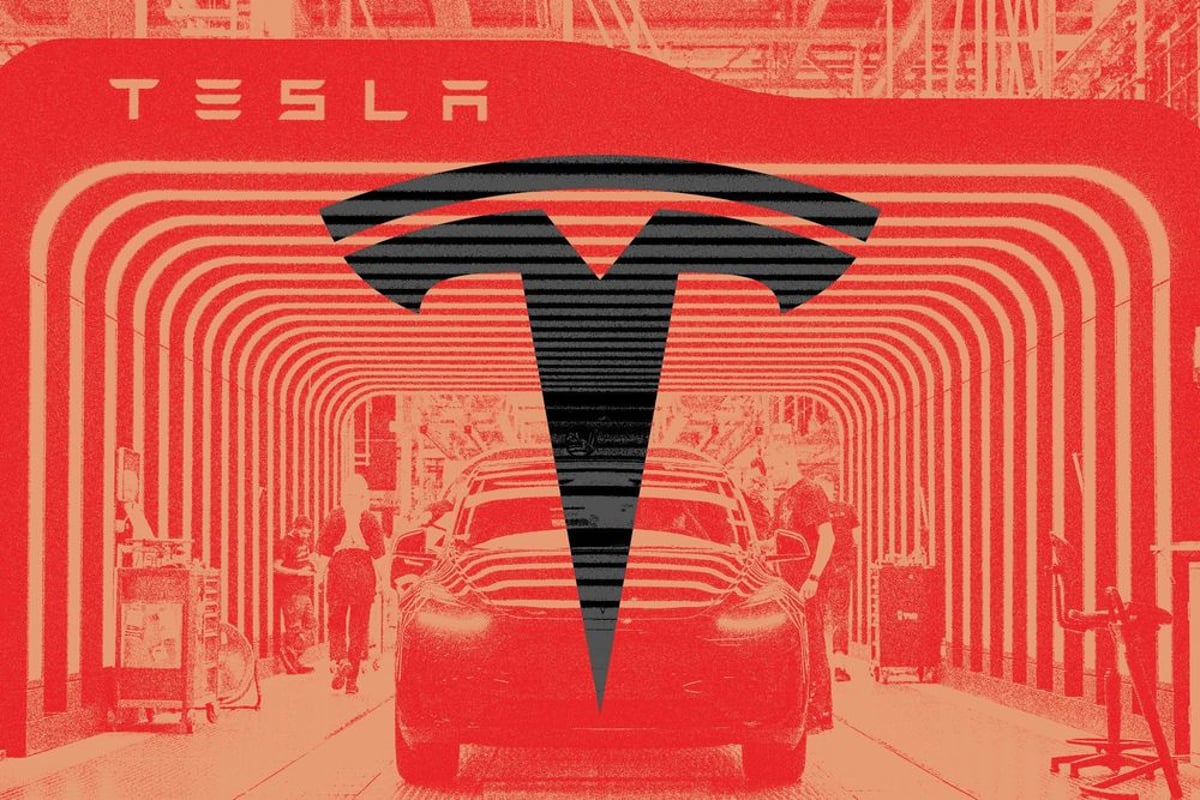
Tesla faces a federal investigation after NHTSA discovered the company was reporting Autopilot and Full Self-Driving crashes months late instead of within the required five-day window. With Tesla accounting for 40 of 43 fatal autonomous driving crashes since 2021, the timing violations raise fresh questions about transparency in the company's ambitious self-driving program.
Tesla is scrambling to explain systematic delays in reporting crashes involving its Autopilot and Full Self-Driving technology, with federal regulators now launching a formal investigation into the company's compliance practices. The National Highway Traffic Safety Administration revealed that Tesla was taking "several months or more" to report incidents that should be disclosed within five days, according to agency statements.
The timing couldn't be worse for Tesla as the company pushes to expand its Full Self-Driving capabilities nationwide. NHTSA data shows Tesla has reported over 2,300 crashes since federal reporting requirements began in 2021, representing the vast majority of autonomous driving incidents. More troubling for the company, Tesla vehicles accounted for 40 of the 43 fatal crashes reported under the Standing General Order, highlighting the stakes involved in accurate and timely reporting.
"The delays were the result of a problem with its data collection that has since been fixed," Tesla told NHTSA's Office of Defects Investigation, according to the agency. But regulators aren't taking the company's word for it. NHTSA is proceeding with a standard audit investigation "to ensure the company is doing everything by the book," signaling deeper scrutiny of Tesla's safety practices.
The federal reporting requirements stem from a 2021 standing general order that mandates automakers and robotaxi companies disclose crashes involving Level 2 driver-assist systems and fully autonomous vehicles. Under these rules, companies must document any collision where automated driving systems were active within 30 seconds of impact and report those incidents to federal authorities within one to five days.
Tesla's reporting delays stand in stark contrast to competitors like Alphabet's Waymo, which operates Level 4 autonomous vehicles that don't require human oversight. While Tesla's Autopilot and Full Self-Driving features remain Level 2 systems requiring constant driver attention, the company has been aggressively marketing expanded autonomous capabilities to consumers and investors.
The investigation adds regulatory pressure as Tesla faces mounting scrutiny over its autonomous driving claims. The company's stock has surged on promises of breakthrough self-driving technology, but safety advocates have long questioned whether Tesla's approach adequately protects public safety. The crash reporting delays suggest potential gaps in the company's safety oversight systems at a critical moment for the industry.
Industry experts note the investigation could impact Tesla's ambitious timeline for fully autonomous vehicles. "Regulatory compliance isn't just about following rules – it's about demonstrating the systematic safety culture needed for autonomous driving approval," explained one former NHTSA official who requested anonymity. The agency's willingness to investigate despite Tesla's claimed fix suggests deeper concerns about the company's safety processes.
The timing is particularly sensitive as NHTSA proposed revising crash reporting requirements earlier this year, potentially reducing some disclosure obligations. Tesla's compliance issues could influence whether regulators tighten rather than loosen oversight of autonomous driving technology.
For Tesla investors and customers alike, the investigation represents another test of the company's ability to navigate the complex regulatory landscape surrounding autonomous vehicles. While Tesla maintains its data collection issues are resolved, NHTSA's decision to proceed with a formal audit suggests regulators want concrete evidence of improved compliance before closing the matter.
Tesla's crash reporting delays expose the growing tension between the company's ambitious autonomous driving timeline and regulatory compliance requirements. As NHTSA proceeds with its investigation, the outcome could significantly influence both Tesla's path to full self-driving approval and broader industry standards for autonomous vehicle safety oversight. For a company betting its future on AI-powered transportation, demonstrating reliable safety practices isn't just regulatory necessity – it's existential for maintaining public and investor confidence in Tesla's autonomous driving vision.