Toyota just shifted into high gear on startup investments, committing $1.5 billion to bet on the next generation of mobility companies. The Japanese automaker created Toyota Invention Partners with $670 million for early-stage deals while pumping another $800 million into its growth-stage arm Woven Capital. It's the biggest startup ecosystem play by a traditional automaker as the industry races to keep up with tech-driven disruption.
Toyota isn't waiting for the next Tesla to emerge – it's trying to create one. The Japanese automaker just announced a massive $1.5 billion commitment to startup investments that spans the entire company lifecycle, from garage-stage inventions to unicorn-bound growth companies. It's the boldest move yet by a traditional automaker to stay ahead of the tech disruption reshaping transportation.
The investment blitz comes as automakers face mounting pressure from software-first companies like Tesla and Chinese EV makers who've built their businesses around rapid innovation cycles. While Detroit's Big Three have struggled with multi-billion dollar losses on electric vehicles, Toyota is taking a different approach – betting that the next breakthrough might come from an unexpected startup rather than its own R&D labs.
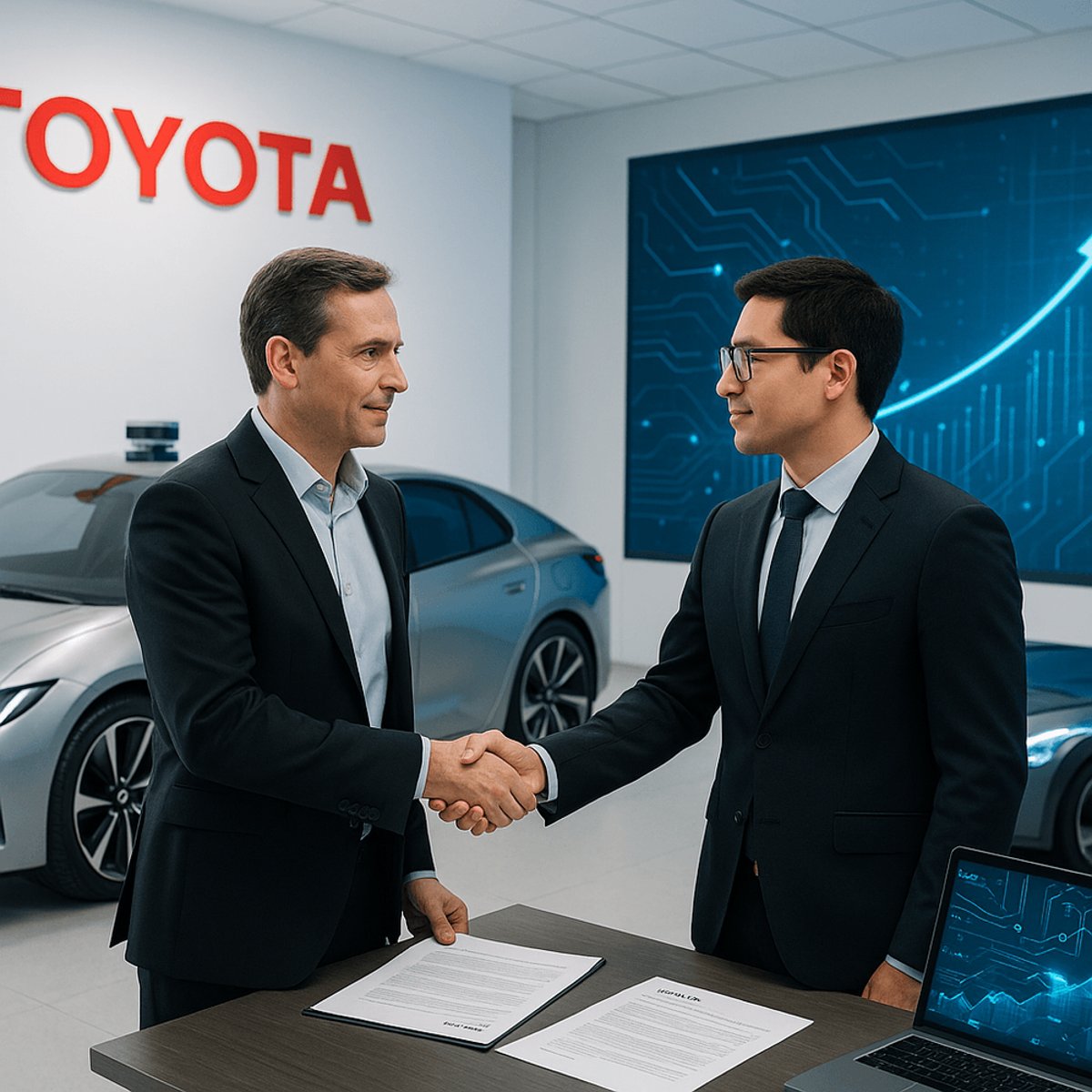
"Toyota Invention Partners is really a bookend to our other investment organizations," Woven Capital general partner George Kellerman told TechCrunch. The new entity will focus on the earliest stages of innovation, while Woven Capital continues funding growth-stage companies that are closer to commercial scale.
Toyota Invention Partners launches with approximately $670 million in capital, making it one of the largest corporate venture funds focused on early-stage mobility tech. The timing couldn't be more crucial – the automotive industry is simultaneously grappling with the transition to electric vehicles, the development of autonomous driving systems, and the integration of AI throughout the transportation stack.
Meanwhile, Woven Capital – Toyota's existing growth-stage venture arm – just closed its second fund with $800 million in fresh capital. The fund has already backed companies across autonomous driving, mobility services, and transportation infrastructure. Its portfolio includes investments in companies developing everything from autonomous trucking platforms to urban air mobility solutions.
The dual-fund approach reflects Toyota's recognition that breakthrough transportation technologies can emerge at any stage of development. While traditional automakers typically focus on acquiring mature technologies or partnering with established suppliers, Toyota's strategy casts a much wider net.
This comes as venture funding in mobility and transportation startups has seen dramatic swings. After peaking during the 2021 funding boom, investment in the sector cooled significantly through 2022 and 2023. But 2024 has shown signs of recovery, with renewed interest in practical applications of autonomous driving, electric vehicle infrastructure, and logistics automation.
The move also positions Toyota ahead of its traditional competitors in the startup investment game. While General Motors operates GM Ventures and Ford has Ford Motor Company Fund, neither has committed capital at Toyota's scale. The Japanese automaker's $1.5 billion commitment dwarfs most corporate venture efforts in the automotive space.
Toyota's investment strategy comes at a particularly interesting moment for the broader automotive industry. The recent expiration of the $7,500 federal EV tax credit has already started impacting sales patterns, with companies like Tesla posting record deliveries in Q3 2024 as consumers rushed to beat the deadline. But the post-incentive landscape remains uncertain, making Toyota's bet on startup innovation all the more strategic.
The automaker's approach also reflects lessons learned from the tech industry's disruption of transportation over the past decade. Companies like Uber and Amazon fundamentally changed how people think about mobility and logistics, often starting as small startups before scale hundreds of billions in market value.
For startups in the mobility space, Toyota's expanded investment presence could be a game-changer. The company brings not just capital but also manufacturing expertise, global supply chain relationships, and regulatory knowledge that pure financial investors can't match. That combination of resources could help promising startups navigate the notoriously complex automotive industry more effectively.
The investment announcement comes as other parts of the mobility ecosystem face headwinds. The Department of Energy recently canceled $7.56 billion worth of clean energy projects, creating uncertainty about government support for transportation innovation. Toyota's private capital commitment provides an alternative funding source that's insulated from political shifts.
Toyota's $1.5 billion startup investment commitment signals a fundamental shift in how traditional automakers are approaching innovation. Rather than relying solely on internal R&D or established supplier relationships, the Japanese giant is betting that the next transportation breakthrough will come from the startup ecosystem. For entrepreneurs building mobility solutions, Toyota just became one of the most important potential partners in the space – offering not just capital but the manufacturing and market expertise needed to scale breakthrough technologies into global products.